
Post-Storm Recovery: Restoring Your Landscape with Care
Southwest Florida is no stranger to tropical storms and hurricanes. When severe weather strikes, our homes and communities take the brunt of the impact—and our landscapes are often among the first to show signs of damage. From downed trees and broken branches to flooded lawns and shredded shrubs, a storm can leave your carefully maintained outdoor space looking unrecognizable.
At Estate Landscaping, we understand how important it is to get your property back to normal quickly and safely. Our post-storm response teams specialize in efficient landscape cleanup after storms, ensuring your community recovers with minimal disruption and long-term damage. With proper care, many damaged landscapes can bounce back better than before.

First Steps: Prioritizing Safety and Assessment
Before any cleanup begins, we always prioritize safety. Fallen branches, unstable trees, and flooded zones can pose serious hazards. Once the area is safe to enter, our team conducts a full property inspection to assess the extent of the damage.
We look for:
- Broken limbs or uprooted trees
- Soil erosion and drainage issues
- Turf damage from standing water
- Structural harm to landscape features
- Uprooted or defoliated shrubs and beds
A clear understanding of what’s been affected allows us to build a customized, efficient plan for restoration—tailored to the needs of your community.
Efficient Landscape Cleanup After Storms
Fast action is essential after severe weather, especially in shared spaces where debris poses a risk to residents or blocks access.
Our approach to efficient landscape cleanup after storms includes:
1. Debris Removal and Sorting
We start by clearing branches, palm fronds, and other fallen material from walkways, driveways, and open areas. Debris is sorted for chipping, hauling, or municipal pickup, depending on volume and local guidelines.
2. Tree and Limb Stabilization
Leaning or damaged trees may be salvageable with pruning or support staking. Our arbor care specialists determine whether a tree can be saved or if it poses a long-term hazard.
3. Turf and Bed Clean-Up
Leaves and organic material left on turf can suffocate grass and cause fungal problems. We carefully remove debris without compacting soil or causing further injury to recovering lawns.
4. Drainage Assessment
Storms can alter drainage patterns, leading to pooling and washouts. We evaluate slopes, downspouts, and grading to ensure your landscape isn’t left vulnerable to erosion or future flooding.
Swift cleanup not only restores order—it sets the stage for full recovery and regrowth in the weeks to come.
Restoring Damaged Plants and Trees
After a storm, not all damage is permanent. Many trees, shrubs, and perennials can be saved with the right combination of pruning, support, and follow-up care.
Here’s how we approach restoring damaged plants and trees:
1. Strategic Pruning
We remove broken, hanging, or split branches using clean cuts that promote healing. For shrubs and perennials, we trim back torn foliage and assess whether regrowth is likely from the base.
2. Staking and Bracing
Trees that are partially uprooted or leaning may be able to recover with proper support. We install professional-grade staking systems to stabilize trees while their roots reestablish.
3. Fertilization and Soil Treatment
Storms often strip nutrients from the soil. We apply restorative fertilizers and soil amendments to encourage new root development and plant recovery.
4. Irrigation System Checks
We inspect irrigation systems to ensure they weren’t damaged during the storm and that watering schedules are aligned with the needs of stressed or recovering plants.
By taking a plant-by-plant approach, we help preserve your landscape investment and avoid unnecessary replacements.
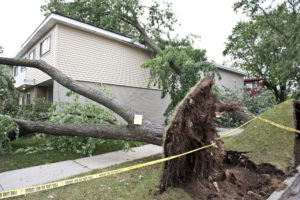
Post-Storm Debris Removal Strategies for HOAs and Communities
In residential and HOA-managed properties, storm debris can quickly overwhelm common areas and frustrate residents. Having a proactive, organized strategy for post-storm debris removal makes a significant difference in cleanup efficiency and resident satisfaction.
Here’s how we manage debris removal on a larger scale:
- Prioritize access points and community entrances first
- Coordinate with local waste management for debris hauling schedules and staging areas
- Use commercial-grade equipment to safely remove large limbs or stumps
- Chip and mulch suitable debris for eco-friendly reuse where applicable
- Communicate with property managers to keep residents informed throughout the process
We also provide documentation and photos for HOA boards or insurance claims, offering transparency and accountability during the recovery process.
Reviving Lawns and Gardens After Severe Weather
While trees and shrubs show immediate signs of storm stress, lawns and gardens often suffer more subtly—but just as significantly.
Storm-related issues like compaction, erosion, standing water, and salinity from coastal flooding can take a toll on root health and turf performance. Here’s how we support reviving lawns and gardens after severe weather:
1. Aeration and Soil Repair
To restore oxygen flow to roots, we often perform core aeration, especially in compacted or flooded areas. This allows better water infiltration and supports microbial recovery.
2. Overseeding and Turf Repair
For heavily damaged or thinned-out lawns, we recommend overseeding with drought- and disease-resistant turf varieties. This boosts density and helps turf outcompete weeds in the recovery phase.
3. Replanting Seasonal Beds
In annual beds, we remove any unsalvageable plant material and refresh the soil before installing new seasonal color or groundcover suited to post-storm conditions.
4. Monitoring for Fungus and Pests
Storm-stressed turf and plants are more vulnerable to fungal outbreaks and pest infestations. We monitor your landscape closely and apply preventative treatments as needed to protect recovering areas.
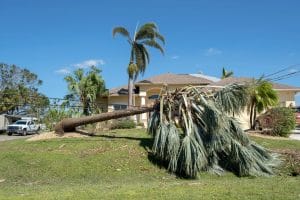
Partnering with Estate Landscaping for Post-Storm Recovery
At Estate Landscaping, we don’t just respond—we restore. Our team is experienced in managing storm recovery across HOA communities, commercial landscapes, and large residential properties throughout Southwest Florida.
When storms hit, we’re ready with:
- Trained emergency response crews
- Professional-grade debris removal and pruning equipment
- ISA-certified arborists for tree evaluation and recovery
- Irrigation and soil experts for turf and garden restoration
- Clear communication with property managers and HOA boards
We’re not just cleaning up—we’re helping your landscape bounce back stronger, safer, and more beautiful than before.
Need Help Restoring Your Landscape After a Storm?
Let us help you bring calm back after the storm. From cleanup to recovery and beyond, Estate Landscaping is your trusted partner in landscape restoration and long-term care.
📞 Call us now at 239-498-1187 or contact us online to schedule your post-storm landscape assessment. Let’s get your property back on solid ground—quickly, carefully, and with expert care.
Receive a Free Consultation!
Related Posts

Top 5 Reasons to Hire an Arborist
There are few things more important to the environment than trees. They convert carbon dioxide to oxygen and act as a home for various creatures. However, they are equally as valuable to your landscape. Trees create privacy by blocking off your property from view and increasing property value as they mature. They are a sure […]
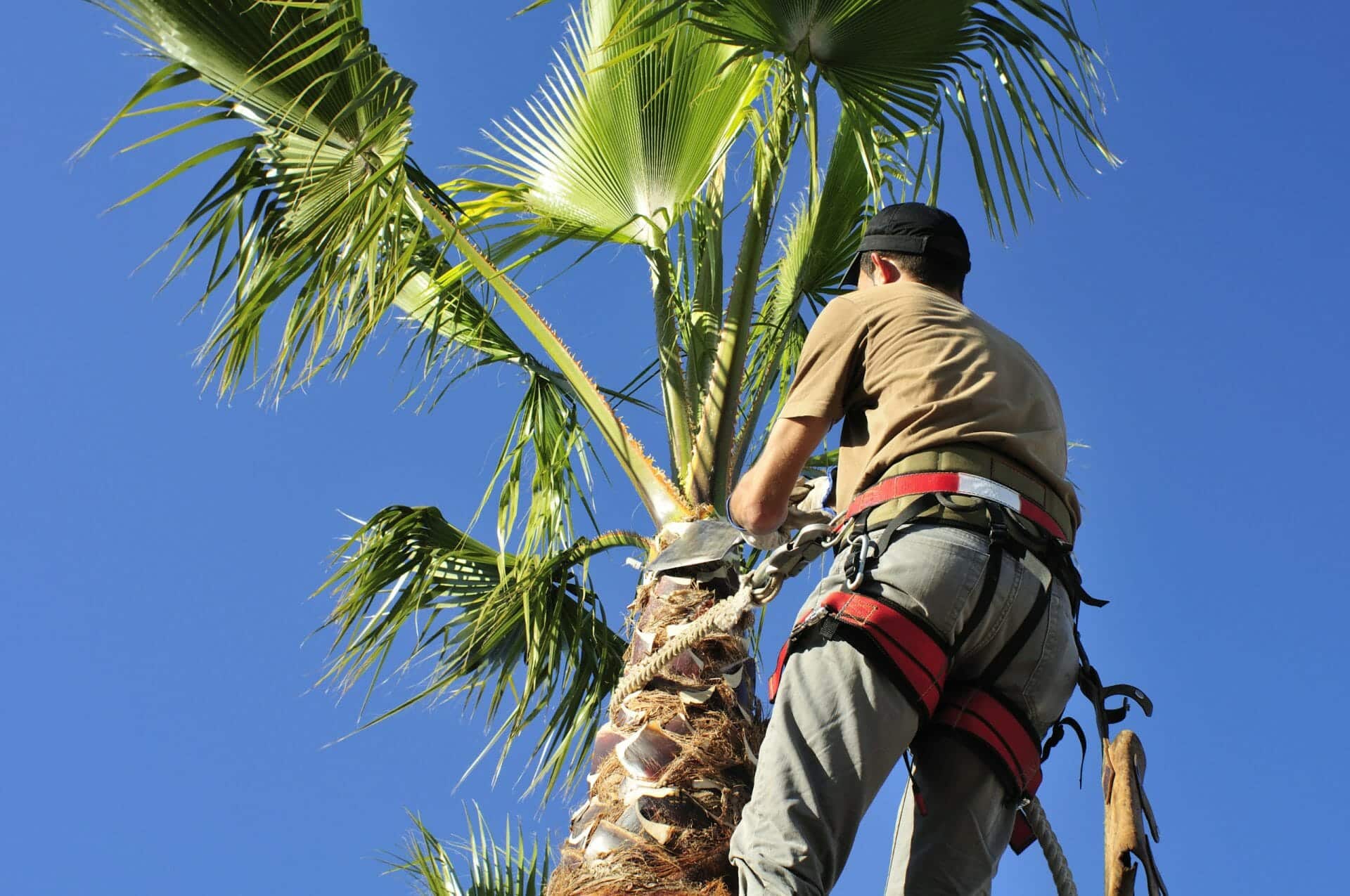
Shopping on Tree Pruning Services is Pointless
Shopping for price only can get you into trouble. The trees that sit across your property are vital to the look, feel, and value of your property. Mature trees are considered great amenities, as they provide shade, structure, and privacy to your landscape. Trees are also extremely sustainable, as they are a home for wildlife, […]

A Fresh Fall Refresh: Long-Lasting Color That Carries Into “Season”
In Southwest Florida, fall doesn’t bring dormancy—it brings opportunity. As temperatures begin to moderate and humidity levels shift, landscapes enter one of the most visually important times of the year. For HOA communities, fall is the gateway into “season,” when residents return, guests arrive, and curb appeal takes center stage. At Estate Landscaping, we see […]
