
Welcoming Wildlife, Managing Risk: Bird and Butterfly Friendly Landscaping for Communities
In Southwest Florida, wildlife is part of everyday life. Birds, butterflies, and beneficial pollinators add movement, color, and seasonal interest to HOA landscapes. When designed thoughtfully, wildlife-friendly spaces enhance community character and resident enjoyment.
However, inviting nature into shared spaces must be done responsibly. Poorly planned habitats can create maintenance challenges, obstruct sightlines, or conflict with HOA standards.
At Estate Landscaping, we believe it’s possible to balance beauty and structure. Through strategic wildlife-friendly landscaping, communities can support birds and butterflies while maintaining safety, visibility, and professional presentation.
Nature should enhance your property—not complicate it.
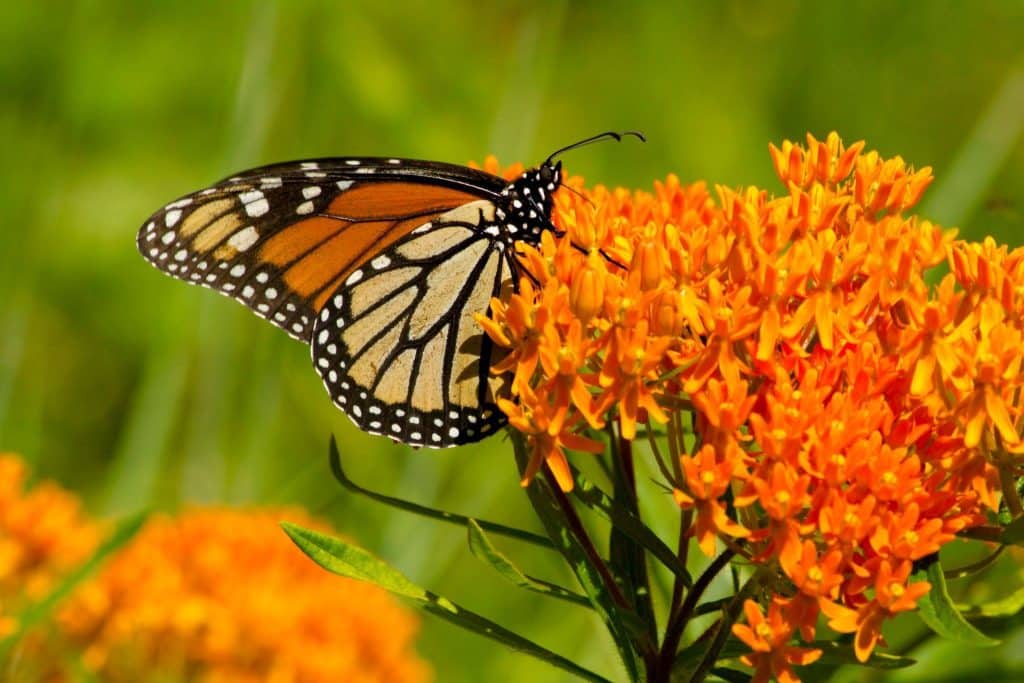

Why Wildlife-Friendly Landscaping Appeals to Residents
Creating Connection Without Sacrificing Order
Residents increasingly appreciate natural touches within their communities. Well-designed bird and butterfly gardens provide:
- Seasonal color and movement
- Educational opportunities for families
- Increased pollinator activity
- Enhanced visual diversity
When properly integrated, these elements add vibrancy without appearing unmanaged.
The Importance of Low-Risk Habitat Design
Avoiding Overgrowth and Obstruction
Inviting wildlife does not mean allowing uncontrolled growth. Low-risk habitat design ensures plantings remain structured and intentional.
Key considerations include:
- Maintaining clear sightlines near walkways and intersections
- Avoiding dense shrub clusters that create blind spots
- Preserving vertical clearance near pathways
- Keeping signage and lighting unobstructed
Wildlife-friendly landscapes should still prioritize safety and navigation.
Choosing Florida-Friendly Plants That Support Pollinators
Plant Selection Matters
Not all plants attract wildlife equally, and not all wildlife-supporting plants are appropriate for HOA settings. Selecting Florida-friendly plants designed for structured beds ensures both durability and visual consistency.
The right plant material should:
- Provide nectar or habitat value
- Thrive in Florida’s heat and rainfall
- Require manageable pruning
- Maintain tidy growth habits
Thoughtful selection reduces maintenance burdens while supporting biodiversity.
Designing Bird and Butterfly Gardens for HOA Settings
Focus on Defined Spaces
Rather than scattering wildlife plantings throughout the property, it is often more effective to designate specific areas for habitat-focused design.
These areas may include:
- Clubhouse garden spaces
- Pond perimeters with stable slopes
- Amenity borders
- Entry feature beds with layered plantings
Defined spaces create impact while maintaining order across the broader landscape.
Managing Maintenance Expectations
Structured Pruning and Monitoring
Wildlife-supporting plants must still be pruned and monitored regularly. Without structure, even beneficial gardens can become overgrown.
Routine maintenance ensures:
- Clear bed edges
- Controlled plant height
- Consistent bloom cycles
- Healthy, pest-resistant growth
Because Florida landscapes grow year-round, ongoing oversight is essential.
Avoiding Common Habitat Mistakes
Standing Water and Mosquito Risk
Water features and poorly drained areas can attract unwanted pests. Proper drainage management and irrigation calibration prevent habitat areas from becoming mosquito breeding zones.
Maintaining stable soil and preventing runoff protects both plant health and resident comfort.
Supporting Community Nature Engagement
Educational and Visual Benefits
When thoughtfully designed, wildlife-friendly spaces can serve as quiet points of interest within the community. Informational signage, visible pollinator activity, and seasonal blooms enhance community nature engagement.
Residents benefit from:
- A stronger sense of place
- Increased outdoor enjoyment
- Greater environmental awareness
- Pride in responsible landscape management
These spaces encourage appreciation without overwhelming maintenance teams.
Balancing Biodiversity With HOA Standards
HOA landscapes must maintain a polished, cohesive look. Wildlife-focused plantings should blend seamlessly into the overall design rather than appear disconnected.
This balance is achieved through:
- Coordinated plant palettes
- Consistent mulch and edging
- Proper spacing
- Clear transitions between habitat areas and turf
A unified design keeps the property looking intentional.
Integrating Habitat Into Larger Landscape Strategy
Wildlife-friendly areas should complement existing turf, tree, and shrub management programs. Coordination between irrigation, fertilization, and pest monitoring ensures habitat plants remain healthy without overconsumption of resources.
An integrated approach supports:
- Efficient water use
- Reduced chemical dependency
- Improved soil health
- Long-term plant stability
Sustainability and structure can coexist.

Protecting Liability and Safety
Even the most beautiful butterfly garden must maintain safe access routes and visibility. Plant height and placement should never compromise pedestrian safety or emergency access.
Low-risk habitat design always includes:
- Clear pathways
- Maintained lighting visibility
- Proper tree canopy clearance
- Controlled hedge growth
Safety remains the foundation of successful landscape planning.
Why Professional Oversight Matters
Designing wildlife-friendly landscapes in HOA communities requires careful balance. Without expertise, these spaces can quickly shift from attractive to unmanageable.
At Estate Landscaping, we create structured habitat areas that support birds and butterflies while maintaining HOA standards for appearance and safety. Our approach ensures plantings remain intentional, well-maintained, and aligned with long-term management goals.
Because welcoming nature should strengthen your landscape—not complicate it.
Let’s Create a Community That Thrives Naturally
If your HOA is interested in incorporating bird- and butterfly-friendly spaces while maintaining structure and safety, we’re here to help.
📞 Call Estate Landscaping at 239-498-1187 or visit our Contact Us page to explore wildlife-friendly landscape options tailored to your community.
Let’s design outdoor spaces that welcome nature, enhance curb appeal, and support a thriving, well-managed community.
Receive a Free Consultation!
Related Posts

Choosing the Best Landscape Maintenance Company
As a member of an HOA board or owner of a large commercial property that oversees property maintenance for one of the many respected properties in the area, you have a lot of factors to consider when choosing a company to maintain your property. You must understand the ins and outs of each company vying […]

Feeding Trees and Palms for Stronger Growth Through the Cooler Months
In Southwest Florida, trees and palms never truly go dormant—but their growth patterns do shift as temperatures moderate. The cooler months present a critical opportunity to strengthen root systems, correct nutrient deficiencies, and prepare canopies for the year ahead. For HOA communities, healthy trees and palms are more than landscape features. They define entrances, frame […]

4 Signs You Have Landscape Drainage Issues
Water is a great thing for your landscape, right? It is an essential nutrient that every single plant on planet earth needs to survive and grow. While this is true, you know the old saying, “everything in moderation.” Too much water can be bad for your landscape, possibly even drastic. Due to the tropical climate […]
