
Feeding Trees and Palms for Stronger Growth Through the Cooler Months
In Southwest Florida, trees and palms never truly go dormant—but their growth patterns do shift as temperatures moderate. The cooler months present a critical opportunity to strengthen root systems, correct nutrient deficiencies, and prepare canopies for the year ahead.
For HOA communities, healthy trees and palms are more than landscape features. They define entrances, frame roadways, and create the mature, tropical character residents expect. A proactive tree and palm fertilization strategy during this period supports long-term performance and visual consistency across the property.
At Estate Landscaping, we view seasonal nutrition as an investment in stability. Proper feeding now reduces decline, storm vulnerability, and costly replacements later.
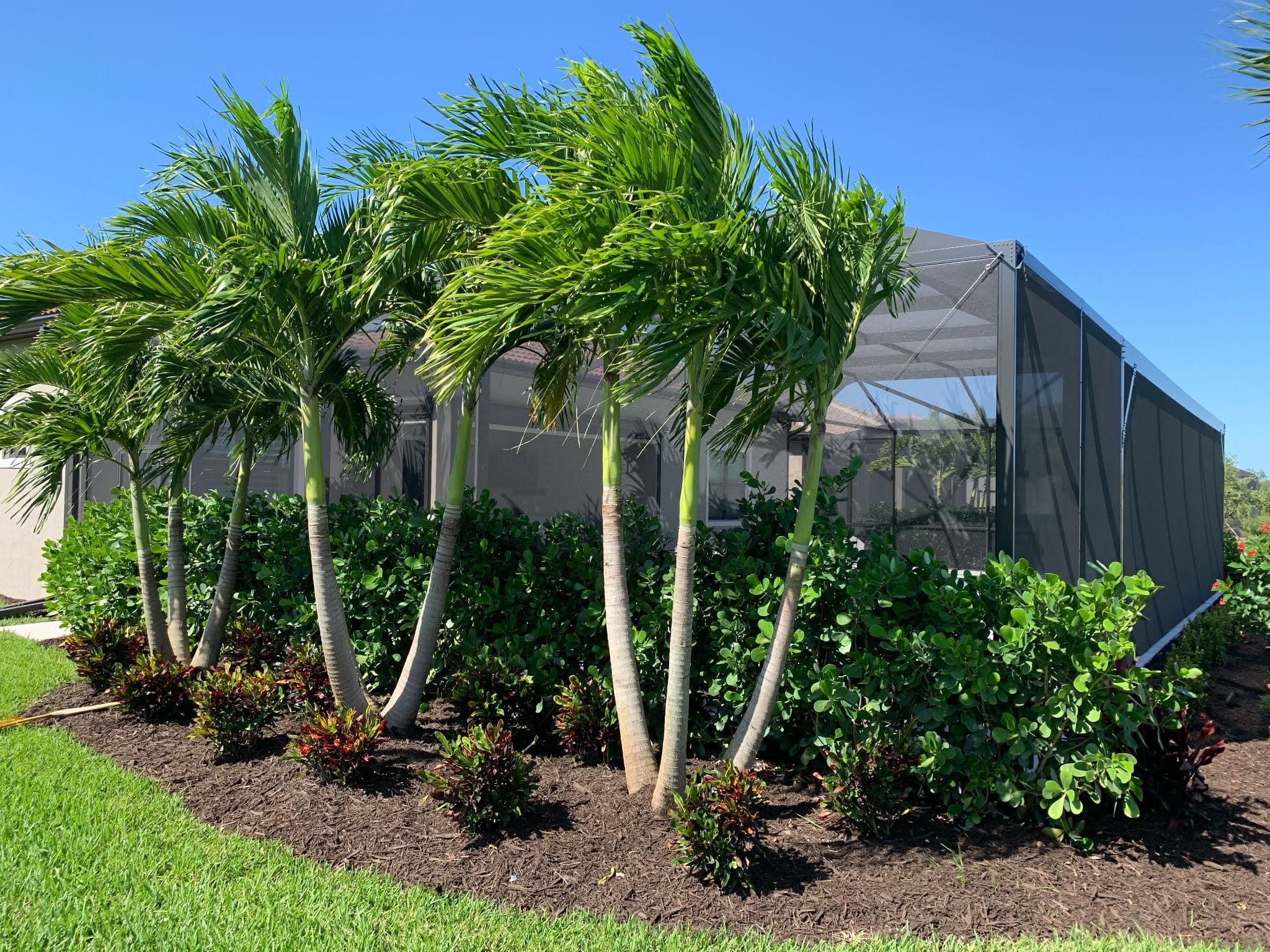
Why Fertilization Timing Matters in Florida
Growth Slows, But Roots Stay Active
Even as air temperatures cool slightly, soil temperatures in Florida remain warm enough to support root activity. This makes the cooler months ideal for targeted nutrition.
Strategic fertilization during this period:
- Strengthens root systems
- Improves nutrient storage
- Supports canopy density
- Enhances resilience before spring growth
Rather than pushing rapid top growth, this timing supports structural health.
Understanding Florida Tree Nutrition Needs
Sandy Soils Require Support
Southwest Florida’s sandy soils drain quickly and often lack the nutrients trees and palms require for sustained health. Heavy rainfall throughout the year further leaches essential elements from the soil.
A well-designed Florida tree nutrition program addresses:
- Macronutrient balance (nitrogen, potassium, phosphorus)
- Micronutrient supplementation
- Soil absorption efficiency
- Root-zone health
Without consistent feeding, deficiencies can gradually appear.
Common Nutrient Deficiencies in Trees and Palms
Signs of Imbalance
Palms in particular are highly sensitive to nutrient deficiencies. Yellowing fronds, frizzle top, or stunted growth often indicate imbalance.
Watch for:
- Discolored or streaked palm fronds
- Sparse canopy development
- Premature leaf drop in trees
- Reduced flowering or fruiting
Early correction prevents structural weakening.
Nutrient Programs for Palms: A Specialized Approach
Why Palms Require Unique Care
Palms differ from traditional hardwood trees. Their nutrient requirements and absorption patterns demand specialized nutrient programs for palms.
Effective palm fertilization focuses on:
- Slow-release nutrient blends
- Balanced potassium levels
- Magnesium and micronutrient support
- Proper application timing
Because palms cannot repair damaged fronds, prevention is key.
Pre-Winter Fertilization for Long-Term Strength
Preparing for Seasonal Transitions
Although Florida doesn’t experience frost in our region, environmental conditions still fluctuate. A structured pre-winter fertilization plan prepares trees and palms for seasonal shifts without overstimulating growth.
Benefits include:
- Improved root anchoring
- Stronger canopy structure
- Reduced stress heading into spring
- Enhanced resistance to pests and disease
Nutrition supports resilience year-round.
Supporting Long-Term Tree Health
Strengthening Structural Integrity
Trees with balanced nutrient levels develop stronger branch structure and denser canopies. This improves both aesthetics and storm resilience.
Healthy trees are less likely to experience:
- Limb breakage
- Premature leaf drop
- Stress-related pest attraction
- Uneven canopy growth
Long-term health begins below the surface.
Coordinating Fertilization With Overall Maintenance
Tree and palm fertilization should not occur in isolation. It must align with irrigation management, pruning schedules, and soil conditions.
An integrated approach ensures:
- Nutrients are absorbed effectively
- Irrigation supports root uptake
- Structural pruning complements growth
- Soil compaction does not limit performance
Holistic planning produces stronger results.
The Financial Value of Preventative Nutrition
Replacing mature trees or palms is costly—not only financially, but visually. Proactive feeding programs reduce the risk of decline that leads to removal and replanting.
For HOA communities, consistent nutrition provides:
- Predictable maintenance budgeting
- Improved canopy longevity
- Reduced emergency arbor work
- Stronger property presentation
Preventative care is far more efficient than reactive replacement.
Monitoring Results Over Time
Fertilization is not a one-time application—it is part of an ongoing health strategy. Monitoring canopy density, frond color, and new growth patterns ensures the program remains effective.
Routine evaluations allow adjustments based on:
- Soil conditions
- Seasonal growth patterns
- Irrigation performance
- Observed deficiencies
Data-driven oversight keeps trees and palms thriving.

Why Professional Oversight Makes the Difference
Improper fertilization can do more harm than good. Over-application may stimulate weak growth, while incorrect nutrient ratios fail to address deficiencies.
At Estate Landscaping, our team develops customized tree and palm fertilization programs tailored to each property’s soil conditions and plant inventory. We focus on balanced nutrition that supports long-term stability—not temporary visual boosts.
Because healthy trees and palms anchor the identity of your community.
Let’s Strengthen Your Canopy for the Months Ahead
If your HOA trees or palms are showing signs of nutrient stress—or if you want to proactively strengthen them before the next growth cycle—now is the ideal time to act.
📞 Call Estate Landscaping at 239-498-1187 or visit our Contact Us page to schedule a tree and palm health evaluation.
Let’s feed your landscape the right way—so it stays strong, vibrant, and resilient year-round.
Receive a Free Consultation!
Related Posts

Shielding Your Landscape: Effective Pest Management Strategies
In Florida’s year-round growing climate, landscape pests don’t take a season off—and neither do we. At Estate Landscaping, we know that safeguarding your community’s curb appeal means staying one step ahead of the insects and diseases that threaten your turf, trees, and shrubs. That’s why we take a comprehensive, science-based approach to pest control. With […]

Cold Weather and Landscaping: How to Protect Your Property and Address Common Challenges
Southwest Florida may be known for its warm, tropical climate, but even here, cold weather can bring unique challenges to your commercial landscape. When temperatures dip into the 40s or lower, the effects on your turf and tropical plants can be significant. Cold stress, dormant weeds, and irrigation confusion are just a few of the […]

STOP: Signs of Over Mulching Your Property
When it comes to mulching, the expression “too much of a good thing” applies. While mulch can be incredibly beneficial for your plant beds, if you apply too much, it can have harmful repercussions. We find that a lot of people are surprised to learn that over mulching is even possible. That’s why we’ve rounded […]
