
Embracing Eco-Friendly Pest Control in Landscaping: Safe and Sustainable Practices
In today’s environmentally conscious world, the shift towards eco-friendly pest control methods in landscaping is not just a trend; it’s a vital practice that promotes sustainability, safety, and the well-being of our planet. As we navigate the intricacies of maintaining lush, vibrant landscapes, the question of how to manage pests without harming the environment looms large. Eco-friendly pest control stands as the answer, offering a harmonious balance between effective pest management and environmental stewardship.
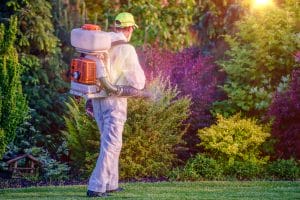

What is Eco-Friendly Pest Control?
Eco-friendly pest control refers to methods and practices that manage and reduce pests in landscaping without the use of harsh chemical pesticides. These practices prioritize the health of the ecosystem, aiming to minimize environmental impact while effectively controlling pest populations. By focusing on natural and biological controls, eco-friendly pest control supports biodiversity and promotes a balanced ecosystem where plants and wildlife can thrive.
Environmentally Friendly Pest Control Methods
Natural and Organic Pesticides
When chemical intervention is necessary, natural and organic pesticides offer a safer alternative to conventional chemicals. These products, derived from natural sources like plants, minerals, or bacteria, are designed to target specific pests with minimal impact on non-target species and the environment. Examples include neem oil, diatomaceous earth, and Bacillus thuringiensis (Bt).
Companion Planting
Companion planting involves strategically placing certain plants together to naturally deter pests. Some plants emit scents or chemicals that repel specific insects, while others attract beneficial insects that prey on pests. This method enhances biodiversity and contributes to a healthy, balanced landscape.
Soil Health
Healthy soil is the foundation of a healthy landscape. Enriching the soil with organic matter and maintaining a balanced soil ecosystem supports plant health, making them more resilient to pests. Practices such as composting, mulching, and using organic fertilizers enhance soil health and reduce the need for chemical interventions.

Looking for a Pest Control Service Provider Near You?
For those seeking eco-friendly pest control solutions, it’s essential to partner with landscaping and pest control professionals who prioritize environmental responsibility. Look for services that emphasize Insect Pest Management (IPM) services, use organic and natural products, and have a strong commitment to sustainability.
At Estate Landscaping, we’re dedicated to providing eco-friendly pest control options that safeguard the environment while ensuring your landscape thrives. Our team of experts employs a range of sustainable practices, from IPM to organic treatments, ensuring your outdoor space remains beautiful and pest-free without compromising the health of our planet.
Embrace the Future of Landscaping
Adopting eco-friendly pest control methods is more than a choice; it’s a commitment to preserving the beauty and health of our landscapes for future generations. By embracing sustainable practices, we not only protect our environment but also contribute to a safer, more vibrant world.
Ready to transform your landscape with eco-friendly pest control? Contact Estate at 239-498-1187 or visit our Contact Us page. Let’s work together to create a sustainable, beautiful outdoor space that you can be proud of.
Receive a Free Consultation!
Related Posts
Landscape Company Red Flags
Picture this; you walk out into your backyard and see an unkempt, unsightly area that you do not want to spend time in. You think to yourself “I should hire a landscape company to help me turn this place around.” However, if you aren’t experienced in working with landscape companies, this may be a tall […]
5 Landscaping Trends for your Commercial Property
Enhance with Local Nature and Exciting Colors Today’s world is obsessed with bright and eccentric colors and the landscape design industry is no exception. With the reportedly most popular plant color of 2020 being purple, you can expect landscape design teams to use both expected plants such as Sun Patients and Begonias in addition to […]

Stopping the Spread: Fall Pest Prevention Tactics
As the temperatures begin to dip—ever so slightly—in Southwest Florida, our landscapes shift into a new seasonal rhythm. But while fall brings relief from summer heat, it also invites a different kind of problem: pest pressure. Insects and plant-damaging critters remain active well into the cooler months, making preventing pest infestations during fall an essential […]
