
Cooling the Community: Shade Strategies for Hot Florida Properties
Florida heat is more than just a seasonal inconvenience—it directly impacts how residents experience their community. During warmer months, unshaded landscapes can feel uninviting, limit outdoor use, and increase stress on turf and plant material. For HOA communities, the challenge is creating outdoor spaces that remain comfortable and usable without overcomplicating maintenance or design standards.
At Estate Landscaping, we focus on smart, long-term shade strategies that cool communities naturally. By using thoughtful plant selection, proper placement, and proactive maintenance, we help HOAs create summer-ready landscapes that support resident comfort and long-term performance.
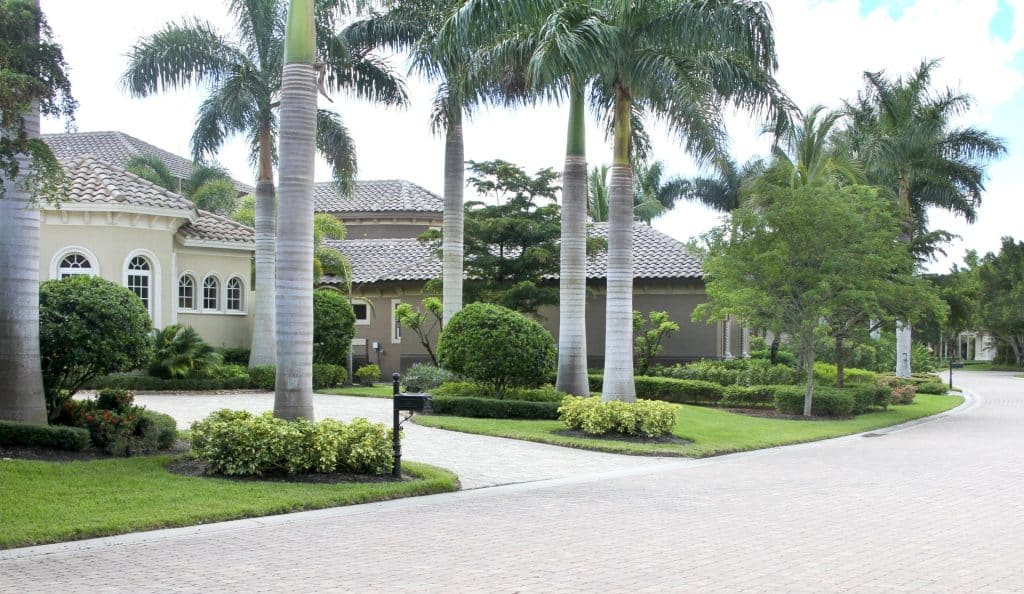
Why Shade Matters in Florida HOA Landscapes
Heat Impacts How Residents Use Outdoor Spaces
In Florida, heat doesn’t just affect comfort—it affects behavior. When landscapes lack shade, residents are less likely to walk, gather, or spend time outdoors. Common areas may look great, but if they’re uncomfortable to use, they miss their full potential.
Effective shade strategies help:
- Encourage outdoor activity
- Improve resident satisfaction
- Extend usability of common areas throughout the day
Shade is not a luxury—it’s a functional necessity.
Cooling the Landscape Naturally
Shade plays a key role in heat-mitigation landscaping. By reducing direct sun exposure, shaded areas stay cooler, retain moisture better, and place less stress on turf and plant material.
This natural cooling effect benefits:
- Residents and visitors
- Turf health and longevity
- Overall landscape appearance
Shade Trees Florida Communities Can Depend On
Trees as the Backbone of Shade Strategy
When it comes to long-term shade, nothing compares to well-placed trees. Shade trees in Florida provide broad canopy coverage while enhancing the structure and maturity of a landscape.
Strategic tree placement helps:
- Reduce surface temperatures
- Create comfortable walking and gathering zones
- Improve visual balance across open areas
Trees are an investment that pays off year after year.
Planning for Growth and Longevity
Effective shade planning looks beyond the present. Trees must be selected and placed with future growth in mind to avoid overcrowding or conflicts with surrounding landscapes.
Proper planning includes:
- Allowing adequate space for canopy expansion
- Considering sun patterns throughout the day
- Integrating trees into the overall landscape design
This ensures shade improves over time rather than creating future challenges.
Heat-Mitigation Landscaping Beyond Trees
Layering Shade Into the Landscape
While trees are the primary shade solution, supporting plant material plays an important role. Shrubs and groundcover help cool soil temperatures and reduce reflected heat from open turf areas.
Layered landscapes:
- Reduce heat buildup near the ground
- Improve soil moisture retention
- Enhance overall landscape resilience
These elements work together to create a cooler microclimate across the property.
Reducing Stress on Turf
Turf in full sun experiences higher stress, especially during peak summer heat. Introducing shade in strategic areas can reduce turf decline and improve consistency.
Benefits include:
- Less heat-related thinning
- Improved recovery after stress
- Reduced irrigation demand in shaded zones
Shade doesn’t replace turf—it helps it perform better.

Designing for Resident Comfort Outdoors
Comfortable Spaces Get Used
Resident comfort outdoors is directly tied to how landscapes are designed. Shaded walking routes, cooler open areas, and protected gathering zones invite residents to spend more time outside.
Well-designed shade improves:
- Daily walkability
- Social interaction
- Overall enjoyment of the community
Residents notice when landscapes feel comfortable—not just attractive.
Shade Where It Matters Most
Not every area needs heavy shade. Successful designs focus on high-use zones such as:
- Walking routes through common areas
- Open green spaces
- Community focal points
Targeted shade strategies deliver maximum benefit without overwhelming the landscape.
Summer-Ready Landscapes Start With Planning
Preparing Before Heat Peaks
Waiting until summer is in full swing to address heat issues limits your options. Summer-ready landscapes are planned well in advance, allowing plant material to establish and maintenance strategies to align with rising temperatures.
Early planning supports:
- Healthier trees and turf
- Better shade coverage during peak heat
- More predictable landscape performance
Proactive design always outperforms reactive fixes.
Shade and Safety Go Hand in Hand
Hot, exposed landscapes can discourage movement and increase safety concerns. Shaded routes improve visibility and comfort, encouraging residents to move confidently through the community.
This supports:
- Safer outdoor activity
- Increased use of common spaces
- Stronger overall community engagement
The Role of Arbor Care in Shade Success
Healthy Trees Provide Reliable Shade
Shade is only effective if trees are healthy and structurally sound. Proper arbor care ensures trees continue providing canopy coverage without introducing risk.
Routine arbor services include:
- Structural pruning
- Canopy balance
- Health monitoring
Well-maintained trees are safer, stronger, and more effective at cooling landscapes.
Managing Canopy Without Overgrowth
Unmanaged canopies can create dense shade that stresses turf or blocks visibility. Professional care maintains the right balance between shade, safety, and aesthetics.
Shade as a Long-Term HOA Investment
Lower Long-Term Costs
Thoughtful shade strategies can reduce maintenance pressure over time. Cooler landscapes experience less stress, which can lead to:
- Fewer turf repairs
- Improved plant longevity
- More efficient irrigation performance
These benefits help HOAs manage budgets more effectively.
Stronger Community Appeal
Landscapes that feel comfortable stand out. Shaded, usable outdoor spaces enhance property appeal and reinforce the sense that the community is thoughtfully managed.
Residents may not always notice individual design choices—but they always notice how a space feels.
Florida-Specific Considerations for Shade Planning
Year-Round Growth Requires Ongoing Management
Because Florida landscapes never go dormant, shade strategies must be supported by consistent maintenance. Trees grow quickly, and canopies evolve throughout the year.
Ongoing attention ensures:
- Shade remains effective
- Sightlines stay clear
- Landscapes remain HOA-compliant
Storm Readiness Matters
Trees that provide shade must also be storm-ready. Proper spacing, pruning, and health monitoring reduce the risk of damage during severe weather.
A resilient shade strategy supports both comfort and safety.

Why Professional Planning Makes the Difference
Shade Doesn’t Happen by Accident
Effective shade strategies require experience, foresight, and coordination across multiple landscape services.
At Estate Landscaping, we:
- Evaluate sun exposure and usage patterns
- Plan shade solutions that align with HOA goals
- Maintain trees and landscapes for long-term performance
Our HOA-focused approach ensures shade improves comfort without creating future challenges.
Cooler Landscapes Create Stronger Communities
When outdoor spaces are comfortable, residents use them more—and that strengthens the sense of community. Shade strategies support wellness, usability, and long-term landscape health.
Let’s Cool Down Your Community the Smart Way
If your HOA is struggling with heat-heavy common areas or wants to improve resident comfort during Florida’s hottest months, smart shade planning can make a meaningful difference.
📞 Call Estate Landscaping at 239-498-1187 or connect with us through our Contact Us page to explore shade strategies designed specifically for Florida HOA communities.
Receive a Free Consultation!
Related Posts

5 Easy Landscape Enhancements to Add Value to Your Property
As a full-service landscaping company, we not only offer every service a property may need, we service every type of property. This means that we work with both homeowners and commercial property managers. However, there are stark differences between the two. The goal of commercial landscaping is to assist the property in driving in revenue, […]
Update Your Irrigation System with More Efficient Components
Irrigation eats up a large portion of the water consumed by the average home. Most people use 50% of their monthly water to irrigate their lawns. People who have a yard that covers 5,000 square feet can easily be spending up to $25 each time they water the lawn. To save money and conserve water […]

Drought: Important Irrigation Topics
The end of the rainy season here in Southwest Florida was marked by the driest October on record. Over the next 6-7 months your irrigation system and the durability of your landscaping will be put to the test. Now is the time to take steps in order to ensure that you preserve the health of […]
