
How Smart Sensors Are Changing Irrigation and Landscape Management
In Southwest Florida, keeping landscapes healthy and attractive year-round requires smart water management. HOAs, residential communities, and commercial properties can’t afford overwatering, runoff, turf disease, or rising water costs—yet traditional irrigation schedules often rely on fixed timers that don’t adjust to real weather conditions.
That’s why smart irrigation technology has become a game-changer. From soil moisture sensors to ET-based controllers and remote irrigation monitoring, today’s tools allow properties to water more efficiently using real data instead of guesswork. At Estate Landscaping, we’ve seen how these upgrades improve landscape health, reduce waste, and simplify long-term smart landscape management.

Why Traditional Irrigation Schedules Fall Short in Florida
Most irrigation controllers were built around fixed programming: watering on specific days, at set times, for the same duration. While that approach can work in climates with predictable weather, Southwest Florida conditions change constantly.
Between tropical systems, pop-up storms, dry stretches, and high humidity, landscapes may need adjustments weekly—or even daily. The challenge is that a timer-based system doesn’t know what’s happening outside. It waters even when the soil is already saturated, or fails to respond when plants need more support.
Over time, this leads to some of the most common problems seen in Florida properties:
- Oversaturated turf and weak root systems
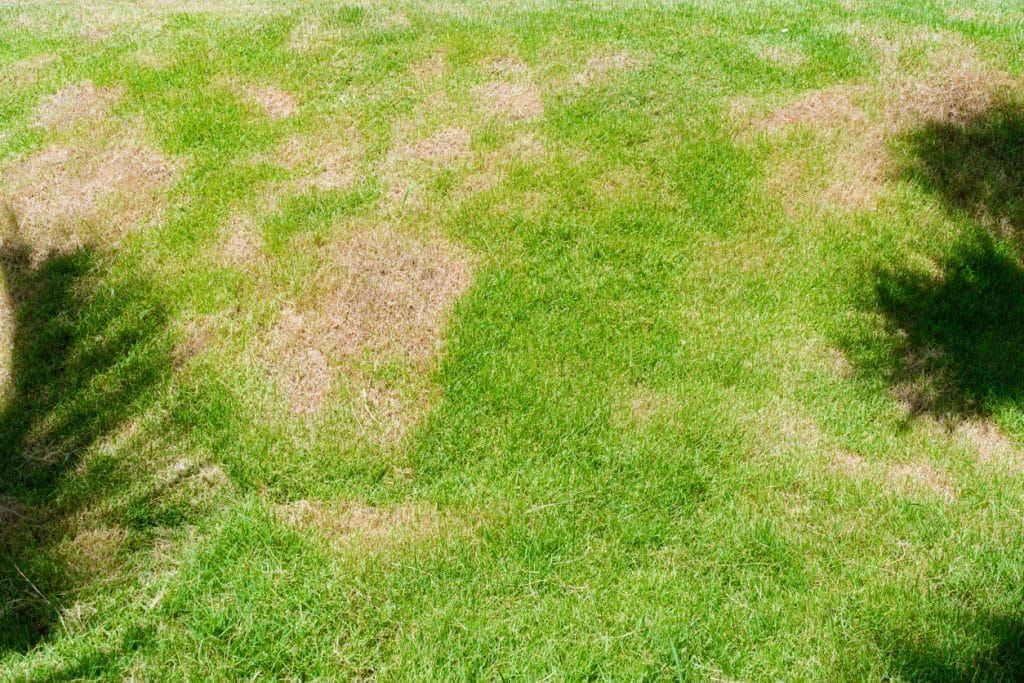
- Increased fungal disease (especially in shaded zones)
- Runoff into streets and storm drains
- Stressed shrubs and ornamentals
- Higher water bills with little benefit
This is where modern landscape technology makes a measurable difference.
What Are Smart Sensors in Irrigation?
Smart sensors are devices that collect real environmental data and use it to guide irrigation decisions. Instead of watering simply because the schedule says so, smart systems evaluate conditions and determine whether watering is actually necessary.
Smart irrigation tools often include:
- Soil moisture sensors that measure moisture in the root zone
- ET-based controllers that adjust watering based on weather conditions
- Rain sensors that prevent watering during rainfall
- Flow sensors that detect leaks or abnormal water use
- Remote irrigation monitoring platforms for off-site control and reporting
Together, these systems form the foundation of smart landscape management, helping properties water precisely and protect landscape investments.
Soil Moisture Sensors: A Direct Solution to Overwatering
One of the biggest causes of landscape decline in Florida isn’t drought—it’s too much water. Many properties assume more watering equals healthier turf, but excessive moisture often leads to shallow roots, disease, and thinning grass.
Soil moisture sensors solve this by measuring what actually matters: the moisture level in the soil where roots grow. When soil moisture is adequate, the system can delay or skip watering cycles automatically.
This benefits turf and ornamentals in several ways:
Stronger Roots and Healthier Turf
When turf is watered only as needed, roots grow deeper and become more resilient. That improves the lawn’s ability to handle heat, traffic, and seasonal stress.
Reduced Turf Fungus and Disease Pressure
Florida lawns are prone to fungal issues like brown patch and other moisture-related diseases. Keeping the soil from staying constantly wet helps reduce those risks significantly.
Less Runoff and Waste
Overwatering doesn’t just harm plants—it wastes water. Moisture sensors help prevent unnecessary cycles that lead to pooling, runoff, and wasted utility costs.
For HOA common areas and commercial sites, soil moisture sensors are especially valuable because they help maintain consistent curb appeal without creating hidden problems beneath the surface.

ET-Based Controllers: Watering Based on Real Weather
While soil moisture sensors measure what’s happening in the ground, ET-based controllers focus on what’s happening in the environment.
ET stands for evapotranspiration, which is the combined water loss from evaporation (water leaving the soil) and transpiration (water released from plants). In simple terms: ET measures how much water your landscape has lost—and how much it needs replaced.
ET-based controllers use weather conditions such as:
- Temperature
- Humidity
- Wind
- Rainfall
- Sun exposure
Then they automatically adjust irrigation schedules to match the landscape’s needs. During rainy weeks, watering decreases. During dry, hot conditions, watering increases appropriately. This level of responsiveness is nearly impossible to achieve manually across a large property.
For Florida landscapes, ET-based control is one of the best ways to reduce waste while keeping turf and ornamentals healthy.
Remote Irrigation Monitoring: Faster Response, Fewer Failures
Large properties often don’t realize there’s an irrigation issue until the landscape shows visible decline. By the time turf turns brown or plant beds look stressed, the damage is already underway.
Remote irrigation monitoring changes that. With remote platforms, irrigation systems can be tracked, managed, and adjusted digitally—without waiting for in-person checks.
Remote monitoring helps identify:
- Zones that aren’t running
- Zones running too long
- Pressure drops or nozzle failures
- Broken heads and overspray
- Watering outside allowed schedule windows
- Unusual water usage spikes that may signal leaks
For HOAs and property managers, remote monitoring is a major operational advantage. It supports quicker corrections, fewer complaints, and more predictable landscape performance.
Smart Landscape Management Improves More Than Water Use
Smart irrigation upgrades are often viewed as a way to reduce the water bill—and they do. But the bigger benefit is how they improve overall landscape performance.
Improved Landscape Health
Plants thrive with consistent, appropriate moisture. Smart systems prevent the extreme swings of too much water followed by stress and decline.
Reduced Plant Replacement Costs
When turf and ornamentals stay healthier, properties spend less on replacing plants damaged by root rot, fungus, or irrigation-related decline.
Better Compliance With Local Watering Restrictions
Florida watering schedules and regulations can change by season and municipality. Smart systems help keep watering aligned with restrictions while maintaining plant health.
Better Reporting and Accountability
Many smart systems allow usage reports, alerts, and documented changes—helpful for board reporting, vendor accountability, and long-term planning.
Where Smart Sensors Provide the Biggest ROI
While smart sensors can benefit nearly any landscape, they are especially valuable in zones where overwatering or uneven watering is common. These often include:
- Large turf areas with high water demand
- Shaded zones that hold moisture longer
- Mixed planting beds with shrubs and seasonal color
- Entryways and high-visibility areas
- Sidewalk-adjacent zones where runoff creates hazards
Targeting these areas first can deliver faster results and noticeable improvements.

The Future of Irrigation in Florida Landscapes
Smart sensors aren’t a luxury anymore—they’re becoming the new standard for responsible landscape care. As water conservation becomes more important and property expectations continue to rise, technology-based irrigation management helps landscapes stay healthy while using resources efficiently.
At Estate Landscaping, we help HOAs, residential communities, and commercial properties implement the right irrigation technology for their needs. Whether it’s installing soil moisture sensors, upgrading to ET-based controllers, or implementing remote irrigation monitoring, we focus on solutions that improve performance long-term.
Ready to modernize your irrigation system and protect your landscape investment?
📞 Call 239-498-1187 or visit our Contact Us page to schedule a smart irrigation consultation.
Receive a Free Consultation!
Related Posts

Landscape Company Red Flags
Picture this; you walk out into your backyard and see an unkempt, unsightly area that you do not want to spend time in. You think to yourself “I should hire a landscape company to help me turn this place around.” However, if you aren’t experienced in working with landscape companies, this may be a tall […]

Illuminating Beauty: Enhancing Your Landscape with Outdoor Lighting
When the sun sets in Southwest Florida, your landscape doesn’t have to fade into darkness. With the right outdoor lighting ideas for landscapes, your property can transform into a stunning nighttime showcase—offering beauty, safety, and functionality. At Estate Landscaping, we believe that landscape lighting should do more than just illuminate paths; it should highlight the […]
Spring Surge: Protecting Your Florida Landscape as Growth and Pests Accelerate
Spring in Southwest Florida brings explosive growth. Turf thickens almost overnight, ornamentals push vibrant new foliage, and tree canopies expand rapidly. For HOA communities, this surge of activity sets the tone for the entire year. Managed properly, it leads to lush, consistent landscapes. Overlooked, it opens the door to pest outbreaks, thinning turf, and costly […]
