
Spring Surge: Protecting Your Florida Landscape as Growth and Pests Accelerate
Spring in Southwest Florida brings explosive growth. Turf thickens almost overnight, ornamentals push vibrant new foliage, and tree canopies expand rapidly. For HOA communities, this surge of activity sets the tone for the entire year. Managed properly, it leads to lush, consistent landscapes. Overlooked, it opens the door to pest outbreaks, thinning turf, and costly corrections.
At Estate Landscaping, we treat this growth phase as a critical management window. Our focus is balancing aggressive seasonal growth with proactive Integrated Pest Management (IPM) strategies designed specifically for Florida’s year-round growing conditions. In our service area, there is no dormancy reset—so timing, monitoring, and precision matter more than ever.
When Growth Accelerates, So Do Pest Pressures
Rapid Turf Growth Creates Opportunity for Pests
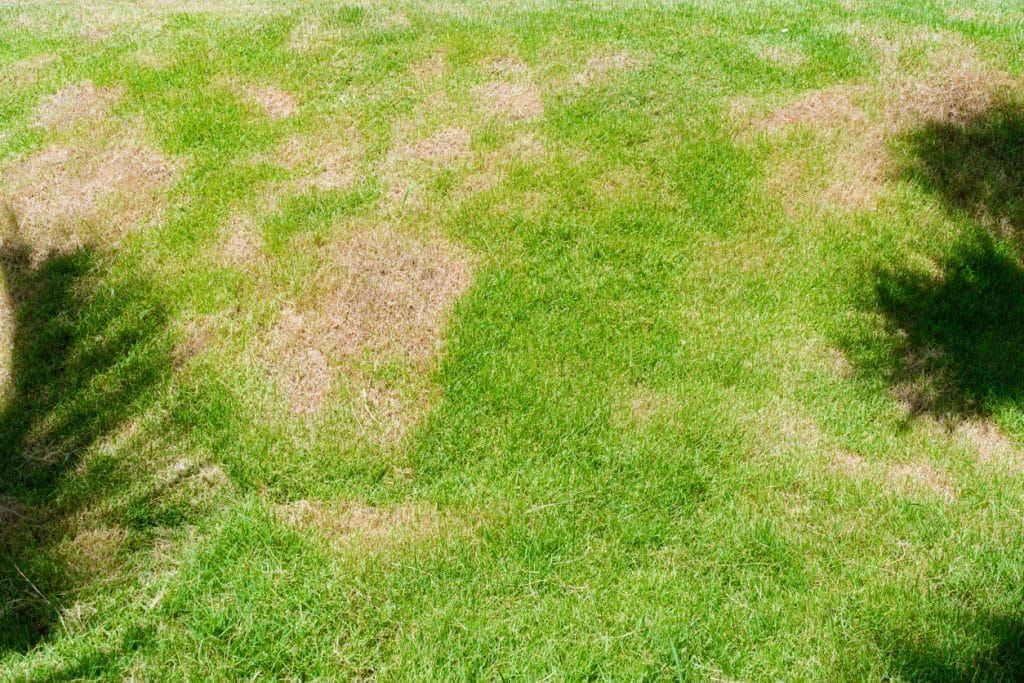
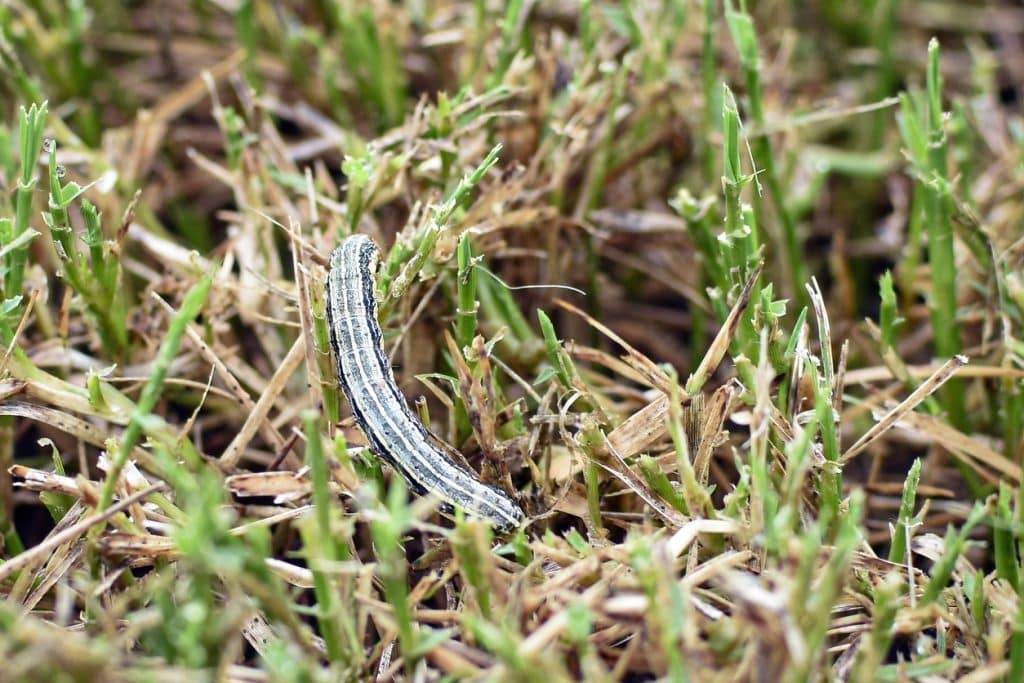
As temperatures rise, turfgrass moves into active growth mode. While this is great for density and color, it also creates ideal conditions for insects that feed on roots and blades. Thick turf can hide early warning signs, allowing pests to establish themselves unnoticed.
Unchecked pest activity can lead to:
- Thinning or patchy turf
- Uneven color across common areas
- Soft or weakened turf surfaces
- Increased long-term repair costs
This is why proactive monitoring is essential during peak growth periods.
Ornamentals Are Vulnerable During New Growth
Shrubs and ornamental plants produce tender new foliage during growth surges. That fresh growth attracts sap-feeding insects that can quickly reduce plant vigor and affect appearance.
Early detection allows us to:
- Identify activity before visible decline
- Apply targeted treatments only when needed
- Preserve the polished look HOAs expect
Why Integrated Pest Management Is the Smarter Approach
Beyond Routine Spraying
Integrated Pest Management (IPM) focuses on prevention and precision—not blanket applications. Rather than spraying on a fixed calendar, we monitor pest populations and act only when they reach damaging levels.
IPM strategies include:
- Routine inspections of turf and plant material
- Identifying pest thresholds before treatment
- Strengthening plant health to reduce susceptibility
- Applying targeted solutions when necessary
This approach protects your landscape while minimizing unnecessary interventions.
Pest Thresholds Protect Your Budget and Landscape
Not every insect sighting requires treatment. Understanding pest thresholds ensures action is taken only when pest populations threaten turf health or visual standards.
For HOA communities, this means:
- Fewer unnecessary applications
- More predictable maintenance costs
- Better long-term landscape performance
Turf Health Is the First Line of Defense
Balanced Fertilization Supports Resistance
Strong turf naturally resists pest damage better than stressed grass. A properly timed, balanced fertilization program strengthens roots and improves density without encouraging excessive, vulnerable growth.
Healthy turf:
- Recovers faster from stress
- Shows fewer signs of insect damage
- Maintains consistent appearance across large properties
Fertilization and IPM must work together for best results.
Irrigation Management Plays a Critical Role
Overwatering creates conditions favorable to pests and turf diseases. Smart irrigation scheduling supports deep root growth and reduces moisture-related stress.
Proper water management:
- Limits fungal pressure
- Improves soil stability
- Strengthens overall turf resilience
Early Monitoring Prevents Major Outbreaks
Small Problems Spread Quickly in Florida
In Southwest Florida, pest cycles move fast. What begins as a minor issue can expand across common areas if not caught early. With landscapes growing continuously, small disruptions can escalate before they are visible to residents.
Routine property-wide inspections allow us to:
- Detect early-stage pest activity
- Evaluate plant stress indicators
- Make informed treatment decisions
Proactive monitoring prevents emergency responses later.
Tree and Shrub Oversight During Active Growth
Structural and Health Evaluations Matter
As trees and shrubs expand, this is an ideal time to assess structure and overall health. Weak limbs, overcrowded growth, or stressed plants can become more vulnerable to pests and storm damage.
Professional oversight ensures:
- Strong canopy structure
- Balanced growth
- Improved plant durability
Healthy trees and shrubs contribute to both safety and curb appeal.
Preventing Mid-Summer Landscape Emergencies
What Happens Now Impacts the Entire Season
Many severe pest outbreaks later in the year begin with unnoticed activity during peak growth. By staying ahead of problems now, HOA communities reduce the likelihood of large-scale turf damage or ornamental decline.
Proactive IPM leads to:
- Fewer emergency treatments
- Stronger turf entering hotter months
- More stable maintenance budgets
IPM Tailored for Southwest Florida Conditions
No Dormant Season Means No Break in Pest Cycles
Unlike other regions, our service area never experiences a true dormancy period. Pests remain active year-round, which means IPM must be continuous and climate-specific.
Effective local IPM requires:
- Frequent monitoring
- Knowledge of Florida pest lifecycles
- Coordination between fertilization, irrigation, and pest control
At Estate Landscaping, we understand how Southwest Florida conditions influence turf and pest behavior. Our team adjusts strategies based on real-time landscape performance—not generic schedules.
Protecting Curb Appeal and HOA Confidence
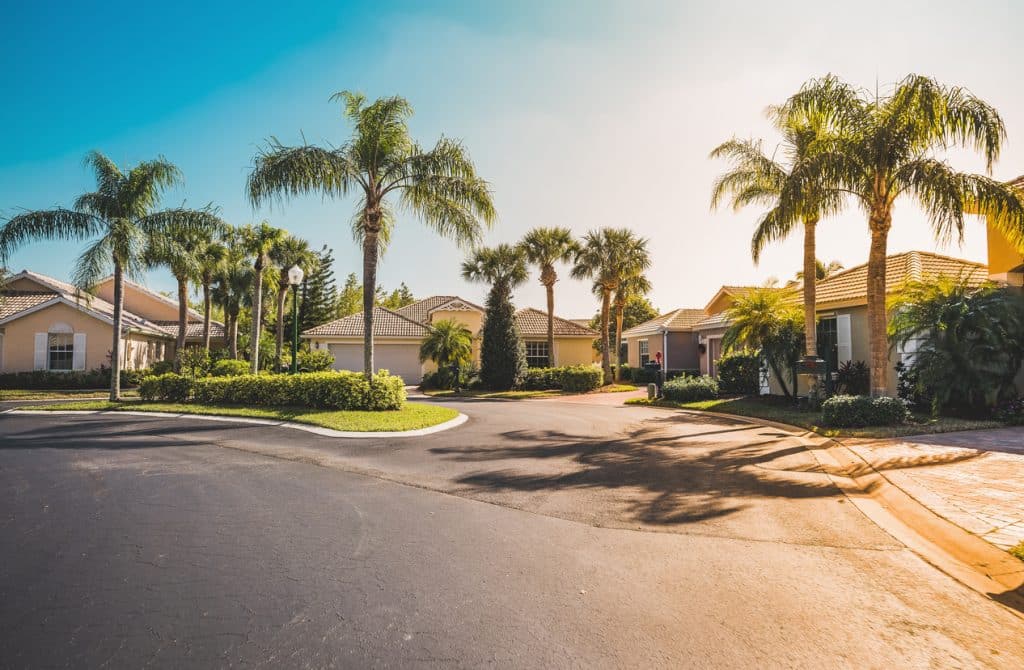
HOA boards need landscapes that perform consistently across entrances, common areas, and shared green spaces. IPM supports that consistency by reducing visible damage and maintaining uniform turf health.
Residents may not see the inspections happening behind the scenes—but they always notice when the landscape looks strong and healthy.
Stay Ahead of Growth and Pest Pressure
Seasonal growth surges are an opportunity to strengthen your landscape—not a time to fall behind. With proactive Integrated Pest Management and coordinated turf care, your HOA can maintain dense, resilient turf and vibrant ornamentals throughout the year.
📞 Call Estate Landscaping at 239-498-1187 or visit our Contact Us page to schedule a comprehensive landscape evaluation.
Receive a Free Consultation!
Related Posts
Beyond Sprays: A Smarter Approach to Integrated Pest Management
For many Florida communities, pest control has traditionally meant one thing—spray first, ask questions later. While this approach may provide short-term results, it rarely delivers long-term stability. In Southwest Florida, where landscapes grow year-round and pest pressure never truly stops, reactive treatments alone simply aren’t enough. At Estate Landscaping, we take a more strategic approach. […]

Effective Lawn Pest Control Strategies for Commercial Properties in Fall
As fall settles in, commercial property owners and managers need to stay proactive about the increasing threat of lawn pests. Cooler temperatures invite pests like grubs and chinch bugs to become more active in landscapes, which can lead to significant damage if left unchecked. At Estate Landscaping, we specialize in lawn pest control for commercial […]

Protecting Your Landscape: Effective Pest Control Strategies for Healthier Landscapes
Maintaining a beautiful landscape involves more than just regular watering and mowing. To keep your outdoor spaces thriving, it’s essential to protect your plants from pests that can cause significant damage. Without proper pest management, your landscape could quickly fall victim to insects and other destructive organisms, threatening the health of your plants and diminishing […]
