
Less Mow, More Impact: Replacing High-Maintenance Turf with Smarter Planting Areas
For many Florida HOA communities, turf dominates the landscape—and the maintenance budget. While healthy turf is still an important part of a polished community appearance, not every area benefits from being mowed, edged, and irrigated week after week. In fact, some turf areas quietly create higher costs, ongoing stress, and inconsistent results.
At Estate Landscaping, we work with HOAs to identify opportunities for smarter design. Strategic turf reduction paired with thoughtful planting areas allows communities to reduce maintenance demands while enhancing visual impact. The result is a landscape that works harder—and looks better—with less effort.
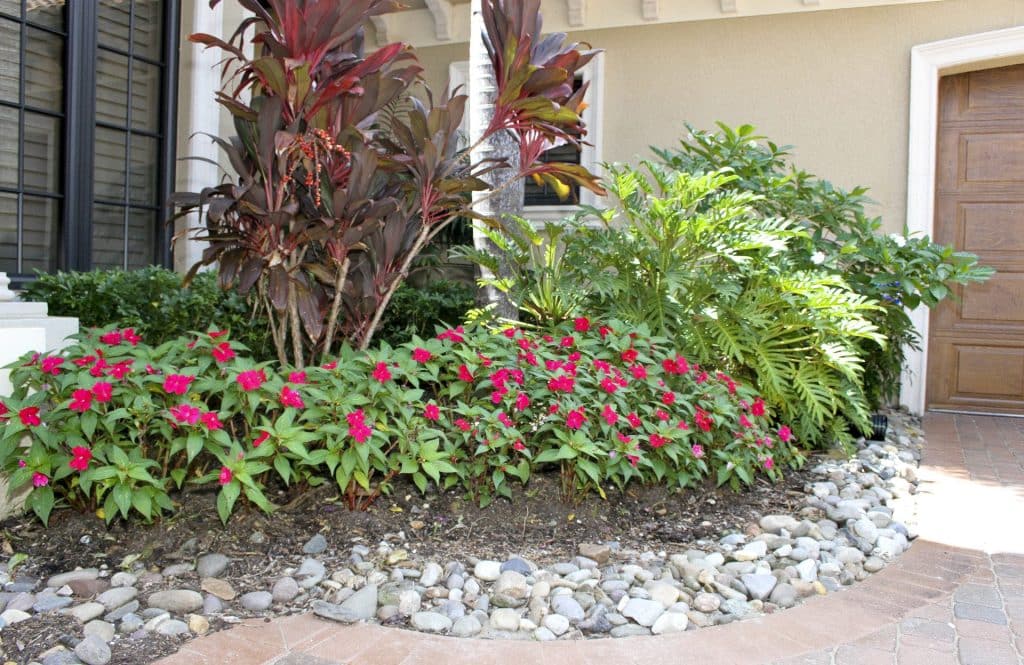

Why Turf Isn’t Always the Best Solution
Hidden Costs of Excess Turf
Turf requires regular mowing, irrigation, fertilization, and pest control to stay consistent year-round in Florida. In areas with low foot traffic or challenging conditions, turf often struggles despite increased maintenance.
Problem turf areas commonly include:
- Narrow strips along buildings
- Shaded zones under tree canopies
- Sloped or hard-to-access areas
- Low-visibility corners of the property
These spaces consume time and resources without delivering strong visual value.
Florida’s Climate Demands Smart Choices
Because Florida landscapes grow continuously, turf maintenance never pauses. Replacing select turf areas with well-designed planting beds reduces year-round labor while still maintaining a clean, professional appearance.
Turf Reduction Strategies That Make Sense for HOAs
Targeting the Right Areas
Effective turf reduction strategies focus on underperforming areas rather than removing turf indiscriminately. The goal is balance—preserving functional green space while reducing maintenance-heavy zones.
Ideal candidates for turf reduction include:
- Areas with chronic turf stress
- Locations that are rarely used by residents
- Spots prone to erosion or irrigation inefficiency
By targeting these zones, HOAs see immediate improvement in performance and appearance.
Design With Intent
Replacing turf doesn’t mean sacrificing openness. Well-planned planting areas maintain visual flow and structure while eliminating unnecessary maintenance demands.
Clear borders, consistent plant spacing, and defined edges ensure turf replacements look intentional—not like an afterthought.
Low-Maintenance Landscape Design That Still Looks Polished
Structure Creates Simplicity
Low-maintenance landscape design relies on structure. Planting beds with clean lines and predictable growth habits reduce the need for constant attention while delivering consistent curb appeal.
Successful low-maintenance designs emphasize:
- Defined bed shapes
- Repetition of plant material
- Predictable growth patterns
This approach keeps HOA landscapes looking organized and professional.
Reducing Long-Term Maintenance Pressure
When designed correctly, planting beds require less frequent mowing, fewer irrigation adjustments, and lower overall input compared to turf-heavy layouts.
Over time, this translates to:
- Lower maintenance costs
- Improved landscape consistency
- Reduced stress on irrigation systems

Florida Native Plant Beds as Turf Alternatives
Plants That Work With the Environment
Florida native plant beds are well-suited for turf replacement because they are adapted to local conditions. These plants handle heat, rain, and seasonal shifts with less intervention.
Benefits include:
- Improved resilience
- Reduced water demand
- Better long-term performance
Native plants also integrate seamlessly into HOA landscapes when chosen and maintained properly.
Maintaining HOA Aesthetics
Native doesn’t mean wild. Carefully selected plant material, proper spacing, and consistent maintenance ensure native plant beds remain neat, structured, and HOA-compliant.
The key is professional design—not random placement.
Drought-Tolerant Alternatives to Grass
Reducing Irrigation Dependency
While Florida receives significant rainfall, efficient water use remains a priority. Drought-tolerant alternatives to grass reduce reliance on irrigation systems and perform more consistently in challenging areas.
These alternatives:
- Require less frequent watering
- Maintain appearance during dry periods
- Reduce stress on irrigation infrastructure
This supports long-term sustainability and system efficiency.
Supporting Smarter Irrigation Planning
Replacing turf in difficult zones allows irrigation systems to be zoned more accurately, improving performance across the entire property.
Better zoning leads to:
- More uniform turf health
- Reduced overspray and runoff
- Improved overall irrigation efficiency
Sustainable Lawn Replacement Without Compromise
Environmental Benefits With Visual Impact
Sustainable lawn replacement supports broader environmental goals without sacrificing appearance. Reduced mowing lowers fuel use, while efficient planting areas help stabilize soil and manage water movement.
These changes contribute to:
- Lower environmental impact
- Improved stormwater performance
- Healthier landscape systems
At the same time, well-designed beds add texture, color, and interest to the property.
Long-Term Financial Advantages
Sustainable turf reduction strategies often deliver measurable savings over time. HOAs benefit from:
- Reduced maintenance frequency
- Fewer turf repairs and replacements
- More predictable budgets
Smarter planting areas are an investment in long-term stability.
Aligning Turf Reduction With HOA Expectations
Communication and Consistency Matter
HOA boards must ensure landscape changes align with community standards. Turf replacement projects should be clearly planned, documented, and implemented consistently.
Successful projects focus on:
- Uniform design across the property
- Clean, professional appearance
- Clear maintenance plans
When residents see consistency, acceptance follows.
Avoiding Patchwork Results
Random turf removal can make landscapes feel disjointed. Professional planning ensures replacements enhance the overall design rather than creating visual gaps.
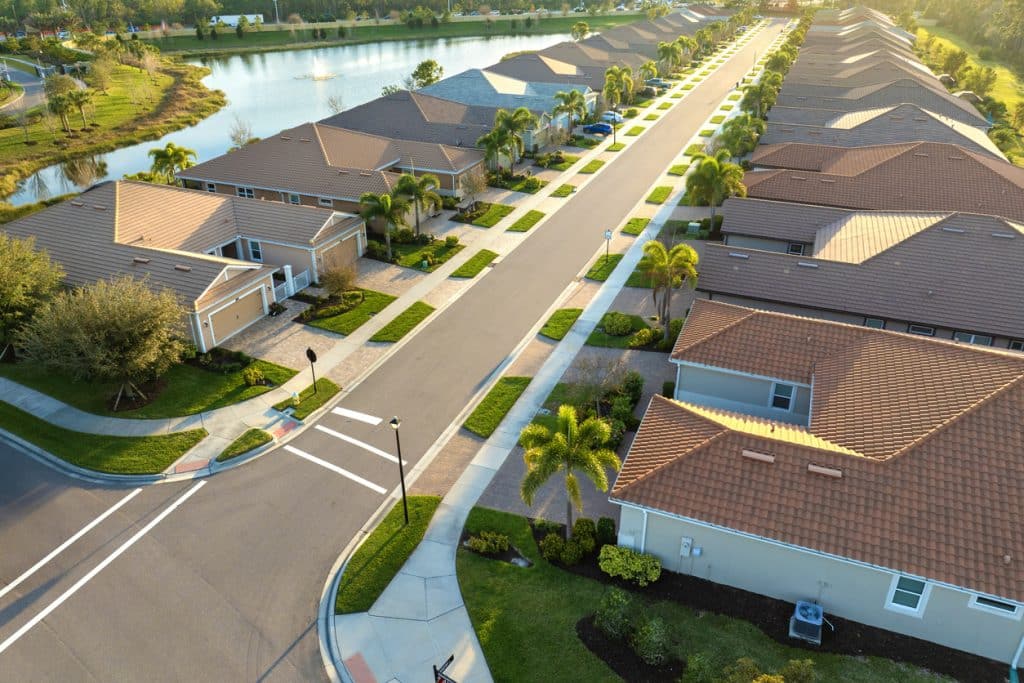
Why Professional Planning Makes the Difference
Experience Drives Better Outcomes
Turf reduction impacts irrigation, maintenance schedules, and long-term appearance. Without proper planning, these changes can create new challenges.
At Estate Landscaping, we evaluate:
- Turf performance patterns
- Irrigation efficiency
- Long-term maintenance goals
Our HOA-focused approach ensures turf reduction improves performance without unintended consequences.
Less Mowing, Stronger Landscapes
Strategic turf reduction allows communities to focus resources where they matter most. By replacing high-maintenance turf with smarter planting areas, HOAs gain landscapes that are easier to maintain, more resilient, and visually engaging year-round.
Let’s Reimagine Your Landscape for Better Results
If your HOA is dealing with problem turf areas or rising maintenance costs, it may be time for a smarter approach. Thoughtful turf reduction can make a big impact without disrupting your community’s look.
📞 Call Estate Landscaping at 239-498-1187 or reach out through our Contact Us page to explore turf reduction and low-maintenance landscape solutions designed for Florida HOA communities.
Let’s create a landscape that delivers more impact—with less mowing.
Receive a Free Consultation!
Related Posts

Drought: Important Irrigation Topics
The end of the rainy season here in Southwest Florida was marked by the driest October on record. Over the next 6-7 months your irrigation system and the durability of your landscaping will be put to the test. Now is the time to take steps in order to ensure that you preserve the health of […]

A Journey of Growth and Excellence in Landscape Services
At Estate Landscaping, our journey is one of continuous growth, innovation, and dedication to delivering excellence in landscaping services across Florida. Over the years, we’ve evolved from a small operation into a trusted leader in landscape design and maintenance, serving commercial properties and homeowners’ associations (HOAs). Our success is built on a foundation of personalized […]
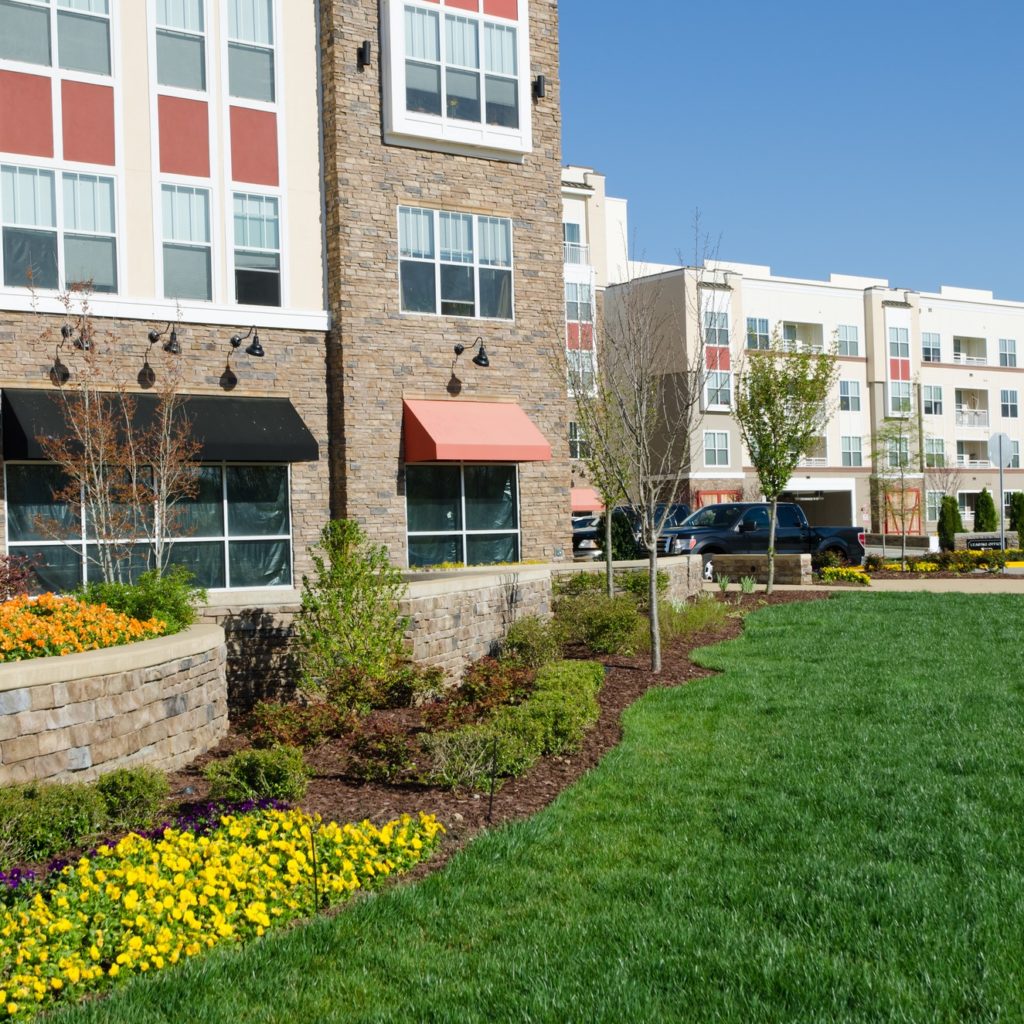
5 Principles to Success for your Annual Flowers
Choosing The Right Plant – Culture of annuals in Florida is different from that in most states. Florida has three climatic regions. During the winter, nights are cool with an occasional freeze in central and south Florida and frequent freezes in north Florida. In early spring and late fall, nights are cool, whereas high night […]
