
Stormwater Management
With hurricane season in full swing, it must be remembered that hurricanes are not the only storms to tear through Southwest Florida this time of year. These storms can wreak havoc, with heavy winds, and significant amounts of rain. Although we hope for the best, it is most important to prepare for the worst, and get your property ready just in case. We drink it everyday, but one of the most prominent risks of these storms is water. When rain comes crashing down, your soil and plant material can only soak up so much, and the rest becomes runoff. Now this runoff causes a variety of problems from flooding, to dirtying the water supply. This stormwater is one of the reasons for the fertilizer blackout, as it drags chemicals from yards to waterways. Lucky for you, there are a few things you can do to your property, to better manage your stormwater.
The Problem with Stormwater Runoff
First, we must establish why you should care about managing your stormwater runoff. The simple answer is flooding. When this water accumulates, and your soil can soak up no more, it just sits. This can damage your landscape in significant and costly ways. Additionally, this water is generally not clean, as it gathers pollutants and sediment as it runs. This can cause hurt beyond your own property, as this runoff finds its way into natural waterways, where you get your drinking water.
Simple Solutions to Better Manage Stormwater
The goal of managing your stormwater is to prevent the accumulation of pollutants, and to decrease the amount of it. The Environmental Protection Agency (EPA), uses the slogan, “slow it down, spread it out, and soak it in.” WIth these solutions, that is what you should aim to do.
Slow Down the Runoff: Plant Material
When looking to slow down stormwater accumulation, you should actually look into planting more green material. The canopies of trees spread out rainfall, preventing buildup in one area. The roots of both plants and trees also assist in absorbing the stormwater. Soil also helps get rid of pollutants, as it filters them out when feeding the roots of your plant material.
Catching Excess Stormwater
Another easy way to prevent the negative effects of stormwater runoff is to dig a trench for runoff to accumulate in. Fill the trench with gravel, and you can utilize this trench to direct the runoff to an area of your choice. Directly to a storm drain, or into a rain garden. These rain gardens filled with mulch, plants, and soil can be great when attempting to filter out the unhealthy portions of rainwater.
Protecting Hardscapes
Too much water buildup can damage your hardscapes, as water seeps into cracks and crevices. Instead, install more permeable hardscape items, using gravel, or broken up pavers, such as flagstone, allowing water to travel through your hardscape, without leaving a dent.
Final Guidance
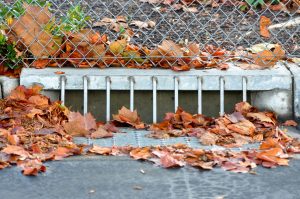
Although it may not be your responsibility, make sure your storm drains are cleared to allow them to better do their job. Furthermore, get rid of any bare soil, as it acts similar to concrete, not allowing any water to seep through.
For more information on how Estate Landscaping can take care of your landscaping needs, give us a call at (239) 498-1187, or send us an email at info@estatelandscaping.com.
Receive a Free Consultation!
Related Posts

5 Mulch Types-Advantages and Disadvantages
Whether it be for our commercial clients on their expansive properties or our residential clients where space must be maximized, we want to create beauty. For commercial property owners, this is to attract new business and wow current tenants, while homeowners want to improve their curb appeal. Both goals require a healthy landscape, which leads […]

Hurricane Season Preparation
As soon as June 1st hits, Florida residents know it is hurricane season. Hurricanes can be scary, threatening your safety, home, and livelihood. As important as these things all are, we are a landscaping company, and just a tad biased. Thus, we are a little more focused on helping you protect your landscape, come that […]

Lee County Residents!
If you are a Florida resident, you are probably familiar with the fertilizer blackout that occurs every year during the summer. You likely understand the basic premise, what you can and what you cannot do. However, there is a bit of nuance to it, and we want to ensure that our clients are fully aware […]