
Spring Landscape Safety Audit: Catching Hidden Risks Before They Become Problems
Spring is a critical time for Florida HOA communities—not because landscapes are waking up, but because growth accelerates quickly. Turf thickens, trees push new growth, and plant material fills in fast. While this growth is a sign of a healthy landscape, it can also hide risks that quietly develop into safety issues and liability concerns.
At Estate Landscaping, we recommend a proactive spring landscape safety audit to identify potential problems early, before they turn into resident complaints, costly repairs, or accidents. A structured safety review helps HOA boards protect residents, reduce liability, and maintain the professional appearance expected in well-managed communities.
Why Spring Is the Right Time for a Landscape Safety Audit
Growth Can Hide Problems
Florida landscapes grow year-round, but spring growth is especially aggressive. This rapid change can conceal issues that were visible just weeks earlier.
Common risks that emerge in spring include:
- Uneven turf caused by settling or erosion
- Overgrown plant material blocking visibility
- Tree limbs stressed by new growth
- Drainage areas becoming obstructed
A spring audit catches these concerns while they’re still manageable.
Prevention Is Always Less Expensive
Reactive repairs are almost always more costly than preventive maintenance. Identifying risks early allows HOAs to address issues before they escalate into injuries, property damage, or liability claims.
A spring safety audit sets the tone for the rest of the year.
The Role of an On-Staff Arborist in Landscape Safety
Tree Health Is a Safety Issue
Trees are valuable assets, but they also present one of the biggest safety risks if not properly managed. An on staff arborist brings specialized expertise that goes beyond basic maintenance.
Tree-related risks can include:
- Dead or weakened limbs
- Structural imbalances
- Root issues affecting stability
Spring is an ideal time to assess how trees are responding to new growth and seasonal stress.
Tree Risk Inspections Protect Residents and Property
Professional tree risk inspections evaluate both visible and underlying issues that could lead to limb failure or tree instability.
These inspections focus on:
- Canopy structure
- Trunk integrity
- Root zone conditions
Addressing concerns early reduces storm-related damage and improves overall safety throughout the community.
Landscape Risk Assessment: Looking Beyond the Obvious
Identifying Hidden Hazards
A thorough landscape risk assessment goes beyond surface-level appearance. While a landscape may look neat, underlying hazards can still exist.
Key areas reviewed during a safety audit include:
- Turf consistency and grading
- Drainage performance after rain
- Plant placement near high-use areas
- Tree and shrub clearance
This comprehensive approach ensures no detail is overlooked.
Common Risk Areas in HOA Communities
Certain parts of HOA properties are more prone to issues, including:
- High-traffic common areas
- Open green spaces used daily by residents
- Entry features and shared access zones
These areas deserve extra attention during a spring audit.
Trip Hazard Prevention Starts With Turf Health
Turf Is a Major Safety Factor
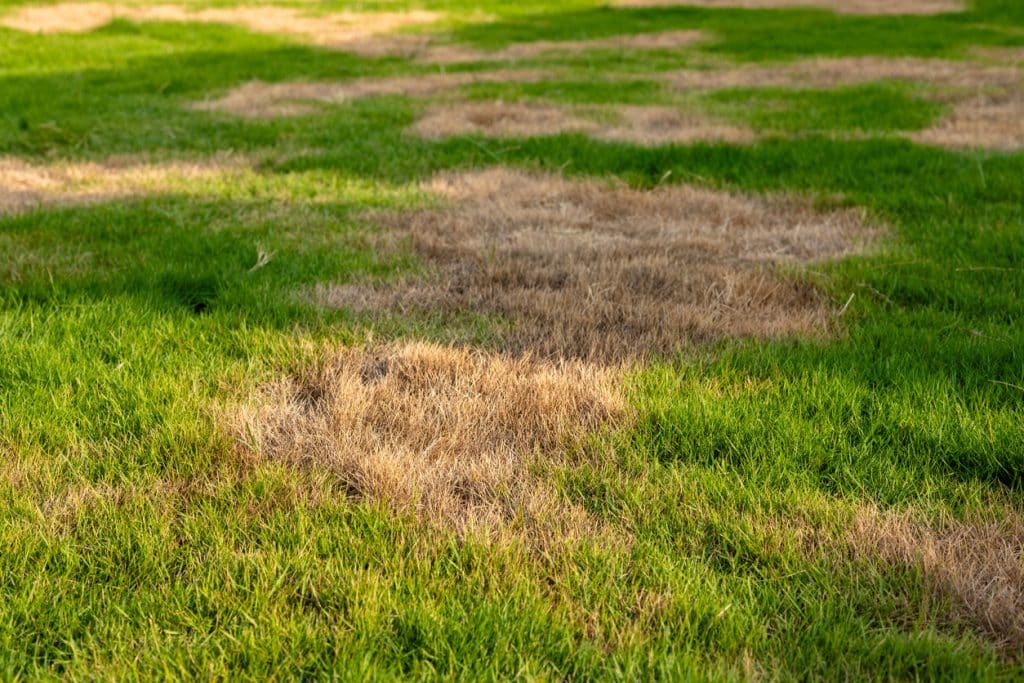
Uneven or thinning turf can quickly become a trip hazard. Florida’s sandy soils and frequent rain can cause settling or washout, especially during periods of active growth.
Effective trip hazard prevention focuses on:
- Maintaining dense, even turf
- Correcting low or high spots early
- Monitoring areas prone to erosion
Healthy turf isn’t just about appearance—it’s about safety.
Early Corrections Prevent Bigger Issues
Minor turf inconsistencies are easier to correct when identified early. Left alone, they can worsen over time and increase the risk of injury.
Spring audits help ensure turf conditions remain safe and uniform throughout the year.
Managing Visibility and Sightlines
Overgrowth Can Create Safety Concerns
Shrubs and trees that grow too aggressively can block sightlines in common areas. Reduced visibility can impact resident awareness and overall comfort when moving through the property.
Spring growth makes it essential to:
- Evaluate plant spacing
- Prune for visibility and balance
- Maintain clear views in shared spaces
Proper pruning improves both safety and aesthetics.
Clean Lines Signal Professional Management
Well-maintained sightlines communicate care and attention to detail. Residents notice when landscapes feel open, organized, and intentional.
Drainage and Standing Water Risks
Water-Related Hazards Often Go Unnoticed
Poor drainage can lead to standing water, soft turf, and slippery conditions. These issues may not be obvious during dry periods but become problematic after rain.
A spring safety audit evaluates:
- Drainage flow patterns
- Areas where water collects
- Turf performance after rainfall
Correcting drainage issues early reduces safety risks and turf decline.
Drainage and Liability Are Connected
Standing water doesn’t just affect landscape health—it increases the risk of slips and falls. Proactive drainage management supports both safety and long-term property performance.
HOA Liability Reduction Through Proactive Planning
Safety Audits Protect More Than Landscapes
One of the biggest benefits of a spring safety audit is HOA liability reduction. Documented inspections and proactive corrections demonstrate responsible property management.
This helps HOA boards:
- Show due diligence
- Reduce exposure to claims
- Address concerns before incidents occur
A proactive approach is always stronger than a reactive defense.
Consistency Across the Entire Property
Liability risks don’t come from one area—they come from inconsistencies. One neglected section can create problems for the entire community.
A coordinated safety audit ensures:
- Uniform standards
- Consistent maintenance
- Fewer surprises
Using a Spring Property Inspection Checklist
Structure Creates Better Results
A spring property inspection checklist ensures no critical area is missed. Rather than relying on casual observation, a checklist-driven audit provides consistency and accountability.
Typical checklist items include:
- Tree condition and pruning needs
- Turf uniformity and grading
- Drainage performance
- Plant overgrowth and visibility
This structured approach leads to better outcomes and clearer communication with HOA boards.
Turning Observations Into Action
An effective audit doesn’t stop at identifying issues—it prioritizes solutions. Findings are translated into actionable maintenance plans that improve safety and appearance simultaneously.

Why Professional Oversight Matters
Experience Identifies What Others Miss
Landscape safety isn’t always obvious. Many risks develop gradually and require trained eyes to spot early warning signs.
At Estate Landscaping, our team combines routine maintenance with professional evaluation to identify issues before they escalate. With arbor expertise and HOA-focused experience, we help communities stay ahead of potential problems.
Spring Audits Set the Tone for the Entire Year
Communities that start the year with a proactive safety review benefit from:
- Fewer mid-year emergencies
- Better budget predictability
- Increased resident confidence
- Landscapes that perform consistently
A spring landscape safety audit is one of the smartest investments an HOA can make.
Let’s Identify Risks Before They Become Problems
Small issues don’t stay small for long—especially in Florida landscapes. A professional spring safety audit helps protect residents, reduce liability, and keep your community looking its best.
📞 Call Estate Landscaping at 239-498-1187 or reach out through our Contact Us page to schedule a spring landscape safety review for your HOA.
Let’s address hidden risks early—and keep your community safe, confident, and beautifully maintained all year long.
Receive a Free Consultation!
Related Posts
Protecting Ponds and Shorelines: Erosion Control Strategies That Work
Ponds and lakes are some of the most visible and valuable features in Florida HOA communities. They enhance property value, improve stormwater management, and create a sense of openness across the landscape. But without proper planning and maintenance, shorelines can quickly become unstable, unsightly, and costly to repair. At Estate Landscaping, we understand that protecting […]

Rooted in Success: Benefits of Planting Trees in Fall
Trees are one of the most valuable investments you can make in your landscape. They provide beauty, shade, and long-lasting structure to any property, all while contributing to a healthier environment. While trees can be planted throughout the year in Florida, fall is often one of the most strategic times to add new trees to […]

Festive Landscapes: Enhancing Your Property for the Holidays
The holiday season is a time of joy, celebration, and togetherness. It’s also one of the best opportunities to make your property shine. Whether you manage a homeowners association, oversee a residential community, or run a commercial property, festive landscaping brings warmth and holiday spirit to every corner of your outdoor spaces. At Estate Landscaping, […]
