
Landscapes That Guide: Using Plants, Paths, and Lighting for Better Wayfinding
In large HOA communities, landscaping does more than beautify—it directs movement. When residents, guests, delivery drivers, and emergency responders enter your property, the landscape should naturally guide them where they need to go. Confusing layouts, hidden signage, or overgrown plantings can create frustration and even safety concerns.
At Estate Landscaping, we believe strong landscape wayfinding is subtle but powerful. Through thoughtful path design, proper plant placement, and strategic lighting, we help communities improve navigation without sacrificing curb appeal.
A well-designed landscape should feel intuitive. If people have to stop and figure out where to go, the design is working against you.

Why Wayfinding Matters in HOA Communities
Navigation in Large Communities
Many Florida HOA neighborhoods include multiple entrances, winding roadways, amenity centers, and clustered residential buildings. Without visual cues, navigating these spaces can become overwhelming—especially for first-time visitors.
Effective navigation in large communities improves:
- Resident convenience
- Guest experience
- Delivery efficiency
- Emergency response times
Landscaping plays a larger role in this than most boards realize.
Landscape Wayfinding Starts at the Entrance
Framing Entry Points Clearly
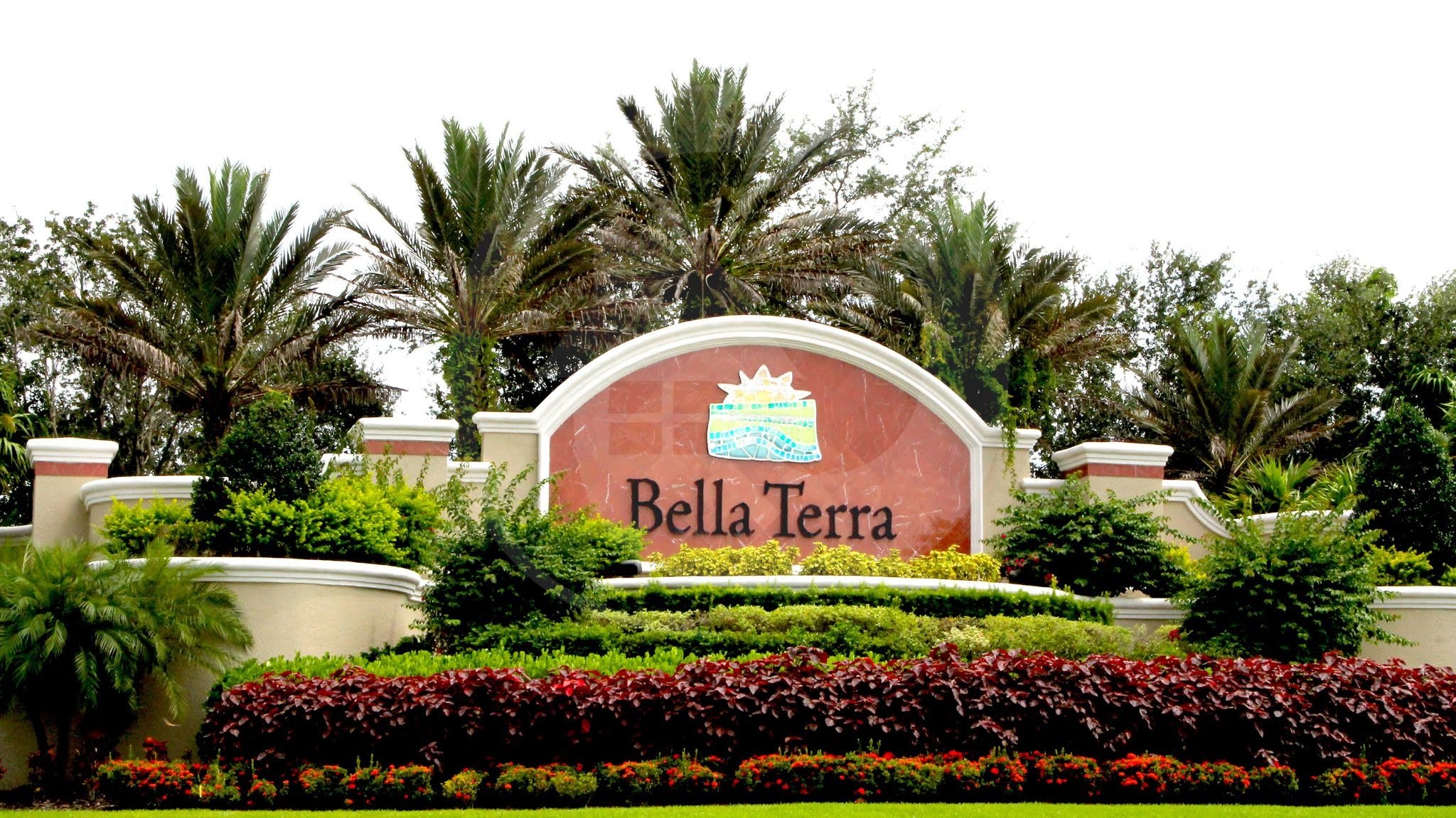
Entrances should be unmistakable. Strategic plant placement can frame monument signage and visually anchor the main access points.
Strong entry design includes:
- Clear, unobstructed monument signage
- Layered plantings that guide the eye inward
- Defined bed edges for visual clarity
- Open sightlines along drive lanes
When entrances are visually strong, they set the tone for navigation throughout the property.
Path Design That Feels Natural
Creating Visual Flow
Effective path design encourages movement through subtle cues. Curved walkways, consistent plant borders, and maintained turf edges gently direct people without the need for excessive signage.
Well-designed paths should:
- Be clearly distinguishable from surrounding turf
- Maintain clean edges
- Connect logically between buildings and amenities
- Avoid visual clutter
When pathways are obvious, movement becomes effortless.
Avoiding Confusing Transitions
Abrupt changes in materials, inconsistent plant spacing, or blocked sightlines can interrupt flow. Continuity in design supports intuitive movement from one area to the next.
Sign Visibility and Plant Placement
Keeping Signs Clear and Legible
One of the most common wayfinding mistakes is allowing shrubs or trees to obstruct signage. Over time, plant growth can partially hide building numbers or directional markers.
Maintaining strong sign visibility requires:
- Proper plant spacing at installation
- Routine pruning to prevent encroachment
- Monitoring sightlines from multiple approach angles
- Ensuring lighting highlights key signs at night
Clear signage combined with thoughtful landscaping prevents confusion.
Plant Height and Safety Considerations
Maintaining Clear Sightlines
Plant height plays a critical role in both navigation and safety. Overgrown hedges at intersections or along pathways can block views and create blind spots.
Smart plant height and safety planning includes:
- Lower plantings near corners and crosswalks
- Maintaining vertical clearance under tree canopies
- Avoiding dense plant clusters near drive lanes
- Preserving open views around amenity entrances
Clear sightlines protect pedestrians, drivers, and cyclists alike.
Lighting as a Wayfinding Tool
Guiding Movement After Dark
Lighting enhances navigation just as much as plants and paths. Strategic lighting placement helps define routes and highlight entrances, especially in large communities.
Effective lighting design should:
- Illuminate primary walkways
- Highlight monument signage
- Avoid glare or excessive brightness
- Maintain consistency throughout the property
When paths are well lit, residents feel safer and more confident moving through the community at night.
Wayfinding Around Amenities
Directing Traffic to High-Use Areas
Clubhouses, pools, playgrounds, and dog parks often generate the most foot traffic. Landscaping around these areas should clearly define entrances and access points.
Best practices include:
- Framing entry pathways with symmetrical plantings
- Maintaining wide, unobstructed access routes
- Keeping surrounding turf even and well-maintained
- Ensuring signage remains visible from parking areas
Clear visual direction improves usability and reduces congestion.
Using Landscaping to Define Zones
Creating Visual Hierarchy
In large communities, landscaping can help distinguish between private, semi-private, and public areas. Subtle shifts in plant density, hedge height, or turf transitions create visual cues that guide behavior.
Zone definition may include:
- Taller screening along property edges
- Lower plantings near shared spaces
- Consistent hedge lines around amenities
- Clear transitions between residential clusters
These visual boundaries enhance both navigation and order.
Ongoing Maintenance Preserves Wayfinding
Growth Happens Quickly in Florida
Because landscapes in Southwest Florida grow year-round, wayfinding elements must be monitored continuously. What was clear six months ago may now be partially obstructed.
Routine maintenance ensures:
- Shrubs remain trimmed to appropriate height
- Trees maintain canopy clearance
- Bed edges stay defined
- Lighting remains unobstructed
Proactive care protects long-term functionality.

The Impact on Resident Experience
Communities that are easy to navigate feel more organized and professionally managed. Residents notice when they can move seamlessly between entrances, amenities, and their homes.
Strong landscape wayfinding supports:
- Reduced confusion
- Improved traffic flow
- Enhanced safety
- Greater overall satisfaction
Clarity builds confidence.
Why Professional Planning Matters
Effective wayfinding requires coordination between plant selection, spacing, irrigation, lighting, and long-term maintenance planning. Without a comprehensive approach, small inconsistencies can disrupt flow.
At Estate Landscaping, we design and maintain landscapes that guide as well as beautify. Our HOA-focused strategy ensures signage remains visible, paths remain clear, and plant heights support both safety and navigation.
Because the best landscapes don’t just look good—they lead the way.
Let’s Make Your Community Easier to Navigate
If your HOA struggles with hidden signage, confusing pathways, or overgrown sightlines, thoughtful landscape adjustments can make a measurable difference.
📞 Call Estate Landscaping at 239-498-1187 or visit our Contact Us page to schedule a landscape wayfinding evaluation.
Let’s create a community that’s not only beautiful—but easy to navigate, day and night.
Receive a Free Consultation!
Related Posts

Mulching Your Commercial Property
Maintaining a healthy and visually appealing landscape for your commercial property is essential. Mulching is a highly beneficial practice that can contribute to the overall well-being of your outdoor spaces. At Estate Landscaping, we understand the importance of mulching and its impact on the long-term success of your commercial property. In this blog post, we […]

STOP: Signs of Over Mulching Your Property
When it comes to mulching, the expression “too much of a good thing” applies. While mulch can be incredibly beneficial for your plant beds, if you apply too much, it can have harmful repercussions. We find that a lot of people are surprised to learn that over mulching is even possible. That’s why we’ve rounded […]

Spring Into Action: Essential Landscape Maintenance Tips for April
Spring is in full swing, and for property managers, HOA boards, and business owners in Southwest Florida, April is a critical time for landscape maintenance. As temperatures rise and seasonal rains become more frequent, it’s essential to ensure that your commercial landscapes remain healthy, vibrant, and resilient. From irrigation checks to fertilization schedules and pest […]
