
How to Use Color Effectively in Your HOA Landscape Design
Color is a powerful tool in commercial landscape design, enhancing curb appeal, creating a welcoming environment, and conveying a sense of vibrancy and care. With the right color choices, your landscape can make a strong, positive impression on visitors, residents, and tenants. Here’s how to use color effectively in your commercial landscape to create a stunning, professional appearance that changes with the seasons.
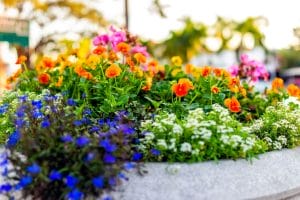
1. Choose a Color Scheme that Reflects Your Brand
Your landscape design can mirror the brand personality or aesthetic of your property. For instance, if your business or community emphasizes calm and relaxation, a palette of greens, blues, and whites may be ideal. If energy and vibrancy are key aspects of your brand, consider bold colors like reds, oranges, and yellows.
Estate Landscaping can help you identify colors that align with your brand and complement the architecture of your property. We design color schemes that enhance your landscape and create a cohesive look, reinforcing the visual identity of your business or HOA.
2. Create Visual Interest with Seasonal Flowers
Seasonal flowers are one of the easiest ways to introduce fresh colors to a landscape throughout the year. With Southwest Florida’s climate, you have access to a broad variety of plants that bloom nearly year-round. By selecting flowers that bloom at different times, you can ensure your landscape has continuous color and interest.
Estate Landscaping offers a selection of seasonal flowers and plants that thrive in our area’s unique climate. We create planting plans that provide vibrant color for each season, from bright annuals in spring to hardy perennials in winter, ensuring your landscape always looks its best.
3. Use Contrasting Colors for Impact
Contrast creates focal points that draw the eye and add depth to your landscape design. Pairing complementary colors, such as purple and yellow or red and green, can help specific areas stand out. Use this technique sparingly to avoid overwhelming the space—too much contrast can be distracting rather than appealing.
Our designers strategically place contrasting colors in your landscape to highlight key areas, such as entranceways or seating areas. Using contrast in moderation adds visual impact while maintaining a cohesive, balanced look.
4. Incorporate Color Through Foliage
Flowers aren’t the only way to add color. Many plants have colorful foliage that can enhance your landscape all year long. Plants with red, purple, or variegated leaves add interest and break up the green of traditional plants, providing a pop of color even when flowers aren’t in bloom.
Estate Landscaping includes plants with vibrant foliage, such as crotons, bromeliads, and variegated shrubs, which add color to your landscape beyond blooming seasons. These plants not only provide long-lasting beauty but also require less maintenance than seasonal flowers.
5. Use Color to Guide and Define Spaces
In large commercial landscapes, color can be a helpful tool for guiding people through the space. For example, using brighter colors near entryways or key areas helps direct attention and traffic flow. You can also use color to define different areas within the landscape, such as designating relaxing spaces with softer tones and energizing areas with vibrant hues.
Our team designs color layouts that help define spaces within your landscape. By strategically placing color in areas where you want to draw attention, we create an intuitive flow that enhances both the visual appeal and functionality of the property.
6. Choose Low-Maintenance Plants for Lasting Color
While color is essential, it’s also important to choose plants that won’t require constant upkeep. Opt for low-maintenance, drought-resistant plants that thrive in Southwest Florida’s climate. Native plants and hardy perennials are excellent choices, as they are adapted to the local conditions and provide dependable color with minimal care.
Estate Landscaping specializes in low-maintenance plants that provide enduring color without frequent replacement or intensive care. By choosing plants that thrive locally, we ensure your landscape stays vibrant with minimal upkeep, allowing your team to focus on other property needs.

Brighten Up Your Landscape with Estate Landscaping
A well-designed color plan can make your commercial property more inviting, engaging, and reflective of your brand. At Estate Landscaping, we bring our expertise in color and plant selection to create a landscape that is beautiful, practical, and easy to maintain year-round.
Ready to add vibrant color to your property? Contact us at 239-498-1187 or visit our Contact Us page to learn more about our color-focused landscape design services. Let’s bring your vision to life with a landscape that’s as dynamic and welcoming as your business or community.
Receive a Free Consultation!
Related Posts

Cold Weather and Landscaping: How to Protect Your Property and Address Common Challenges
Southwest Florida may be known for its warm, tropical climate, but even here, cold weather can bring unique challenges to your commercial landscape. When temperatures dip into the 40s or lower, the effects on your turf and tropical plants can be significant. Cold stress, dormant weeds, and irrigation confusion are just a few of the […]

Holiday Ready Landscapes: Planning Lighting and Décor Without Damaging Plants
The holiday season brings excitement, increased traffic, and a desire to make your HOA community feel festive and welcoming. Entrances sparkle, palm trees glow, and common areas become gathering spots. But without careful planning, holiday décor can stress plants, damage turf, and create electrical or safety concerns. At Estate Landscaping, we believe holiday displays should […]

Why a Year-Round Maintenance Plan is Essential for Your Landscape
A stunning, well-maintained landscape can do wonders for both residential and commercial properties. Whether it’s a homeowner’s association (HOA) community or a private residence, a vibrant, healthy landscape adds curb appeal, reinforces a welcoming image, and boosts property value. In Southwest Florida’s warm climate, where landscapes grow vigorously year-round, consistent maintenance isn’t just beneficial—it’s essential. […]
