Beyond Sprays: A Smarter Approach to Integrated Pest Management
For many Florida communities, pest control has traditionally meant one thing—spray first, ask questions later. While this approach may provide short-term results, it rarely delivers long-term stability. In Southwest Florida, where landscapes grow year-round and pest pressure never truly stops, reactive treatments alone simply aren’t enough.
At Estate Landscaping, we take a more strategic approach. Through Integrated Pest Management (IPM), we protect HOA landscapes using monitoring, prevention, and targeted treatments that support healthier turf and plant material over time. The result is a cleaner, more consistent landscape—without unnecessary applications.
What Is Integrated Pest Management?
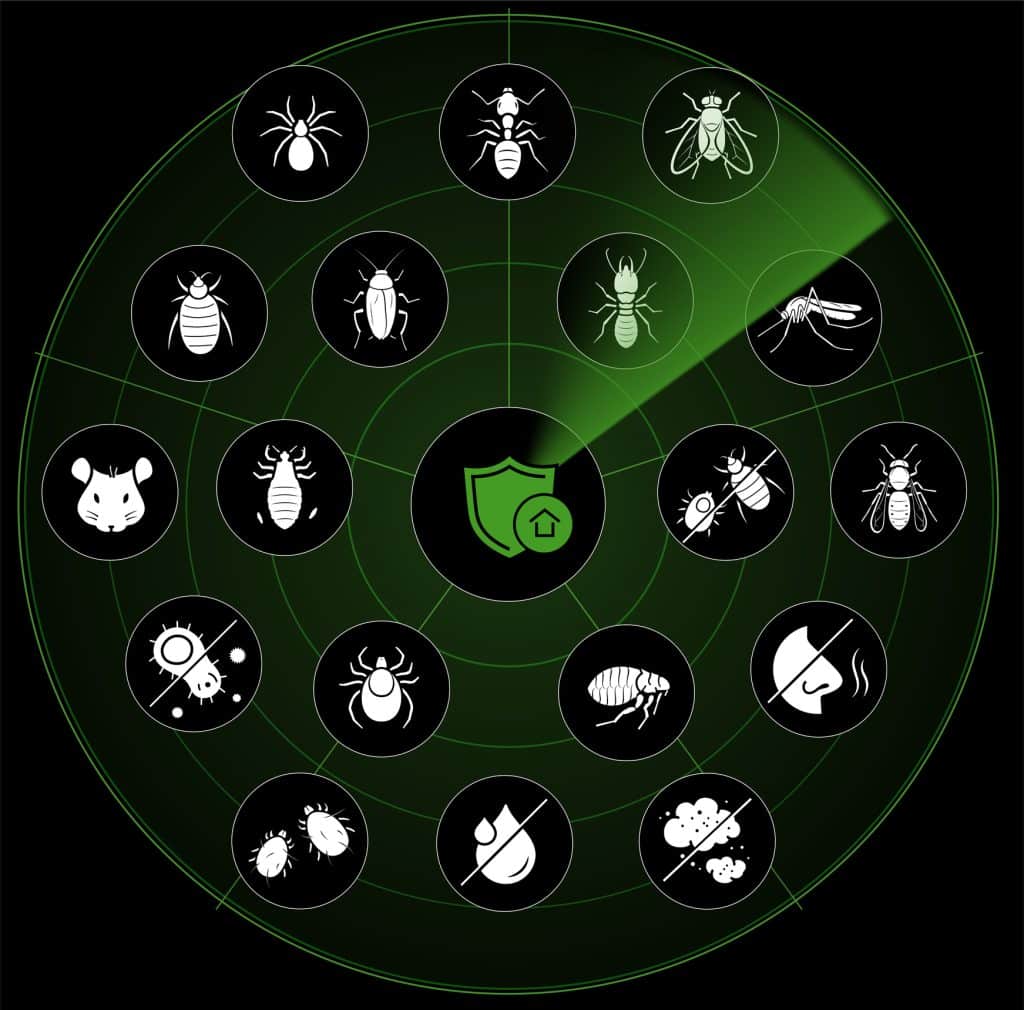
Integrated Pest Management is a science-based strategy that focuses on long-term prevention rather than repeated reaction. Instead of treating on a rigid schedule, IPM evaluates pest activity, plant health, and environmental conditions before deciding on action.
An effective IPM program includes:
- Routine landscape inspections
- Identification of pest activity and stress indicators
- Understanding pest thresholds
- Targeted treatment only when necessary
- Supporting plant health to reduce vulnerability
The goal is not to eliminate every insect—it’s to maintain pest populations below damaging levels while preserving curb appeal.
Why Spray-Only Programs Fall Short in Florida
Pests Are Active Year-Round
In our region, there is no winter dormancy reset. Turf, shrubs, and insects remain active throughout the year. A spray-only program often treats visible symptoms without addressing underlying conditions.
This can lead to:
- Recurring infestations
- Increased treatment frequency
- Stressed turf and ornamentals
- Higher long-term costs
IPM shifts the focus from reaction to prevention.
Overuse Can Disrupt Landscape Balance
Routine blanket spraying may disrupt natural pest control systems within the landscape. A balanced environment supports plant resilience and reduces the likelihood of repeated outbreaks.
Understanding Pest Thresholds
One of the most important principles of IPM is the concept of pest thresholds.
Not every pest sighting requires immediate treatment. Instead, action is taken when pest populations reach a level that could cause visible damage or impact plant health.
This approach benefits HOA communities by:
- Reducing unnecessary applications
- Protecting beneficial organisms
- Creating more predictable budgets
- Maintaining consistent landscape quality
Monitoring allows us to act at the right time—not too early, and not too late.

The Role of Beneficial Insects
Not All Insects Are Harmful
A healthy Florida landscape contains both pests and beneficial insects. Beneficial insects naturally prey on damaging pests and help maintain balance within turf and plant beds.
Encouraging beneficial insect activity can:
- Reduce pest population spikes
- Limit the need for intervention
- Support overall ecosystem health
IPM recognizes the value of these natural allies instead of eliminating them through broad treatments.
Eco-Friendly Pest Control Without Sacrificing Results
Eco-friendly pest control doesn’t mean ignoring pest problems—it means addressing them responsibly and strategically.
Targeted treatments focus on:
- Specific pests
- Specific areas
- Specific timing
This precision reduces unnecessary exposure while still protecting high-visibility HOA areas like entrances, common spaces, and shared green areas.
For boards and property managers, this approach supports both environmental responsibility and professional presentation.
Commercial Landscape IPM Strategies Applied to HOAs
Many commercial landscape IPM strategies translate perfectly to HOA communities. Large properties require consistent monitoring, documentation, and coordinated treatment planning.
Professional IPM programs include:
- Property-wide inspection schedules
- Data-driven decision-making
- Coordinated fertilization and irrigation support
- Clear communication with HOA boards
This structured approach ensures uniform results across the entire community.
Strong Turf Is the First Line of Defense
Healthy turf naturally resists pest damage better than stressed grass. IPM works alongside proper fertilization, irrigation management, and soil health practices to strengthen turf from the roots up.
When turf is dense and healthy:
- Insects have fewer opportunities to establish
- Damage is easier to detect early
- Recovery from stress happens faster
IPM is not separate from maintenance—it is integrated into the overall landscape strategy.
Why Proactive Monitoring Matters in Southwest Florida
Florida’s climate accelerates pest life cycles. What begins as minor activity can spread quickly across common areas if not identified early.
Routine monitoring allows us to:
- Detect early warning signs
- Address issues before visible damage spreads
- Prevent mid-season emergencies
For HOA boards, proactive oversight reduces surprise costs and resident complaints.

Benefits for HOA Communities
When Integrated Pest Management is implemented properly, communities experience:
- More consistent turf appearance
- Fewer large-scale infestations
- Reduced emergency treatments
- Greater budget predictability
- Stronger environmental responsibility
IPM provides structure, accountability, and long-term performance—qualities that matter for HOA leadership.
A Smarter Way to Protect Your Landscape
Sprays alone don’t build healthy landscapes—strategy does. Integrated Pest Management gives Florida HOAs a balanced, effective way to manage pests without overreliance on reactive treatments.
At Estate Landscaping, our IPM programs are designed specifically for Southwest Florida’s year-round growing conditions. We combine monitoring, expertise, and targeted solutions to keep your landscape strong, uniform, and resilient.
📞 Call Estate Landscaping at 239-498-1187 or visit our Contact Us page to learn how a smarter pest management strategy can protect your community year-round.
Let’s move beyond sprays—and build a landscape that stays healthy season after season.
Receive a Free Consultation!
Related Posts

Smart Watering: Spring Irrigation Tips for a Thriving, Efficient Landscape
Spring in Southwest Florida is a time of growth, but as temperatures rise, so do the demands on your irrigation system. Keeping your landscape lush and healthy requires more than just turning on the sprinklers—it’s about using water efficiently and effectively to nourish your lawn and plants. Smart watering not only ensures a thriving landscape […]

The Crucial Role of Proper Drainage in Landscape Management
Creating a stunning and sustainable landscape involves much more than planting trees and shrubs. One critical, yet often overlooked, aspect of effective landscape management is proper drainage. At Estate Landscaping, we recognize the importance of maintaining a well-drained landscape to ensure the health and longevity of your plants, as well as the overall beauty of […]

Wrapping Up: Post-Holiday Landscape Care Made Easy
The holiday season brings joy, celebration, and plenty of festive decorations. From twinkling lights to holiday planters, many communities and homeowners go above and beyond to create cheerful outdoor spaces. But when the celebrations come to an end, properties often need extra attention to recover from the season. Post-holiday landscape care is about more than […]
