
End-of-Year Landscape Health Checklist for Southwest Florida HOAs
In Southwest Florida, landscapes require attention all year long. As rainfall patterns change and HOA communities prepare for peak season, the end of the year is a valuable time to evaluate plant health, irrigation performance, tree and palm condition, and overall landscape appearance. A proactive review can help identify small concerns before they become more visible or expensive.
At Estate Landscaping, we use this time as an important checkpoint for the communities we serve. A comprehensive plant health inspection helps us evaluate how the landscape is performing, identify early signs of stress, and recommend adjustments that support healthy, attractive grounds heading into the busiest months of the year.

Why an End-of-Year Landscape Inspection Matters
Small Problems Can Become Bigger Issues
Landscape decline often starts gradually. A hedge may begin thinning in one area. Turf may lose color in a particular zone. A palm may show signs of nutrient stress, or an irrigation issue may affect only a small section of a bed.
These concerns can be easy to miss during day-to-day activity.
A focused end-of-year review can help us:
- Identify early signs of plant stress
- Evaluate turf and shrub performance
- Check irrigation coverage
- Look for pest or disease concerns
- Review trees and palms
- Identify areas that may benefit from enhancement
Addressing issues early helps HOAs protect curb appeal while planning maintenance expenses more effectively.
What a Comprehensive Plant Health Inspection Includes
A useful landscape health checklist should look at the entire property rather than focusing on one plant or one problem.
We evaluate how different parts of the landscape are working together, including turf, shrubs, trees, palms, irrigation, and high-visibility planting areas.
Key areas of review may include:
- Shrub density and overall appearance
- Leaf color and plant vigor
- Turf consistency and thinning
- Signs of insects or disease
- Tree and palm condition
- Irrigation coverage and oversaturation
- Pruning needs
- Areas with recurring decline
This broader view can help reveal patterns that routine maintenance alone may not immediately explain.
Diagnosing Landscape Decline Early
Know the Warning Signs
Diagnosing decline is easier when problems are identified before they spread across a larger area.
Common warning signs may include:
- Yellowing or discolored foliage
- Sparse or thinning shrubs
- Uneven turf color
- Excessive leaf drop
- Declining branches
- Recurring bare spots
- Visible pest activity
- Plants that repeatedly struggle in the same location
Not every change means a plant needs to be replaced.
Sometimes the underlying issue is irrigation coverage, soil conditions, nutrient availability, improper pruning, or pest pressure. Finding the cause first can help avoid unnecessary replacement costs.
Review Turf, Shrubs, and Ornamental Plants
Southwest Florida landscapes are exposed to heat, heavy seasonal rainfall, sandy soils, insects, disease pressure, and changing moisture conditions throughout the year.
That makes regular evaluation especially important.
During an end-of-year review, we look for areas where turf may be thinning, shrubs have lost density, or ornamental plants are no longer performing as expected.
When appropriate, solutions may include adjustments to fertilization, pest management, irrigation, pruning, or landscape enhancements.
The goal is not simply to make the property look better for a few weeks. We want to support healthier and more consistent landscape performance over time.
Evaluate Trees and Palms
High-Visibility Landscape Assets Need Attention Too
Trees and palms are major visual elements in many Southwest Florida HOA communities.
Their size also makes proactive care important.
An inspection may identify:
- Dead or declining branches
- Unbalanced canopy growth
- Nutrient-related symptoms
- Storm-related damage
- Palm frond concerns
- Structural issues that require closer evaluation
Routine arbor and tree care can help protect appearance, improve long-term health, and identify potential concerns before they become larger problems.
Make Irrigation Part of the Plant Health Review
Watering Problems Often Show Up in the Landscape First
Plant health and irrigation performance are closely connected.
A section of turf that repeatedly struggles may not have a fertilization problem at all. It could be receiving too little water, too much water, or uneven coverage.
As part of a broader landscape review, irrigation management may include:
- Checking zone coverage
- Looking for broken or misaligned heads
- Reviewing controller schedules
- Identifying wet or dry areas
- Checking for runoff
- Evaluating seasonal watering needs
Proper irrigation management helps support plant health while reducing unnecessary water use.


Look for Pest and Disease Pressure
Southwest Florida’s climate can create favorable conditions for a variety of landscape insects and diseases.
Early detection is important because pest activity may initially appear in only a small section of turf or landscaping.
Signs to watch for include unusual discoloration, thinning, damaged leaves, irregular patches, and plants that decline rapidly without an obvious cause.
An integrated approach to landscape pest management focuses on identifying the problem correctly before determining the appropriate treatment.
That can help protect healthy plant material while reducing unnecessary applications.
Review Fertilization Needs
Healthy Color Starts With the Right Program
Turf and plant nutrition also play an important role in overall landscape performance.
Southwest Florida soils and environmental conditions can make nutrient management challenging. Applying more fertilizer is not always the answer.
A professional review can help determine whether turf or plants are showing signs of nutrient deficiency and whether the current program should be adjusted.
Well-managed fertilization supports:
- Consistent turf color
- Stronger plant growth
- Improved landscape density
- Better resistance to environmental stress
Fertilization works best when it is coordinated with irrigation, pest management, and proper maintenance practices.
Focus on High-Visibility HOA Areas
The end of the year is also a good time to closely inspect the areas residents and visitors notice first.
Community entrances, monument areas, clubhouse surroundings, roadways, and other prominent landscape beds should present a clean and consistent appearance.
We may evaluate:
- Hedge density
- Plant uniformity
- Bed definition
- Turf condition
- Plant spacing
- Color and texture
- Areas where declining material affects appearance
These locations often establish the first impression of the entire community.
Identify Opportunities for Landscape Enhancements
Not every landscape concern can be corrected through routine maintenance.
Sometimes plants have outgrown the area, declined beyond recovery, or simply no longer provide the appearance the community wants.
An end-of-year evaluation can help HOA boards identify enhancement opportunities and prioritize improvements for the coming year.
That might include replacing declining plant material, refreshing key planting areas, improving landscape composition, or addressing high-visibility areas that need additional attention.
Planning these improvements ahead of time can make budgeting easier and reduce last-minute decisions.
Reduce Emergency Landscape Replacements
One of the biggest advantages of proactive landscape inspections is the ability to plan.
When problems are identified early, HOA boards can often avoid unexpected replacement projects and emergency spending during peak season.
Proactive planning may help provide:
- Better budget predictability
- Fewer resident complaints
- More consistent landscape appearance
- Time to prioritize improvements
- Fewer surprise landscape failures
Preventive landscape care gives communities more control over both appearance and cost.
Build a Stronger Landscape Plan for the Coming Year
An end-of-year inspection should do more than identify what is wrong today. It should also help guide the coming year’s maintenance strategy.
Observations can help inform decisions about:
- Pruning schedules
- Fertilization programs
- Irrigation adjustments
- Tree and palm care
- Pest management
- Landscape enhancements
- High-priority improvement areas
At Estate Landscaping, our account management approach focuses on proactive communication and identifying concerns before they become larger issues. For HOA boards and property managers, that means having a clearer understanding of what the landscape needs and where future investments may be required.

Start Peak Season With a Healthier Landscape
Southwest Florida landscapes never truly take a season off, which makes ongoing evaluation essential. An end-of-year review gives HOA communities an opportunity to identify stress, correct maintenance issues, evaluate irrigation, review trees and palms, and plan improvements before peak-season visibility increases.
At Estate Landscaping, we help HOA communities throughout Southwest Florida maintain healthy, attractive landscapes through proactive maintenance and integrated landscape care. If your community could benefit from a comprehensive property review, our team can help identify priorities and develop a plan for the coming year.
Call Estate Landscaping at 239-498-1187 or visit our Contact Us page to discuss your HOA’s landscape needs.
Let’s make sure your community enters peak season looking healthy, polished, and ready to make a strong first impression.
Receive a Free Consultation!
Related Posts

Summer Pests in Southwest Florida
As a property or homeowner in Southwest Florida, you are keenly aware of the implications of the warmer weather that comes with summer. Outdoor functions with family and friends, pool parties, and general relaxation. While summer comes with many pleasures, it also comes with lawn pests. These critters love the heat, and typically make a […]

Is Your HOA Landscape Still Working for You?
Landscapes evolve. Plants mature, trees expand, irrigation systems age, and community expectations shift. What once looked polished and well-structured can slowly become inconsistent, overgrown, or high-maintenance. The question many HOA boards and property managers don’t ask often enough is this: Is your landscape still working for your community—or is your community working around it? At […]
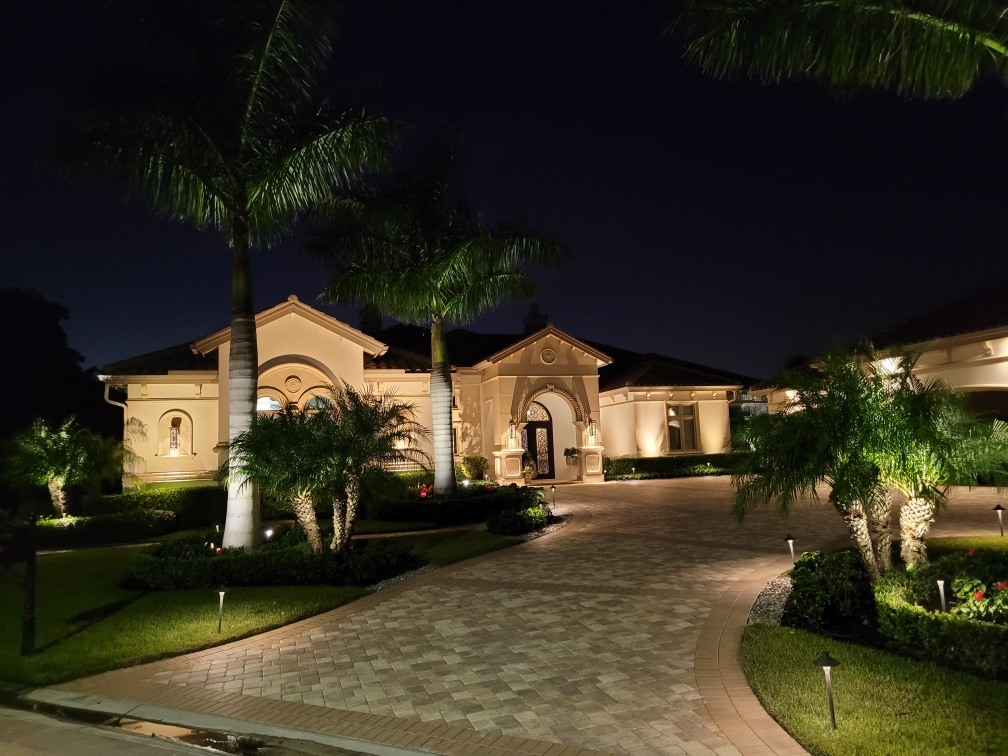
Why Your HOA Loves Landscape Lighting
While the bright Florida sunshine provides plenty of natural illumination for your property during daylight hours, the same cannot be said for nighttime. If you are a member of an HOA board, it is more than likely that you have spent a considerable amount of time managing your landscape, molding it into an attractive amenity […]
