
The Power of Mulch: Boosting Soil Health and Reducing Weeds
Mulch is one of the simplest yet most effective tools for maintaining a healthy and thriving landscape. Whether used in residential communities, HOAs, or commercial properties, mulch provides numerous benefits, from improving soil health to suppressing weeds and conserving moisture. In Florida’s warm climate, where landscapes endure high temperatures and seasonal rainfall, proper mulching can make all the difference in keeping plants strong and resilient.
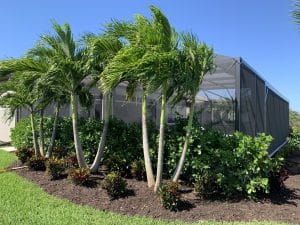
How Mulch Reduces Weed Growth
Weeds compete with desirable plants for nutrients, water, and sunlight, making them a persistent problem in many landscapes. Applying mulch helps combat weed growth in several ways:
- Blocking Sunlight: A thick layer of mulch prevents weed seeds from receiving the light they need to germinate.
- Suppressing Growth: Even if some weeds sprout, mulch creates a dense barrier that makes it harder for them to break through the surface.
- Improving Soil Conditions: Mulch maintains soil moisture and prevents compaction, creating an environment that favors healthy plant growth over invasive weeds.
For the best results, apply mulch at a depth of 2-3 inches. Too little won’t effectively suppress weeds, while too much can suffocate plant roots.
Types of Mulch for Florida Landscapes
Choosing the right type of mulch depends on aesthetic preferences, maintenance goals, and environmental factors. Here are some of the most popular options for Florida landscapes:
1. Organic Mulches
Organic mulch is derived from natural materials that break down over time, enriching the soil with nutrients. Common types include:
- Pine Bark Mulch: Long-lasting and visually appealing, pine bark is excellent for flower beds and tree rings.
- Cypress Mulch: Naturally resistant to pests and decomposition, cypress mulch is a great choice for Florida landscapes.
- Eucalyptus Mulch: Known for its pleasant aroma and insect-repelling properties, eucalyptus mulch is a sustainable option that decomposes slowly.
- Pine Straw: A lightweight, eco-friendly choice that helps acidify the soil, making it ideal for azaleas, camellias, and other acid-loving plants.
2. Inorganic Mulches
Inorganic mulch doesn’t break down over time, making it a low-maintenance option. However, it doesn’t contribute nutrients to the soil. Common types include:
- Rubber Mulch: Made from recycled tires, rubber mulch is durable and effective at preventing weed growth.
- Rock or Gravel Mulch: Stone-based mulches provide a modern, decorative look and are excellent for pathways and areas prone to erosion.
For Florida’s hot climate, organic mulch is often the best choice because it helps retain moisture, moderates soil temperature, and supports plant health.

Mulching Tips for Healthy Plants
Proper mulching techniques ensure that landscapes benefit fully from this protective layer. Here are some best practices for applying mulch effectively:
1. Keep Mulch Away from Plant Stems and Tree Trunks
Piling mulch against tree trunks or plant stems can trap moisture, leading to rot, pests, and fungal infections. Instead, create a small, mulch-free ring around the base of plants to allow air circulation.
2. Apply Mulch at the Right Depth
A layer of 2-3 inches is ideal for most landscapes. Applying too much mulch can suffocate plant roots, while too little won’t provide enough protection against weeds and moisture loss.
3. Refresh Mulch Regularly
Organic mulch decomposes over time, enriching the soil with nutrients. However, this also means it needs replenishing. Refresh mulch once or twice a year to maintain its effectiveness.
4. Choose the Right Color for Aesthetics
Mulch comes in various colors, including natural brown, red, and black. While color choice is mostly a matter of preference, darker mulches tend to retain more heat, which may affect plant roots in extreme temperatures.
5. Use Mulch to Improve Soil Health
As organic mulch breaks down, it adds valuable nutrients to the soil. To maximize this benefit, mix partially decomposed mulch into the topsoil before adding a fresh layer.
Best Mulching Practices for Summer
Summer in Florida brings intense heat, heavy rains, and high humidity—conditions
that can stress landscapes. Mulch helps mitigate these challenges by:
- Regulating Soil Temperature: A thick layer of mulch keeps soil cooler in the summer, reducing heat stress on plant roots.
- Retaining Moisture: Mulch reduces evaporation, ensuring plants have consistent access to water, even during dry spells.
- Preventing Soil Erosion: Heavy summer rains can wash away topsoil. Mulch acts as a protective barrier, helping to keep soil in place.
For optimal summer protection, apply mulch before peak heat sets in and ensure it is evenly spread throughout planting beds.

Enhance Your Landscape with Professional Mulching Services
Mulch is a simple yet powerful way to improve soil health, reduce weeds, and protect plants from Florida’s challenging climate. Whether you need fresh mulch installation, seasonal replenishment, or expert guidance on the best mulching practices for your property, Estate Landscaping is here to help.
Call us at 239-498-1187 or visit our Contact Us page to schedule a consultation and give your landscape the care it deserves!
Receive a Free Consultation!
Related Posts
March Maintenance: Why Tree Pruning Sets the Stage for Spring
Spring is on the horizon, bringing renewal and growth to Southwest Florida landscapes. For property owners, HOAs, and residential communities, March is the ideal time to focus on tree pruning, a vital component of spring maintenance. More than just a cosmetic upgrade, tree pruning sets the foundation for healthy growth, enhanced safety, and improved property […]

Rain Management: Ensuring Proper Landscape Drainage
Heavy rains are a reality here in Southwest Florida, and without proper drainage, even the most beautifully maintained landscapes can suffer. Water pooling in lawns, soggy plant beds, and erosion around walkways are more than just unsightly—they’re signs of a drainage system that needs professional attention. At Estate Landscaping, we specialize in designing and implementing […]

The Crucial Role of Proper Drainage in Landscape Management
Creating a stunning and sustainable landscape involves much more than planting trees and shrubs. One critical, yet often overlooked, aspect of effective landscape management is proper drainage. At Estate Landscaping, we recognize the importance of maintaining a well-drained landscape to ensure the health and longevity of your plants, as well as the overall beauty of […]
