
Storm-Resilient Irrigation: Protecting Your System from Power Surges and Flooding
In Florida, irrigation systems work year-round. They keep turf healthy, support plant performance, and maintain the consistent curb appeal HOA communities depend on. But during storm season, these systems become vulnerable. Power surges, flooding, lightning strikes, and saturated soils can cause significant damage—often without being immediately visible.
At Estate Landscaping, we believe irrigation planning should include protection and recovery. A truly effective system isn’t just efficient during calm weather—it’s built for resilience. With smart irrigation system protection strategies, HOAs can reduce costly repairs and restore performance quickly after severe weather.
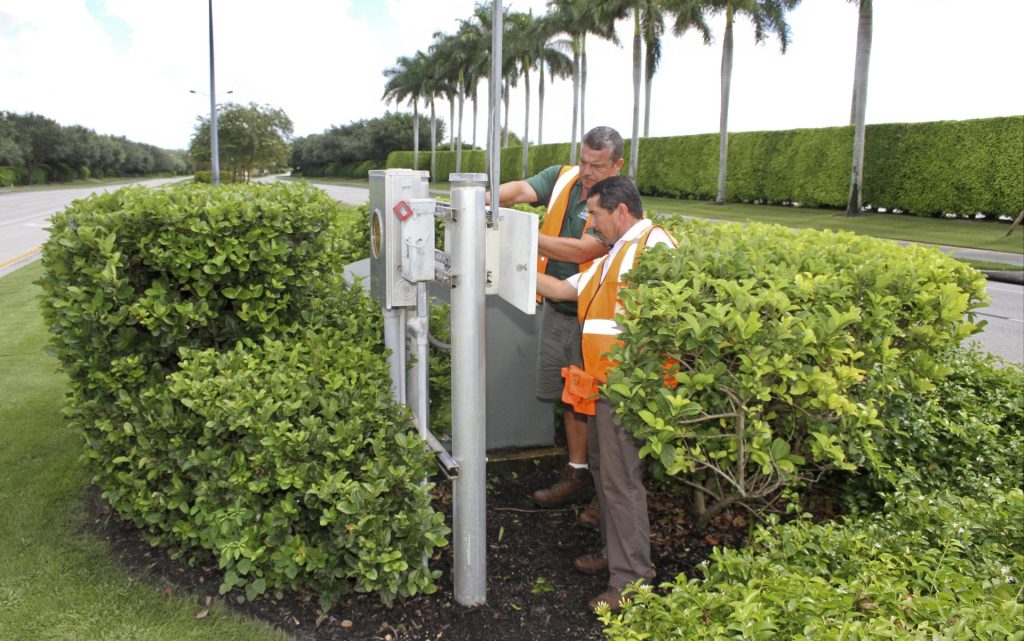
Why Storms Put Irrigation Systems at Risk
Electrical Vulnerability During Severe Weather
Irrigation controllers, timers, and pump systems are highly sensitive to electrical fluctuations. Lightning strikes and grid instability can create sudden surges that damage internal components.
Without proper surge protection for irrigation, communities may experience:
- Burned-out controllers
- Non-responsive zones
- Inconsistent watering schedules
- Costly emergency replacements
Electrical protection is often overlooked until failure occurs.
Flood Impacts on Irrigation Infrastructure
Heavy rainfall and rising water levels can submerge valves, wiring, and control boxes. Even brief flooding can compromise system performance.
Flood impacts on irrigation may include:
- Corroded wiring connections
- Shorted solenoids
- Debris-clogged valves
- Soil erosion around sprinkler heads
These issues can remain hidden until turf begins to decline.
Surge Protection for Irrigation Systems
Guarding Against Power Spikes
Installing proper surge protection shields irrigation controllers from voltage spikes caused by lightning or unstable power supply. This layer of defense helps prevent sudden system failure.
Benefits of surge protection include:
- Extended controller lifespan
- Reduced downtime after storms
- Lower emergency repair costs
- Improved system reliability
For HOA properties with expansive irrigation zones, this protection is especially critical.
Routine Inspection of Electrical Components
Even with surge protection in place, post-storm inspection is essential. Checking panels, wiring connections, and grounding systems ensures damage is detected early.
Preventive evaluation minimizes long-term system disruption.
Designing for Flood Resilience
Elevating and Protecting Controllers
Whenever possible, irrigation controllers should be positioned above potential flood levels. Protective enclosures can further reduce exposure to standing water.
Resilient irrigation design considers:
- Equipment placement
- Drainage around control areas
- Waterproof housing where appropriate
Small design decisions can significantly reduce flood-related damage.
Protecting Valves and Underground Components
Floodwaters can carry debris into valve boxes, affecting zone performance. Properly sealed and maintained valve enclosures help prevent contamination and corrosion.
Regular cleaning and inspection reduce long-term vulnerability.

Post-Storm Irrigation Checks Are Essential
Immediate System Evaluation
After a storm, irrigation systems should never simply resume normal scheduling without review. A comprehensive post-storm irrigation check ensures all zones function properly.
This evaluation includes:
- Testing each irrigation zone
- Inspecting heads for misalignment or clogging
- Checking for leaks or broken lines
- Reviewing controller programming
Addressing minor issues immediately prevents turf stress in the following weeks.
Adjusting for Saturated Soil Conditions
Storms often leave soil heavily saturated. Running irrigation too soon can worsen turf decline and create fungal pressure.
Smart post-storm management involves:
- Delaying watering until soil stabilizes
- Recalibrating schedules based on rainfall
- Monitoring turf recovery before resuming full cycles
Proper timing supports plant health and system longevity.
Soil Movement and Head Alignment
Stormwater Can Shift Irrigation Heads
Heavy rainfall and erosion can displace sprinkler heads, altering spray patterns. Misaligned heads waste water and create uneven turf conditions.
Routine post-storm adjustments:
- Realign spray coverage
- Prevent overspray into ponds or walkways
- Restore uniform distribution
Uniform coverage is essential for maintaining consistent HOA presentation.
Drainage and Irrigation Must Work Together
Managing Runoff Around Equipment
Irrigation infrastructure should never sit in areas prone to pooling water. Proper grading and drainage protect system components from prolonged exposure.
Coordinated landscape and irrigation planning ensures:
- Water flows away from control areas
- Soil remains stable around valves
- Equipment stays accessible for inspection
Integrated planning reduces system vulnerability.
Long-Term Resilient Irrigation Design
Planning Beyond Basic Function
Resilient irrigation design accounts for Florida’s climate realities. That means preparing for lightning, heavy rainfall, and rapid recovery needs.
Key elements include:
- Surge-protected controllers
- Strategic equipment placement
- Routine system audits
- Coordinated drainage planning
An irrigation system should be as durable as the landscape it supports.
Reducing Emergency Repair Costs
Proactive protection reduces the likelihood of large-scale system failure. HOA communities benefit from:
- Fewer surprise repair bills
- Faster recovery timelines
- More predictable budgeting
- Stronger long-term infrastructure performance
Storm resilience is both a safety and financial strategy.

Why Professional Oversight Matters
Irrigation systems are complex networks of electrical and mechanical components. After severe weather, even minor damage can affect multiple zones.
At Estate Landscaping, we integrate irrigation management into our broader landscape maintenance strategy. Our team conducts thorough inspections, recalibrates schedules, and ensures every component functions properly before turf health is impacted.
Resilience isn’t reactive—it’s planned.
Protect Your Irrigation System Before the Next Storm
Storm season is unavoidable in Florida. The question isn’t whether your irrigation system will face severe weather—it’s whether it’s prepared.
📞 Call Estate Landscaping at 239-498-1187 or visit our Contact Us page to schedule a storm-readiness irrigation evaluation.
Let’s protect your system, preserve your landscape, and ensure your community recovers quickly—no matter what the forecast brings.
Receive a Free Consultation!
Related Posts

Seasonal Pest Control: Staying Ahead of Infestations
In Southwest Florida, our lush landscapes aren’t just admired by residents—they’re also prime real estate for pests. From chewing insects to sap-suckers and fungal invaders, our climate supports a wide variety of landscape pests throughout the year. That’s why seasonal pest control isn’t optional—it’s essential. At Estate Landscaping, we take a proactive, year-round approach to […]
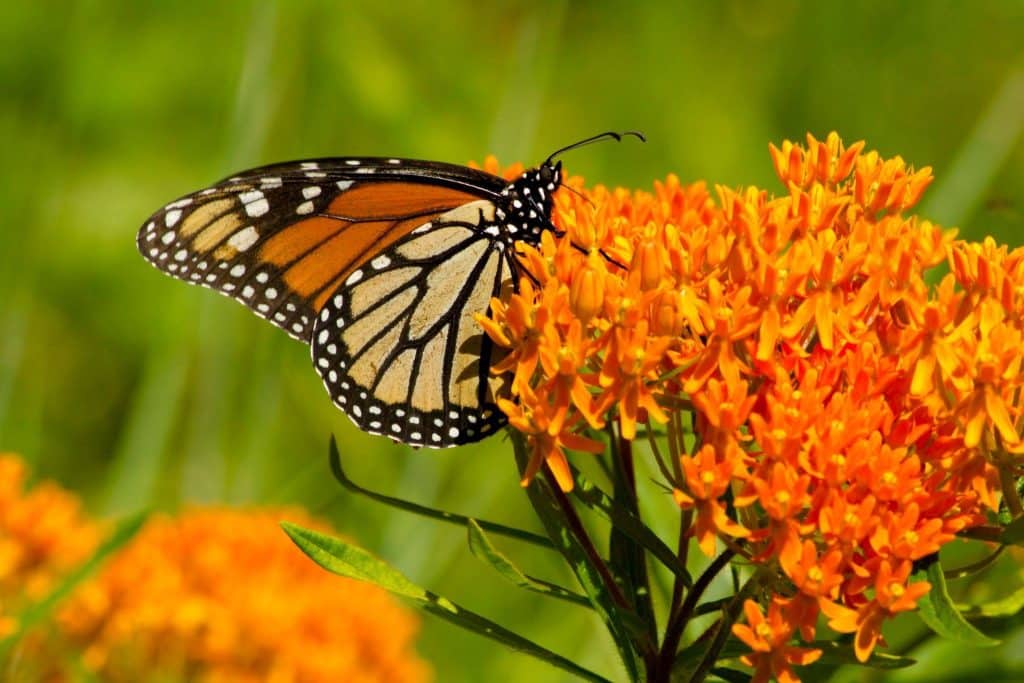
Welcoming Wildlife, Managing Risk: Bird and Butterfly Friendly Landscaping for Communities
In Southwest Florida, wildlife is part of everyday life. Birds, butterflies, and beneficial pollinators add movement, color, and seasonal interest to HOA landscapes. When designed thoughtfully, wildlife-friendly spaces enhance community character and resident enjoyment. However, inviting nature into shared spaces must be done responsibly. Poorly planned habitats can create maintenance challenges, obstruct sightlines, or conflict […]

Celebrating Excellence: Estate Landscaping Wins Two Prestigious NALP Awards
At Estate Landscaping & Lawn Management, we’ve always strived to set the bar high when creating and maintaining beautiful, healthy landscapes across Southwest Florida. Today, we’re incredibly proud to announce that the National Association of Landscape Professionals (NALP) has recognized our commitment to excellence with not one but two major awards: the Silver Award of […]
