
Pollinator-Friendly Landscapes That Still Keep Your HOA Happy
Pollinators play a vital role in Florida’s ecosystems, but when HOA communities hear the term “pollinator-friendly,” concerns often follow. Will it look unkempt? Will it conflict with HOA guidelines? Will maintenance become more complicated? The good news is that pollinator-friendly landscapes don’t have to look wild or unmanaged to be effective.
At Estate Landscaping, we design landscapes that support pollinators while maintaining the clean, polished appearance HOAs expect. With thoughtful plant selection, strategic placement, and consistent maintenance, it’s possible to create landscapes that benefit the environment and keep boards and residents confident in the results.
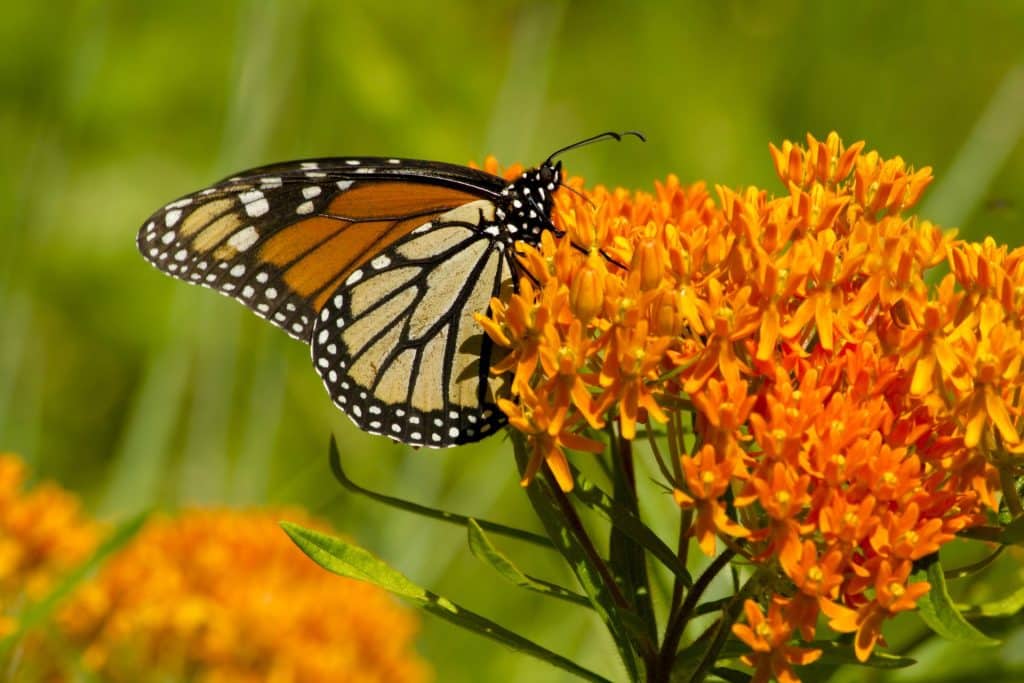

Why Pollinators Matter in Florida Landscapes
The Role Pollinators Play Year-Round
Florida’s climate supports pollinator activity throughout the year. Bees, butterflies, and other beneficial insects contribute to plant health, flowering cycles, and overall landscape vitality.
Incorporating pollinator-supporting elements into HOA landscapes can:
- Improve plant performance
- Encourage natural balance within the landscape
- Support Florida-Friendly landscaping goals
Healthy ecosystems and attractive landscapes go hand in hand when managed correctly.
Pollinator Gardens for HOAs: Structure Is Key
Designed, Not Wild
One of the biggest misconceptions about pollinator gardens for HOAs is that they must look natural or overgrown. In reality, HOA-friendly pollinator areas are carefully designed with structure, spacing, and visual order in mind.
Key design principles include:
- Defined planting areas
- Clean edges between turf and beds
- Consistent plant height and spacing
This approach delivers the environmental benefits of pollinator support without sacrificing curb appeal.
Strategic Placement in Common Areas
Pollinator-friendly plantings are most successful when placed in appropriate locations, such as:
- Entry features
- Common area landscape beds
- Perimeter zones
By positioning these areas thoughtfully, HOAs can enhance visual interest while maintaining clear, open spaces throughout the community.
Florida-Friendly Pollinator Plants That Stay HOA-Compliant
Choosing the Right Plants
Plant selection is the foundation of any successful pollinator-friendly landscape. Florida-friendly pollinator plants are well-suited to the climate, require fewer inputs, and maintain a consistent appearance year-round.
These plants are selected for:
- Predictable growth habits
- Seasonal color and flowering
- Compatibility with HOA design standards
When chosen correctly, they integrate seamlessly into existing landscapes.
Supporting Butterflies Without Visual Clutter
Butterfly-friendly landscaping doesn’t mean overcrowded beds or unpredictable growth. Well-planned plant groupings provide nectar sources while maintaining symmetry and balance.
This allows communities to:
- Support butterfly populations
- Add color and movement to landscapes
- Maintain a refined, uniform appearance
Addressing Bee Habitats the Right Way
Supporting Bees Without Creating Concerns
When people hear about bee habitats, they often worry about safety or resident discomfort. In HOA landscapes, bee support focuses on plant selection rather than unmanaged habitat areas.
By encouraging natural foraging through flowering plants, communities can:
- Support bee populations
- Avoid disruptive or unmanaged spaces
- Maintain resident peace of mind
Proper planning ensures pollinator support enhances the landscape rather than creating issues.

Neat and Tidy Landscape Design Makes the Difference
Maintenance Is What Keeps HOAs Comfortable
The success of pollinator-friendly landscapes in HOAs depends heavily on maintenance. Neat and tidy landscape design paired with consistent care ensures these areas always look intentional.
Professional maintenance includes:
- Regular pruning to maintain shape
- Seasonal bed cleanups
- Monitoring plant health and appearance
Well-maintained pollinator areas are indistinguishable from traditional landscape beds—except they offer added ecological benefits.
Avoiding the “Overgrown” Look
HOA boards often hesitate to approve pollinator-focused designs due to concerns about disorder. Structured layouts, consistent mulch coverage, and clean lines eliminate that risk.
The result is a landscape that:
- Looks professionally managed
- Meets HOA expectations
- Supports environmental goals
Pollinator-Friendly Landscaping and HOA Guidelines
Aligning With Community Standards
Every HOA has its own rules regarding appearance and maintenance. Pollinator-friendly landscapes must be designed with these standards in mind from the start.
Successful integration requires:
- Clear design intent
- Uniform plant selections
- Ongoing oversight
Working with a professional team ensures compliance while still achieving pollinator benefits.
Long-Term Benefits for HOA Communities
A Smarter Approach to Sustainability
Pollinator-friendly landscaping supports broader sustainability goals without increasing complexity. When paired with Florida-Friendly practices, these landscapes often require fewer resources while delivering stronger long-term performance.
Benefits include:
- Improved plant health
- Reduced need for replacements
- Enhanced community image
Residents appreciate landscapes that are both beautiful and responsibly managed.
Why Professional Planning Matters
Pollinator-friendly landscapes succeed in HOA communities when design, installation, and maintenance work together seamlessly.
At Estate Landscaping, we understand how to balance environmental responsibility with HOA expectations. Our team creates landscapes that support pollinators while maintaining the refined, consistent look communities demand.
Let’s Create a Landscape That Works for Nature and Your HOA
Supporting pollinators doesn’t mean compromising appearance. With the right approach, your HOA can enjoy landscapes that are attractive, compliant, and environmentally responsible.
📞 Call Estate Landscaping at 239-498-1187 or connect with us through our Contact Us page to explore pollinator-friendly solutions designed specifically for HOA communities.
Together, we’ll create a landscape that keeps your HOA happy—and helps Florida’s pollinators thrive.
Receive a Free Consultation!
Related Posts

How to Use Color Effectively in Your HOA Landscape Design
Color is a powerful tool in commercial landscape design, enhancing curb appeal, creating a welcoming environment, and conveying a sense of vibrancy and care. With the right color choices, your landscape can make a strong, positive impression on visitors, residents, and tenants. Here’s how to use color effectively in your commercial landscape to create a […]

2026 Landscape Trends: Smarter, Greener Outdoor Spaces for Florida Communities
As we move into 2026, landscape expectations across Florida communities are evolving faster than ever. HOA boards, property managers, and homeowners are no longer focused solely on keeping landscapes neat—they want smarter systems, greener practices, and outdoor spaces that add real value year-round. In Florida, where landscapes never truly go dormant, staying ahead of trends […]

Wrapping Up: Post-Holiday Landscape Care Made Easy
The holiday season brings joy, celebration, and plenty of festive decorations. From twinkling lights to holiday planters, many communities and homeowners go above and beyond to create cheerful outdoor spaces. But when the celebrations come to an end, properties often need extra attention to recover from the season. Post-holiday landscape care is about more than […]
