
Planning for the “After”: Building Post-Storm Recovery into Your Landscape Design
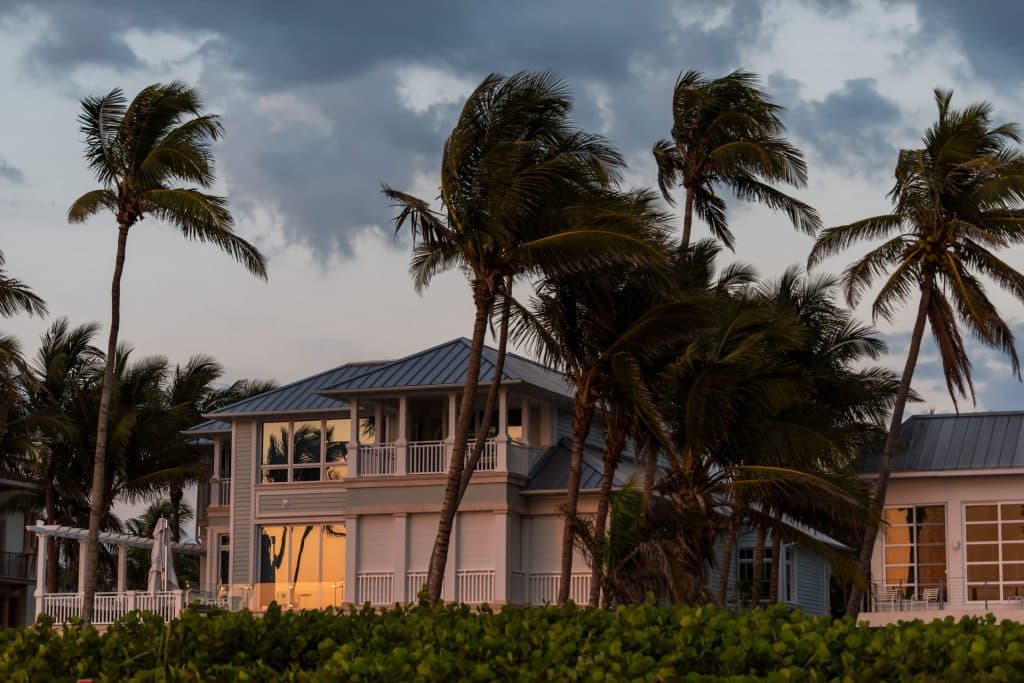
In Florida, storm preparation is part of responsible property management. But while many communities focus on bracing for impact, fewer plan for what happens next. The days and weeks following a major storm often determine how quickly a property returns to normal—and how much long-term damage is avoided.
At Estate Landscaping, we believe smart design includes planning for recovery. By integrating post-storm recovery planning into your overall landscape strategy, HOAs can minimize disruption, reduce costs, and restore curb appeal faster after severe weather.
Storm readiness isn’t just about surviving the event. It’s about recovering with strength and stability.

Why Post-Storm Planning Matters for HOAs
Recovery Time Impacts Resident Confidence
After a storm passes, residents immediately evaluate the condition of their community. Downed limbs, damaged turf, and declining plant material can create frustration and safety concerns.
Without a recovery strategy in place, communities often experience:
- Extended cleanup timelines
- Unplanned budget strain
- Delayed landscape restoration
- Reduced curb appeal
Planning for recovery ensures action begins quickly and efficiently.
Florida’s Climate Demands Proactive Thinking
With Florida hurricane season prep becoming an annual priority, landscape strategies must account for high winds, heavy rainfall, and saturated soils. Recovery is not optional—it’s inevitable.
Designing with resilience in mind reduces both immediate damage and long-term impact.
What Is Resilient Landscape Design?
Resilient landscape design focuses on minimizing damage during storms and accelerating recovery afterward. It considers plant selection, placement, drainage, and structural strength.
Key elements include:
- Strategic tree placement and structural pruning
- Proper spacing to reduce wind resistance
- Soil health to support root stability
- Efficient drainage systems to manage excess water
Resilience is built into the landscape long before a storm arrives.
Tree Strategy: The First Line of Defense
Proactive Arbor Care Reduces Risk
Trees provide shade and structure, but they are also the most vulnerable elements during high winds. Regular structural pruning reduces canopy density and improves wind flow through the tree.
Proactive arbor care helps:
- Reduce limb breakage
- Improve tree stability
- Minimize debris hazards
- Protect surrounding turf and plant beds
An on-staff arborist perspective ensures trees remain assets—not liabilities.
Planning for Canopy Recovery
Even healthy trees may lose limbs during severe weather. Proper pruning before storm season encourages stronger regrowth and quicker canopy recovery afterward.
Redundancy in Plantings: Strength Through Diversity
Avoiding Single-Point Failures
One overlooked recovery strategy is redundancy in plantings. When a landscape relies heavily on a single plant type or focal feature, storm damage can dramatically alter appearance.
Diversified plant selections:
- Reduce widespread loss
- Maintain visual balance after damage
- Improve overall resilience
If one species struggles, others maintain structure and color.
Layered Design Supports Stability
Layered planting designs—combining turf, shrubs, and trees—create structural depth. This not only enhances aesthetics but also reduces the visual impact of localized damage.

Drainage and Soil Health: The Hidden Recovery Factors
Managing Saturation After Heavy Rain
Storms often bring intense rainfall that saturates soil and stresses turf. Poor drainage can lead to:
- Root rot
- Turf decline
- Standing water
- Soil erosion
Designing with proper grading and drainage allows water to move efficiently, reducing post-storm deterioration.
Healthy Soil Encourages Faster Recovery
Strong root systems anchored in healthy soil recover faster after wind and rain stress. Ongoing fertilization and soil management support resilience long before a storm hits.
Quick Recovery Strategies for HOA Communities
Rapid Debris Removal
Immediate cleanup reduces safety hazards and prevents secondary damage to turf and plant material. A coordinated response plan ensures crews can prioritize high-traffic areas first.
Turf Assessment and Stabilization
After heavy rain and wind, turf may require:
- Soil leveling
- Recompaction correction
- Nutrient support
- Irrigation recalibration
Quick action helps prevent long-term thinning or erosion.
Plant Health Monitoring
Shrubs and ornamental plants may experience stress or breakage. Early evaluation determines whether pruning, support, or replacement is needed.
The faster these steps occur, the faster the landscape regains its professional appearance.
Florida Hurricane Season Prep Starts With Design
Preparation isn’t limited to sandbags and inspections. True Florida hurricane season prep integrates storm awareness into everyday landscape management.
This includes:
- Maintaining appropriate tree canopy structure
- Avoiding overcrowded plantings
- Reinforcing vulnerable turf zones
- Evaluating drainage flow patterns
When design and maintenance align, storm recovery becomes more predictable.
Minimizing Long-Term Costs Through Planning
Reactive recovery often leads to higher expenses. Emergency removals, large-scale plant replacement, and turf reconstruction strain HOA budgets.
By contrast, proactive planning:
- Reduces major tree failures
- Limits widespread plant loss
- Improves turf resilience
- Controls recovery timelines
Resilient landscapes protect both property value and financial stability.
Maintaining Visual Consistency After a Storm
One of the biggest concerns for HOA boards is how quickly the property regains its uniform appearance. Structured, well-planned landscapes recover visually faster because:
- Plantings are spaced properly
- Turf density is strong
- Drainage prevents prolonged damage
- Replacement planning is streamlined
A resilient design prevents one storm from undoing years of landscape development.

Why Professional Oversight Makes the Difference
Post-storm recovery requires coordination across arbor care, irrigation management, fertilization, and turf repair. Without experienced oversight, small issues can compound into larger problems.
At Estate Landscaping, we incorporate recovery planning into every phase of landscape management. Our team understands Florida’s climate patterns and designs HOA landscapes to withstand—and rebound from—severe weather.
Resilience isn’t accidental. It’s intentional.
Build a Landscape That’s Ready for What Comes Next
Storms are part of life in Florida. The difference between disruption and stability lies in how well your landscape is prepared for the aftermath.
📞 Call Estate Landscaping at 239-498-1187 or visit our Contact Us page to discuss resilient landscape strategies and post-storm recovery planning for your HOA community.
Let’s design a landscape that doesn’t just weather the storm—but recovers stronger than before.
Receive a Free Consultation!
Related Posts

Smart Watering: Spring Irrigation Tips for a Thriving, Efficient Landscape
Spring in Southwest Florida is a time of growth, but as temperatures rise, so do the demands on your irrigation system. Keeping your landscape lush and healthy requires more than just turning on the sprinklers—it’s about using water efficiently and effectively to nourish your lawn and plants. Smart watering not only ensures a thriving landscape […]

Healthy Growth: Timing Fertilization for Maximum Impact
In Southwest Florida, we enjoy the beauty of green, growing landscapes year-round. But that continuous growth doesn’t happen on its own—it requires consistent care and expert attention. Without proper fertilization, turfgrass weakens, shrubs underperform, and landscapes lose the curb appeal that communities rely on to make a strong first impression. At Estate Landscaping, we specialize […]
How to set your Irrigation Clocks in the summer
Your irrigation system has a timed controller that controls when the water is dispersed and the amount of water that is supplied to different areas around your property. The controller for these systems has the ultimate control over the hydration of your plants. You must also remember that you control the controller. You have the […]
