
Feeding for Growth: Benefits of Winter Fertilization
In much of the country, winter means dormant lawns and barren gardens. But here in Southwest Florida, landscapes remain active and continue to grow, even during the cooler months. While growth slows compared to the summer season, lawns and ornamentals still need proper nutrition to stay strong, vibrant, and resilient.
That’s where winter fertilization comes in. By providing the right nutrients at the right time, property owners can protect the health of their landscapes and set them up for lush growth when spring arrives. At Estate Landscaping, we know that fertilization is one of the most important steps in keeping landscapes thriving all year long.

The Benefits of Winter Fertilization for Healthy Lawns
Even though grass and plants may appear less active in winter, important growth is still happening below the surface. Fertilization during this time supports the processes that aren’t always visible but are vital for long-term health.
- Root Development – Cooler months are when roots grow stronger and deeper. Fertilizer supports this underground activity, giving lawns and plants a solid foundation for future growth.
- Improved Stress Resistance – Proper nutrition helps turf and ornamentals withstand temperature fluctuations, drier conditions, and pest pressures that can occur in winter.
- Enhanced Color and Appearance – Lawns fertilized in winter retain a healthy green hue instead of fading or thinning, which is especially important for HOAs and communities that prioritize curb appeal.
- Head Start for Spring – By fertilizing in winter, you ensure your lawn is ready to take advantage of spring’s optimal growing conditions, leading to quicker recovery and a fuller landscape.
Best Practices for Fertilizing in Cooler Months
Winter fertilization requires a different approach than summer feeding. With slower growth rates, the focus shifts from rapid leaf production to root strength and resilience. Here are some best practices we follow:
- Time It Right – Fertilizing too late into winter can be less effective, as plants and lawns won’t absorb nutrients efficiently. In Florida, the best time is during the early to mid-winter window when temperatures have cooled but growth hasn’t fully slowed.
- Use the Correct Nutrient Blend – Winter fertilizers are typically lower in nitrogen and higher in potassium, supporting roots rather than top growth.
- Water Properly – Fertilizer needs water to activate. A well-timed irrigation cycle after application ensures nutrients reach the root zone.
- Avoid Over-Fertilizing – Too much fertilizer can stress plants, increase disease risks, and lead to nutrient runoff. Precision is key.
- Hire a Professional – Because Florida’s regulations and soil conditions are unique, working with a professional team ensures your property receives the right treatment at the right time.
Boosting Plant Growth with Seasonal Nutrients
While lawns are often the focus, ornamentals, shrubs, and trees also benefit from winter fertilization. Nutrient support during cooler months helps these plants maintain vigor and prepare for the growing season ahead.
- Potassium for Strength – Potassium is critical for improving stress tolerance, disease resistance, and root health. It’s one of the most valuable nutrients for winter applications.
- Phosphorus for Root Growth – In landscapes where phosphorus is permitted, this nutrient helps develop stronger root systems, especially for young or newly installed plants.
- Micronutrients for Balance – Iron, magnesium, and manganese help maintain vibrant leaf color and prevent deficiencies that can become visible in winter.
- Slow-Release Fertilizers – Using controlled-release formulas ensures plants receive steady nutrition without overstimulation.
By giving both turf and ornamentals the right blend of nutrients, landscapes remain healthy and better prepared for seasonal changes.
Choosing the Right Fertilizer for Winter Landscaping
Selecting the proper fertilizer is just as important as applying it at the right time. The wrong choice can waste resources, harm plants, or even damage the environment. At Estate Landscaping, we carefully match fertilizers to the unique needs of each property.
When choosing fertilizers for winter:
- Look for Lower Nitrogen – Nitrogen promotes top growth, which is less important in winter. Instead, the emphasis should be on root health.
- Prioritize Potassium – Potassium-rich blends provide strength and resilience, making turf and plants more adaptable to stress.
- Consider Local Regulations – Fertilizer use in Florida is regulated to protect waterways. We ensure compliance with all regional guidelines while still delivering effective results.
- Match to Grass Type – St. Augustine, Bermuda, and Zoysia each respond differently to nutrient applications. Customized programs ensure optimal results.
- Use Professional-Grade Products – Not all fertilizers are created equal. Professional formulas deliver more consistent results than many off-the-shelf options.
Winter Fertilization for HOAs and Communities
For HOAs and residential communities, winter fertilization provides more than just plant health — it ensures consistent curb appeal, resident satisfaction, and property value. A brown or thinning lawn can negatively impact how a community is perceived, especially during the busy winter season when seasonal residents return.
By prioritizing fertilization, property managers and boards:
- Maintain vibrant, green common areas that reflect community pride.
- Protect landscape investments by ensuring trees, shrubs, and lawns remain strong year-round.
- Reduce future maintenance costs by preventing nutrient deficiencies that can lead to plant replacement.
- Improve safety by keeping turf dense and healthy, which reduces erosion and uneven surfaces.

Long-Term Payoff of Seasonal Fertilization
The true benefits of winter fertilization go beyond the cooler months. By keeping roots strong and plants nourished now, you’re ensuring healthier, more resilient landscapes for the year to come.
- Healthier Spring Growth – Lawns and ornamentals “wake up” in spring with stronger roots and faster recovery.
- Reduced Pest and Disease Issues – Proper nutrition helps plants resist common Florida lawn pests and fungal diseases.
- Lower Long-Term Costs – Healthy plants live longer and require less frequent replacement, protecting landscaping budgets.
- Sustained Property Value – For communities and commercial properties, a thriving landscape is one of the biggest contributors to curb appeal and overall value.
Nourish Your Landscape This Winter with Estate Landscaping
Fertilization isn’t just a summertime task — it’s a year-round necessity in Florida. By giving your lawn and plants the right nutrients during the cooler months, you’re preparing them for stronger growth, improved resilience, and lasting beauty.
At Estate Landscaping, we specialize in creating customized fertilization programs that match your property’s unique needs, ensuring healthy, thriving landscapes every season of the year.
Give your property the nourishment it deserves this winter. Call us today at 239-498-1187 or visit our Contact Us page to learn more about our professional fertilization services.
Receive a Free Consultation!
Related Posts

Illuminate Your Outdoors: Landscape Lighting Tips
A well-designed landscape can truly come to life under the magical glow of landscape lighting. Whether you own a commercial property or cherish your residential space, outdoor lighting adds a touch of enchantment and elegance to your outdoor environment. At Estate Landscaping, we understand the transformative power of landscape lighting and are delighted to share […]

The Crucial Role of Proper Drainage in Landscape Management
Creating a stunning and sustainable landscape involves much more than planting trees and shrubs. One critical, yet often overlooked, aspect of effective landscape management is proper drainage. At Estate Landscaping, we recognize the importance of maintaining a well-drained landscape to ensure the health and longevity of your plants, as well as the overall beauty of […]
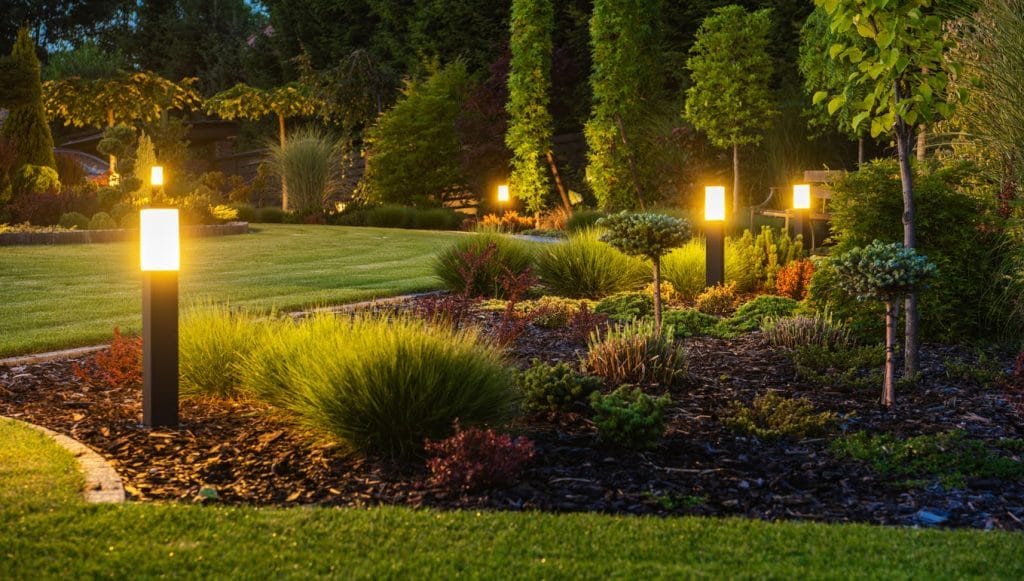
The Benefits of Installing Landscape Lighting on Commercial Properties
Landscape lighting can transform a commercial property, enhancing both its beauty and safety. Well-planned lighting not only highlights key features of the landscape but also improves security, making your property inviting and accessible after dark. Here’s why landscape lighting is a valuable addition for any commercial property and how it can elevate your space. Boost […]