
Landscapes That Help in Emergencies: Clear Access, Safe Visibility, and Wayfinding
When people think about landscape design, they often focus on beauty, curb appeal, and maintenance. But in HOA communities, landscapes serve another critical purpose—supporting safety during emergencies. Whether it’s a medical response, fire, or severe weather event, first responders rely on clear access and visibility to do their jobs quickly and effectively.
At Estate Landscaping, we believe landscapes should work when it matters most. Through thoughtful emergency access design, clear sightlines, and strategic lighting, HOA communities can enhance both everyday safety and emergency readiness—without sacrificing aesthetics.

Why Emergency-Focused Landscape Planning Matters
Seconds Count in Emergencies
In urgent situations, delays caused by obstructed entrances, blocked signage, or poor visibility can slow response times. Overgrown shrubs, low tree canopies, and unclear pathways create unnecessary obstacles.
A well-planned landscape helps ensure:
- Clear access for emergency vehicles
- Visible building numbers and signage
- Unobstructed views at intersections
- Safe movement through common areas
Emergency-friendly landscapes are not dramatic or complicated—they are intentional.
Emergency Access Design Starts at the Entrance
Keeping Gateways and Drives Clear
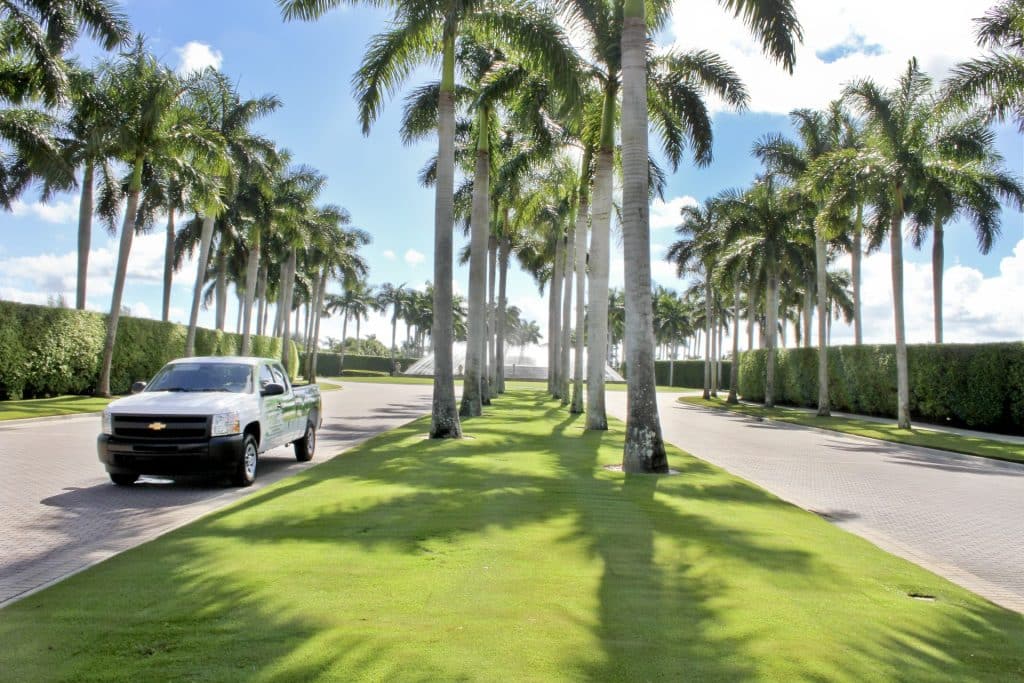
Community entrances are the first point of contact for emergency personnel. Overgrown plant material near gates or along drive lanes can limit maneuverability and visibility.
Smart emergency access design includes:
- Maintaining proper clearance along entry drives
- Preventing plant encroachment into vehicle lanes
- Ensuring signage remains visible at all times
- Monitoring tree canopy height above roadways
Consistent maintenance ensures that access points remain functional year-round.
Clear Sightlines Improve Both Safety and Confidence
Why Visibility Matters
Clear sightlines allow residents, visitors, and first responders to see what’s ahead—whether approaching an intersection, amenity area, or building entrance.
Overgrown shrubs and poorly maintained hedges can:
- Block visibility at corners
- Create blind spots along walking paths
- Obstruct directional signage
- Reduce nighttime confidence
Routine pruning and thoughtful plant placement maintain open views without compromising landscape design.
Tree Management for Safe Clearance
Tree limbs that hang too low over streets or sidewalks can interfere with vehicles and pedestrians. Structural pruning ensures:
- Adequate vertical clearance
- Balanced canopy growth
- Reduced storm-related breakage
Healthy, well-maintained trees support both safety and curb appeal.
Wayfinding Landscaping That Guides Movement
Landscapes as Directional Tools
Wayfinding landscaping uses plant placement, open space, and visual cues to guide people naturally through a property. In large HOA communities, this becomes especially important during emergencies.
Effective wayfinding design includes:
- Framing entrances clearly
- Keeping signage visible from multiple angles
- Avoiding dense plantings that confuse pathways
- Creating intuitive visual flow between spaces
When residents and responders can easily orient themselves, response efficiency improves.
Consistency Across the Property
Uniform landscape design across entrances, roadways, and amenity areas prevents confusion. Predictable layouts help both residents and emergency personnel navigate quickly under pressure.
Landscape Lighting for Safety and Visibility
Lighting That Supports Emergency Response
Proper landscape lighting for safety improves nighttime visibility without overwhelming the environment. Key areas to illuminate include:
- Community entrances
- Building numbers and signage
- Walking paths and intersections
- Amenity areas
Balanced lighting reduces shadows and improves depth perception—critical during emergency access.
Avoiding Glare and Overlighting
Effective lighting should enhance visibility, not create harsh glare or deep shadow pockets. Strategic placement and regular maintenance ensure consistent performance.
Lighting must evolve alongside plant growth to remain effective year-round.

First Responder Friendly Design in HOA Communities
Thinking Beyond Aesthetics
First responder friendly design focuses on practical function. Landscapes should support fire trucks, ambulances, and maintenance vehicles without obstruction.
Important considerations include:
- Maintaining adequate road width clearance
- Avoiding tight planting clusters near drive lanes
- Ensuring hydrants remain fully visible and accessible
- Monitoring plant growth around utility access points
Proactive oversight prevents minor issues from becoming critical access barriers.
Amenity Areas and Emergency Preparedness
Dog parks, playgrounds, and gathering spaces must also remain accessible in case of emergency. Dense plantings around these areas can limit visibility and slow response.
Maintaining open sightlines and clear pathways ensures:
- Safe evacuation routes
- Efficient medical access
- Reduced panic during high-stress situations
Design should prioritize safety without making spaces feel sterile or overexposed.
Storm Preparedness and Emergency Landscaping
Florida weather adds another layer of complexity. Landscapes must remain accessible after storms, when fallen limbs and debris are most likely.
Proactive tree care and structural pruning:
- Reduce post-storm blockages
- Improve recovery speed
- Minimize hazards along roadways
Emergency access planning includes preparing for both the event and the aftermath.
Routine Inspections Protect Emergency Readiness
Emergency-friendly landscapes require consistent monitoring. Growth happens quickly in Southwest Florida, and what is clear today may be obstructed next month.
Routine inspections should evaluate:
- Signage visibility
- Roadway clearance
- Tree canopy height
- Shrub encroachment near corners
Small adjustments prevent larger safety concerns.
Protecting Liability and Community Confidence
Landscapes that obstruct visibility or limit access increase liability risks for HOA boards. Clear access and visibility demonstrate responsible management and proactive oversight.
Communities benefit from:
- Reduced accident potential
- Improved resident confidence
- Stronger safety perception
- Better overall property presentation
When landscapes support safety, they reinforce trust.
Why Professional Oversight Makes the Difference
Emergency-ready landscapes require coordination between pruning, irrigation management, lighting maintenance, and long-term plant selection.
At Estate Landscaping, we design and maintain landscapes that balance beauty with function. Our HOA-focused approach ensures emergency access remains clear, sightlines stay open, and wayfinding elements guide movement naturally.
Safety is not separate from design—it is built into it.
Let’s Strengthen Your Community’s Emergency Readiness
If your HOA wants to improve emergency access, visibility, and safety across the property, proactive landscape planning is the place to start.
📞 Call Estate Landscaping at 239-498-1187 or visit our Contact Us page to schedule a property evaluation.
Let’s create landscapes that look beautiful every day—and perform when it matters most.
Receive a Free Consultation!
Related Posts
Fertilizer Blackout Season Is Here—Here’s How We Keep Your Landscape Thriving
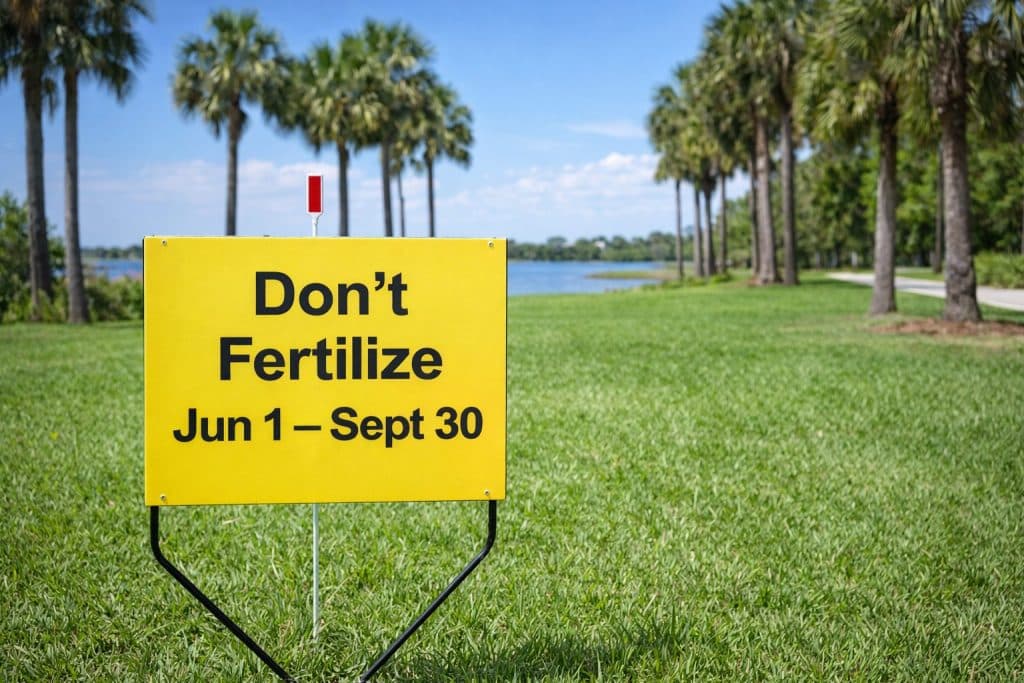
In Lee County, the fertilizer blackout from June 1 through September 30 is essential for protecting our waterways during the rainy season. While nitrogen and phosphorus restrictions help prevent harmful runoff, they can make maintaining a lush landscape more challenging. At Estate Landscaping, we take a proactive approach to keep HOA and residential communities looking […]
Why Early Pest Control Planning Is Essential for Florida Landscapes
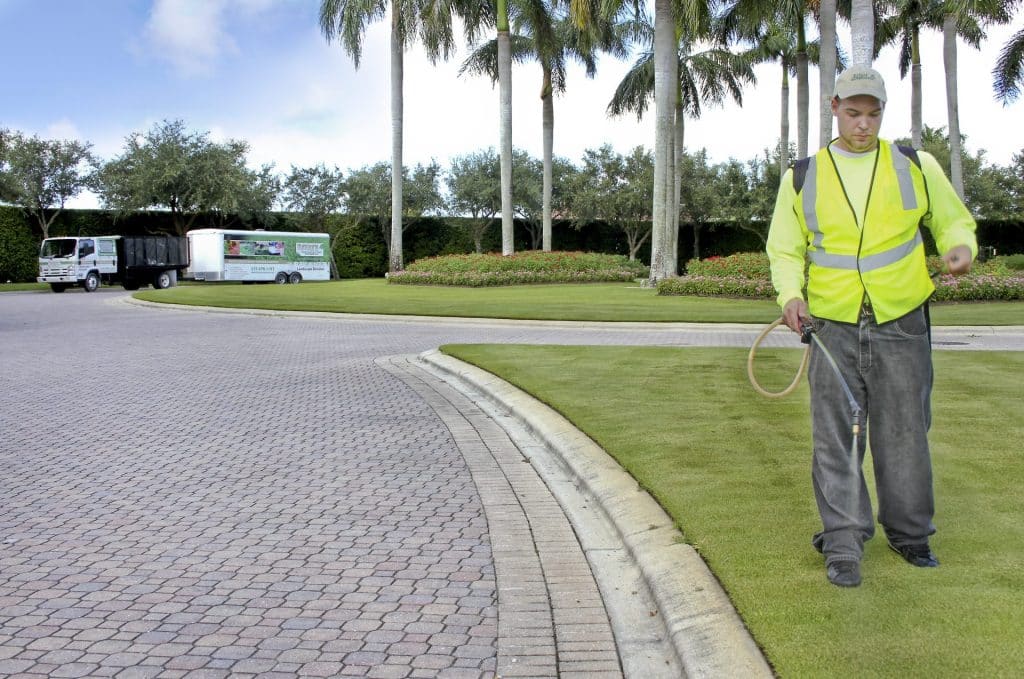
In Florida, landscape pests don’t wait for a “season” to arrive. With warm temperatures and active growth throughout the year, insects and turf diseases can establish themselves quickly and spread before they’re even noticed. That’s why early pest control planning is one of the most important steps HOA boards and homeowners can take to protect […]
Know Your Trees: Why a Tree Inventory Matters Before Storm Season
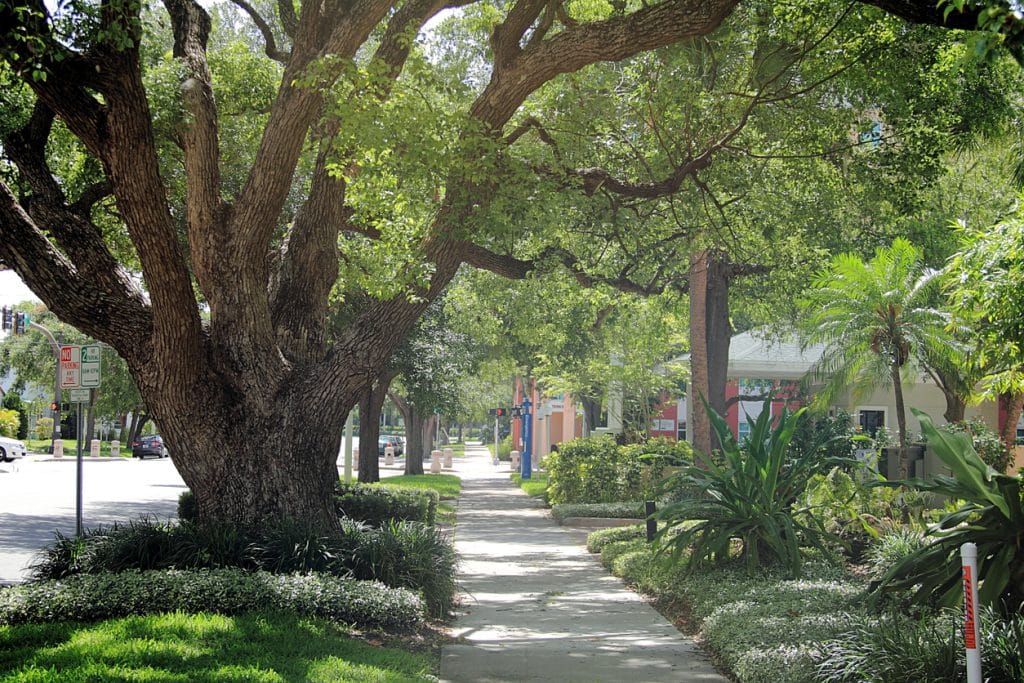
In Southwest Florida, storm season is not a “maybe”—it’s a yearly reality. From strong winds and heavy rain to saturated soil and lightning, our weather can test every part of a property. Most communities and commercial sites prepare with drainage checks, irrigation inspections, and emergency response planning. But there’s one major risk that is often […]
