
Lasting Color: Using Natives and Perennials for Long-Term Spring Impact
Spring is one of the most visually important times of year for Florida communities. Residents notice color, density, and overall presentation more than ever—and HOA boards feel the pressure to deliver strong curb appeal without increasing maintenance demands. The challenge is achieving seasonal impact that doesn’t fade quickly or require constant replacement.
At Estate Landscaping, we focus on sustainable, long-term solutions. By using native perennials and climate-adapted plants, we help HOAs achieve lasting spring color that performs well beyond a single season. The result is a landscape that looks vibrant, stays consistent, and supports smarter maintenance year after year.

Why Spring Color Needs a Long-Term Strategy
Short-Term Color Comes at a Cost
Traditional seasonal color rotations can deliver an immediate visual boost, but they often come with higher labor, replacement costs, and inconsistent performance—especially in Florida’s year-round growing environment.
For HOA communities, overreliance on short-lived plant material can lead to:
- Frequent replanting
- Increased irrigation demand
- Inconsistent appearance between updates
A long-term approach reduces disruption while maintaining strong visual impact.
Florida Landscapes Don’t Reset Each Season
Because Florida landscapes never go dormant, spring design should complement what’s already growing—not replace it. Perennials and natives build on existing structure, creating continuity from season to season instead of a constant start-and-stop cycle.
Native Perennials Florida Communities Can Rely On
Built for Florida Conditions
Native perennials in Florida are naturally adapted to local soils, temperatures, and rainfall patterns. This makes them ideal for long-term spring color in HOA landscapes.
Benefits include:
- Predictable growth habits
- Improved resilience during weather fluctuations
- Reduced need for constant replacement
When properly selected, native perennials provide reliable color without excessive input.
Consistency Matters in HOAs
Uniformity is critical in HOA environments. Native perennials offer consistency in height, spread, and bloom cycles when used thoughtfully across common areas and entrances.
This helps communities maintain:
- A cohesive appearance
- Predictable maintenance schedules
- Strong visual balance throughout the property
Creating Long-Lasting Landscape Color
Color That Builds, Not Fades
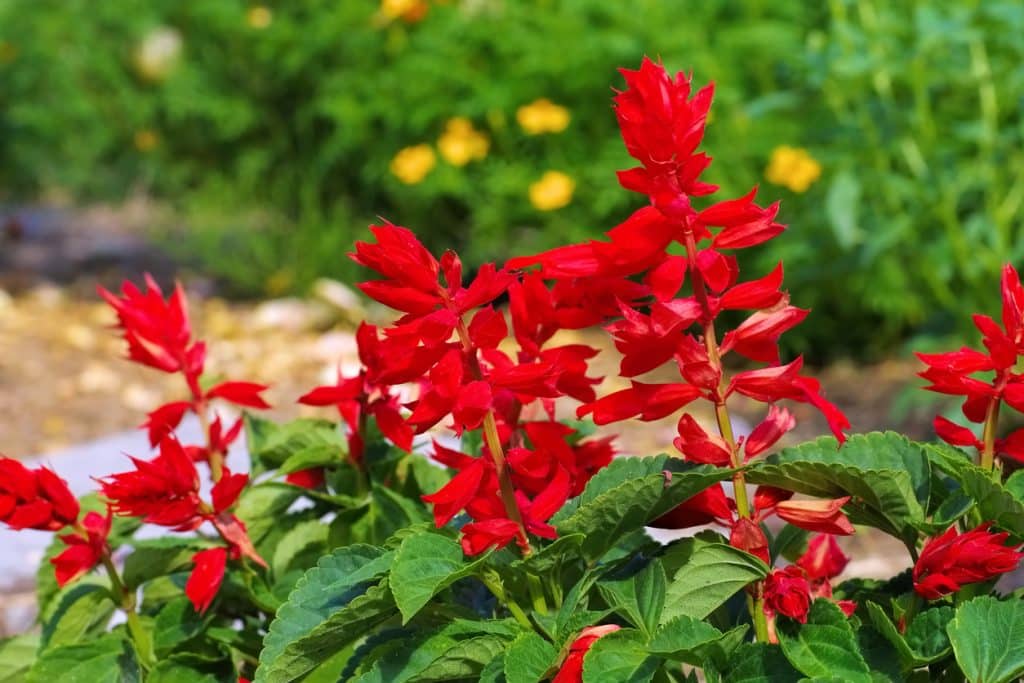
Long-lasting landscape color isn’t about one big moment—it’s about sustained performance. Perennials provide extended bloom periods and dependable foliage color that carry landscapes through spring and beyond.
Instead of fading weeks after installation, these plants:
- Continue performing as temperatures rise
- Maintain structure after flowering
- Support year-round landscape stability
This creates a more mature, established look across the community.
Layering for Visual Depth
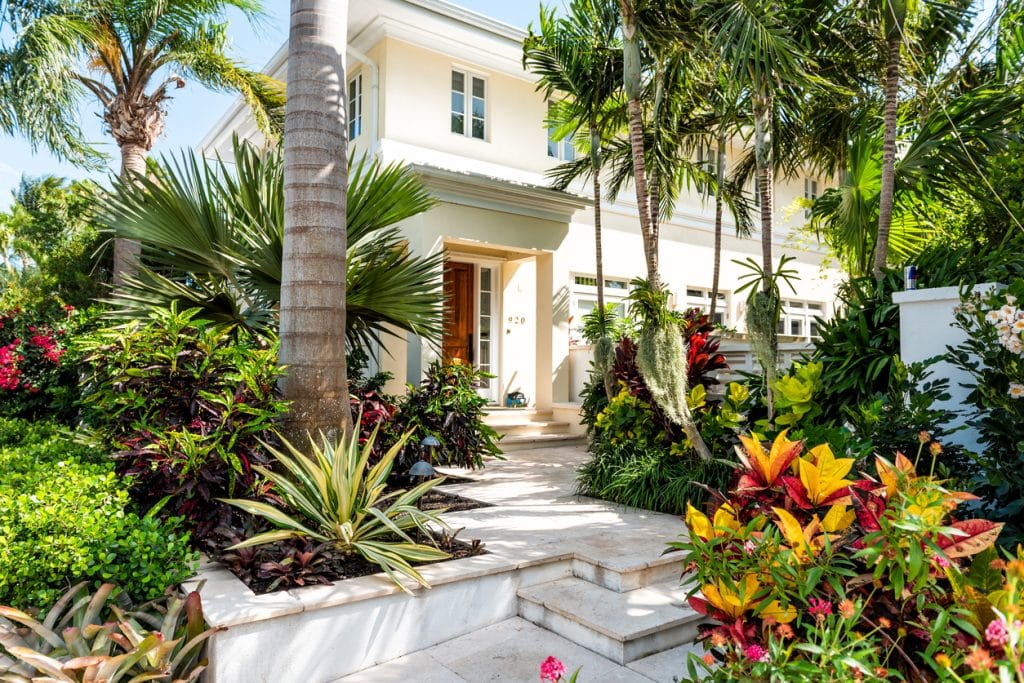
Effective spring color relies on layering. Combining turf, shrubs, perennials, and trees creates depth and visual interest without overcrowding beds.
Layered planting designs:
- Improve curb appeal
- Reduce visual gaps
- Keep landscapes looking intentional as plants mature
Low-Maintenance Flower Beds That Still Impress
Less Replacement, Better Results
Low-maintenance flower beds focus on plants that return year after year, reducing the need for constant changeouts. This is especially valuable for HOAs managing large properties.
Key characteristics of low-maintenance beds include:
- Repeating plant material
- Defined edges and clean lines
- Predictable growth patterns
These beds stay attractive with routine care rather than constant renovation.
Maintenance That Supports Appearance
Even low-maintenance beds require professional upkeep. Proper pruning, spacing, and monitoring ensure perennials remain tidy and HOA-compliant.
Consistent care prevents:
- Overgrowth
- Decline in appearance
- Uneven performance across beds
Rethinking Commercial Seasonal Color for HOAs
Strategic Use Instead of Overuse
While commercial seasonal color has its place, many HOAs benefit from using it more selectively. Perennials and natives provide the foundation, while limited seasonal accents enhance key areas without overwhelming the maintenance plan.
This approach:
- Reduces labor demands
- Improves budget predictability
- Maintains strong spring presence
Seasonal color becomes a complement—not a crutch.
Strong First Impressions Without Constant Turnover
Entry features and high-visibility areas still matter. Using long-performing plants in these locations ensures they look good longer, even as spring transitions into warmer months.
Pollinator-Friendly Plant Choices With HOA Appeal
Supporting Pollinators the Right Way
Pollinator-friendly plant choices don’t have to look informal or unmanaged. Many native perennials support pollinators while maintaining a clean, structured appearance.
Benefits include:
- Added ecological value
- Enhanced flowering performance
- Increased landscape vitality
When integrated thoughtfully, pollinator-friendly plants fit seamlessly into HOA landscapes.
Structure Keeps Everyone Comfortable
HOA boards and residents often worry about landscapes appearing “wild.” Defined beds, consistent spacing, and routine maintenance eliminate that concern.
Pollinator-friendly landscapes can still be:
- Neat
- Organized
- Visually consistent
Designing for Spring Impact That Lasts
Planning Beyond the Bloom
True spring impact considers what happens after flowering. Perennials offer attractive foliage and structure even when blooms subside, keeping landscapes visually appealing well into summer.
This continuity:
- Prevents bare or tired-looking beds
- Supports consistent curb appeal
- Reduces the need for mid-season intervention
Aligning Color With Overall Landscape Design
Spring color should enhance—not compete with—the overall landscape. Successful designs align color choices with turf areas, trees, and shrubs to create a unified look.
Professional planning ensures:
- Balanced color distribution
- Clear visual flow
- Long-term performance
Why Professional Selection and Installation Matter
Not All Perennials Perform the Same
Even within native and perennial categories, performance varies. Plant selection must account for sun exposure, soil conditions, and irrigation patterns.
At Estate Landscaping, we evaluate:
- Site-specific conditions
- HOA design standards
- Long-term maintenance goals
This ensures spring color choices deliver consistent results—not surprises.
Avoiding Overcrowding and Decline
Improper spacing can cause even the best plants to fail. Professional installation allows perennials to mature properly, reducing future maintenance challenges.
Long-Term Value for HOA Communities
Better Budgets, Better Landscapes
Using native perennials and long-lasting color strategies helps HOAs:
- Reduce replacement costs
- Improve landscape consistency
- Simplify long-term planning
These benefits compound over time, strengthening both appearance and financial stability.
Residents Notice Consistency
Residents may not notice individual plant choices—but they always notice when landscapes look consistently healthy and vibrant. Long-lasting spring color builds trust and pride within the community.
Let’s Create Spring Color That Lasts
If your HOA wants stronger spring impact without higher maintenance demands, it may be time to rethink how color is used. Native perennials and long-term planting strategies deliver beauty that lasts well beyond the season.
📞 Call Estate Landscaping at 239-498-1187 or connect with us through our Contact Us page to design spring landscapes that stay colorful, consistent, and HOA-friendly year after year.
Receive a Free Consultation!
Related Posts

Mastering Seasonal Flower Rotation: Enhancing Aesthetics in HOAs and Commercial Properties
Seasonal flower rotation plays a crucial role in elevating the visual appeal of various settings, including homeowners’ associations (HOAs), commercial spaces, community areas, and notably, senior living facilities. Estate Landscaping specializes in the thoughtful selection and cultivation of seasonal plants, enabling these environments to showcase landscapes that beautifully transition with the seasons. This approach enriches […]

Why a Year-Round Maintenance Plan is Essential for Your Landscape
A stunning, well-maintained landscape can do wonders for both residential and commercial properties. Whether it’s a homeowner’s association (HOA) community or a private residence, a vibrant, healthy landscape adds curb appeal, reinforces a welcoming image, and boosts property value. In Southwest Florida’s warm climate, where landscapes grow vigorously year-round, consistent maintenance isn’t just beneficial—it’s essential. […]
Cooling the Community: Shade Strategies for Hot Florida Properties
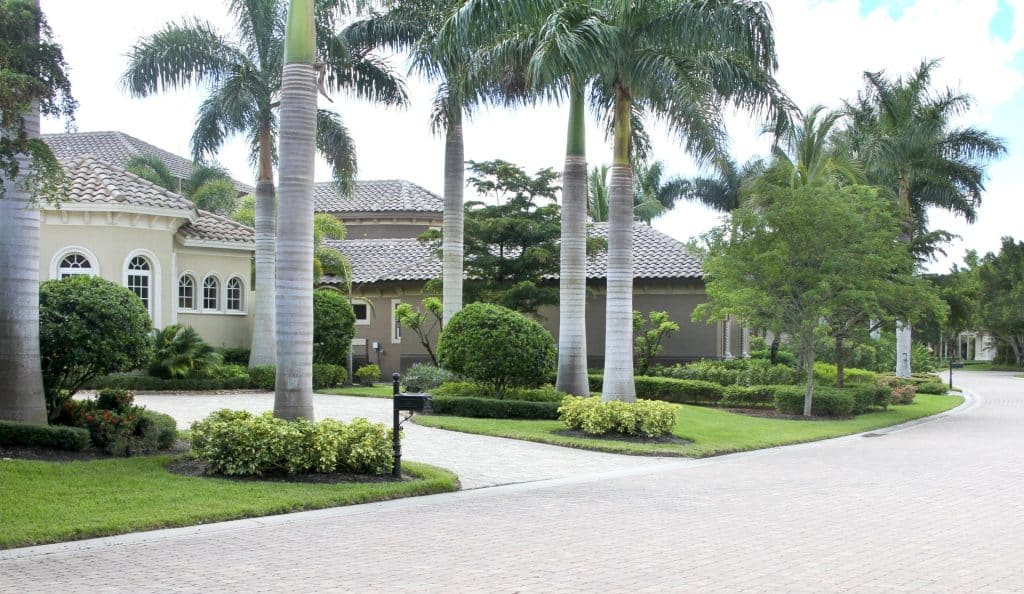
Florida heat is more than just a seasonal inconvenience—it directly impacts how residents experience their community. During warmer months, unshaded landscapes can feel uninviting, limit outdoor use, and increase stress on turf and plant material. For HOA communities, the challenge is creating outdoor spaces that remain comfortable and usable without overcomplicating maintenance or design standards. […]
