
How to Identify and Treat Common Lawn Diseases
How to Identify and Treat Common Lawn DiseasesMaintaining a healthy lawn is a priority for any homeowner, but sometimes, despite our best efforts, diseases can take hold and compromise the lush, green appearance we strive for. Identifying and treating common lawn diseases promptly can prevent widespread damage and restore your grass to its former glory. In this guide, we’ll discuss how to recognize and manage various lawn diseases to keep your turf healthy and vibrant.
Identifying Common Lawn Diseases
Understanding the symptoms and causes of common lawn diseases is the first step in effective treatment. Here are some prevalent lawn diseases to watch for:
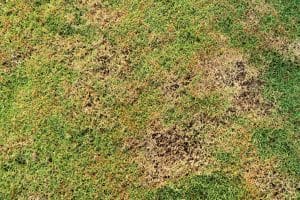
Brown Patch
Symptoms: Brown patch appears as circular, brown, and thinning patches in the lawn, often with a smoky ring at the perimeter.
Causes: This disease is caused by the fungus Rhizoctonia solani and is prevalent in warm, humid conditions. Overwatering and excessive nitrogen fertilization can exacerbate the problem.
Dollar Spot
Symptoms: Dollar spot is characterized by small, silver-dollar-sized patches of bleached grass. The spots may merge into larger areas if left untreated.
Causes: This disease is caused by the fungus Sclerotinia homoeocarpa and thrives in dry soil with high humidity. Under-fertilized lawns are more susceptible to dollar spot.
Red Thread
Symptoms: Red thread presents as reddish or pinkish threads on the grass blades, often accompanied by brown patches of dying grass.
Causes: The fungus Laetisaria fuciformis causes red thread, which thrives in cool, damp conditions. Poor soil fertility and inadequate nitrogen levels can increase the risk.
Powdery Mildew
Symptoms: Powdery mildew appears as white or gray powdery growth on the grass blades. It can cause the grass to yellow and weaken over time.
Causes: This disease is caused by various species of fungi and typically occurs in shady, humid areas with poor air circulation.
Pythium Blight
Symptoms: Pythium blight appears as greasy, water-soaked spots on the grass that quickly turn brown and die. It often follows patterns of water flow on the lawn.
Causes: Caused by Pythium fungi, this disease thrives in hot, humid weather and is often exacerbated by overwatering and poor drainage.
Treating Lawn Diseases
Effective treatment of lawn diseases involves both immediate actions and long-term cultural practices to prevent recurrence. Here are some strategies for treating and managing common lawn diseases:
Proper Watering Practices
Overwatering and underwatering can both contribute to lawn diseases. Water your lawn deeply but infrequently, ensuring that the soil is moist to a depth of 6-8 inches. Early morning watering is ideal to reduce the risk of fungal growth.

Appropriate Fertilization
Maintaining balanced soil fertility is crucial for disease prevention. Avoid over-fertilizing with nitrogen, which can promote excessive growth and vulnerability to diseases like brown patch. Use a slow-release fertilizer and conduct soil tests to determine nutrient needs.
Mowing Techniques
Regular mowing at the correct height helps prevent lawn diseases. Keep your mower blades sharp and avoid cutting more than one-third of the grass height at a time. Removing no more than the top third of the grass blade reduces stress and disease susceptibility.
Aeration and Thatch Management
Aerating your lawn helps improve soil drainage and root growth, reducing the risk of diseases caused by poor water movement. Managing thatch, a layer of organic matter between the grass blades and soil, is also crucial. Thatch thicker than 0.5 inches can harbor pathogens and impede water infiltration.
Fungicide Applications
In severe cases, fungicides may be necessary to control lawn diseases. Choose a fungicide labeled for the specific disease you are dealing with and follow the manufacturer’s instructions carefully. Preventive applications may be warranted in conditions conducive to disease development.
Enhancing Air Circulation and Sunlight
Improve air circulation and sunlight exposure by trimming back overhanging trees and shrubs. This can help reduce the humidity levels that favor fungal growth.

Partner with Estate Landscaping for Expert Lawn Care
Dealing with lawn diseases can be challenging, but with the right approach and professional help, you can restore your lawn’s health and beauty. At Estate Landscaping, we specialize in diagnosing and treating lawn diseases, providing tailored solutions to keep your turf in top condition. If you’re struggling with lawn diseases or want to enhance your lawn care regimen, give us a call at 239-498-1187 or visit our Contact Us page. Let’s work together to achieve a healthy, disease-free lawn you’ll be proud of!
Receive a Free Consultation!
Related Posts
Fertilizer Blackout Season Is Here—Here’s How We Keep Your Landscape Thriving
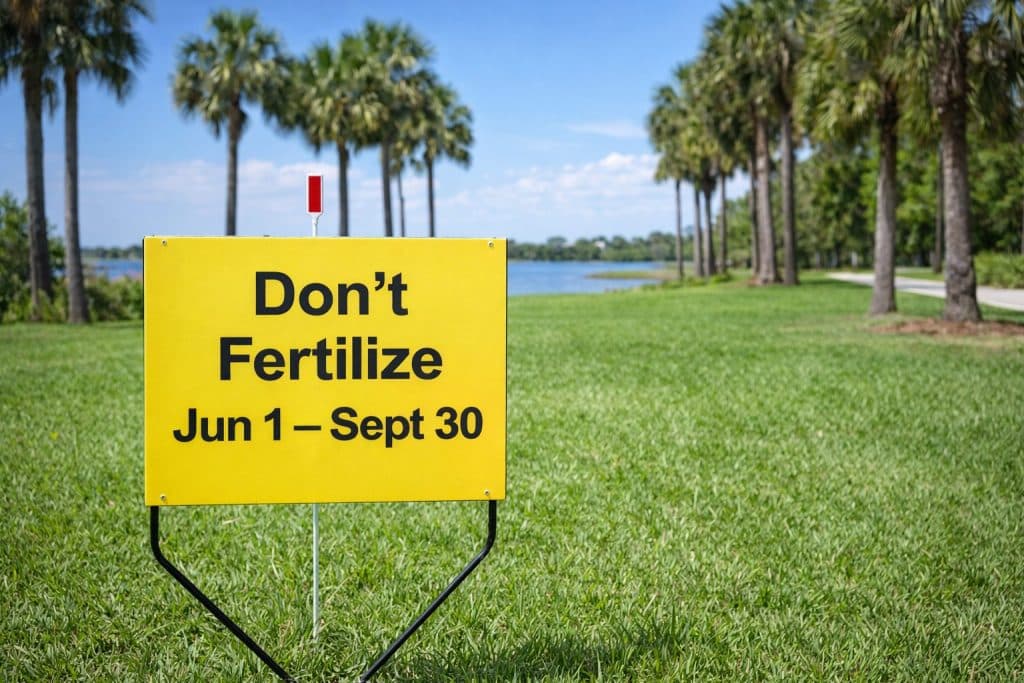
In Lee County, the fertilizer blackout from June 1 through September 30 is essential for protecting our waterways during the rainy season. While nitrogen and phosphorus restrictions help prevent harmful runoff, they can make maintaining a lush landscape more challenging. At Estate Landscaping, we take a proactive approach to keep HOA and residential communities looking […]
Protecting Ponds and Shorelines: Erosion Control Strategies That Work
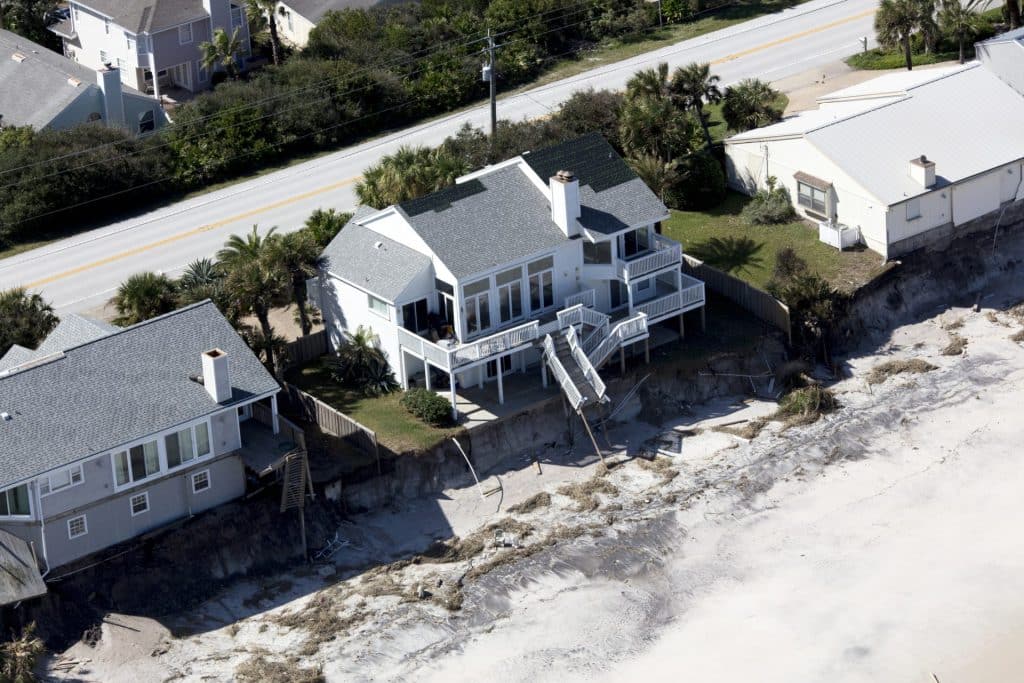
Ponds and lakes are some of the most visible and valuable features in Florida HOA communities. They enhance property value, improve stormwater management, and create a sense of openness across the landscape. But without proper planning and maintenance, shorelines can quickly become unstable, unsightly, and costly to repair. At Estate Landscaping, we understand that protecting […]

STOP: Signs of Over Mulching Your Property
When it comes to mulching, the expression “too much of a good thing” applies. While mulch can be incredibly beneficial for your plant beds, if you apply too much, it can have harmful repercussions. We find that a lot of people are surprised to learn that over mulching is even possible. That’s why we’ve rounded […]
