
Shrub Pruning: 3 Things That Can Save Your Plants.
Proper and timely pruning will provide a return on investment by enhancing the curb appeal of your landscape and expanding the life of your plants. On the other hand, improper pruning may result in a less than desirable appearance, shorten the life of your plants and result in costly plant replacements.
Avoid shearing large leafed plants
To achieve a more formal vs. natural appearance to your landscaping, the use of gas or electric shears can be used to precisely shape your hedges. However, there are some plants where mechanical pruning should not be employed. These plants are typically larger leafed plants and include Awabuke Vibernum, Sea Grape, Arbicola, and Hibiscus. Mechanical pruning of these varieties of plants will tear the leaves causing brown edges where the leave was torn and will stunt new growth of the plant. The top right picture shows torn leaves on a sea grape hedge that has been mechanically pruned.
Perform “Rejuve” pruning in the Spring
In the Spring when the weather warms up and plants begin to grow more rapidly, Estate performs “Rejuve” pruning. Other companies may call this a “hard cut-back.” Estate does not indiscriminately hard-cut ornamentals and shrubs and hope that they will grow in fuller during the Summer months. Our “Rejuve” pruning is done using Hand Pruners and cutting plants at a slight angle on the stem between nodes preferably at least 1’’ above the bottom node and at least 1’’ below the top node. Nodes are points on the plant’s stem where a branch or bud forms. This intermodal technique encourages new growth and results in fuller, healthier shrubs. We use “Rejuve” pruning to cut back any plant material that has been damaged by a hard freeze over the Winter. Dead, freeze damaged branches are cut back to let new growth fill in.
Avoid thinning out the bottom of hedges
When pruning with gas or electric shears to create a more formal look (on plant species that can be pruned mechanically), a technique called beveling must be used. Beveling is where you bevel the top edges allowing the sides of the hedge to protrude at a slight angle. This prevents the top of the hedge from blocking sunlight to the bottom of the hedge resulting in thinning at the bottom. There is an art to pruning and like any other skill, requires technical knowledge and training. The kind an established firm like Estate provides. The idea that anyone with a chain saw or a lopper can be a landscape professional is far from the truth. As evidence of this, more trees are killed each year due to improper pruning than die from pests.
There is an art to pruning and like any other skill, requires technical knowledge and training. The kind an established firm like Estate provides. The idea that anyone with a chain saw or a lopper can be a landscape professional is far from the truth. As evidence of this, more trees are killed each year due to improper pruning than die from pests.
Trust your landscape to trained horticulture professionals and talk to your Estate Account Manager about our programs for Shrub Management and Pruning.
Receive a Free Consultation!
Related Posts

WEEDS: Early Detection and Prevention Make All The Difference
Weeds are not attractive in turf and they are costly to fix. Early detection and proactive management to remediate and prevent future Infiltrations are sound landscape procedures. The first step is to recognize the infiltration in its early stages. And if you are working with the right landscape contractor they should be doing this for […]
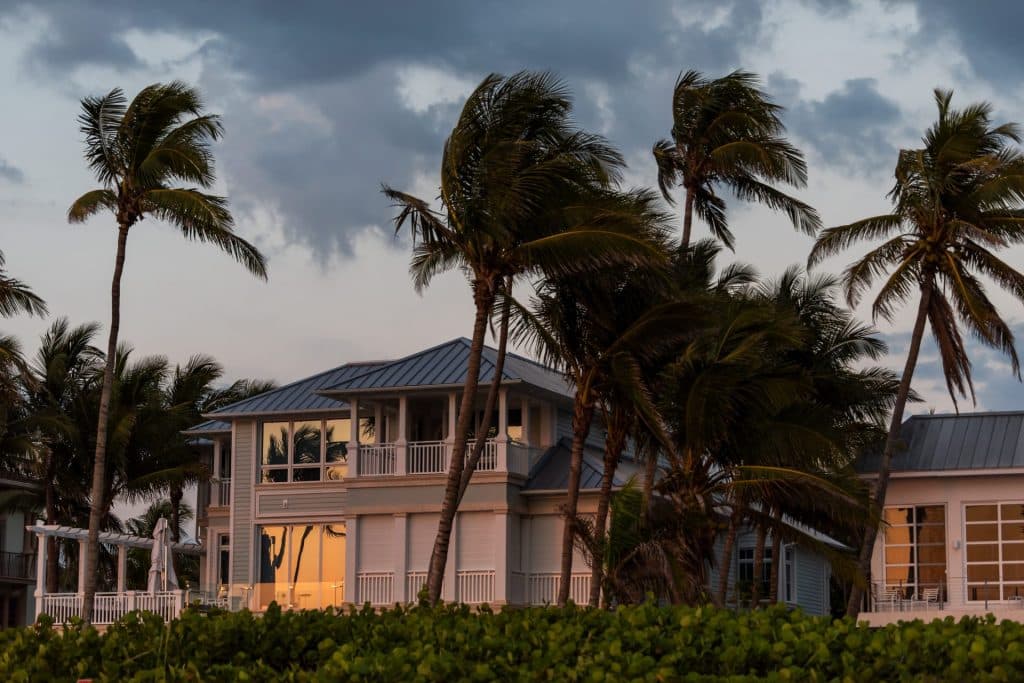
Planning for the “After”: Building Post-Storm Recovery into Your Landscape Design
In Florida, storm preparation is part of responsible property management. But while many communities focus on bracing for impact, fewer plan for what happens next. The days and weeks following a major storm often determine how quickly a property returns to normal—and how much long-term damage is avoided. At Estate Landscaping, we believe smart design […]
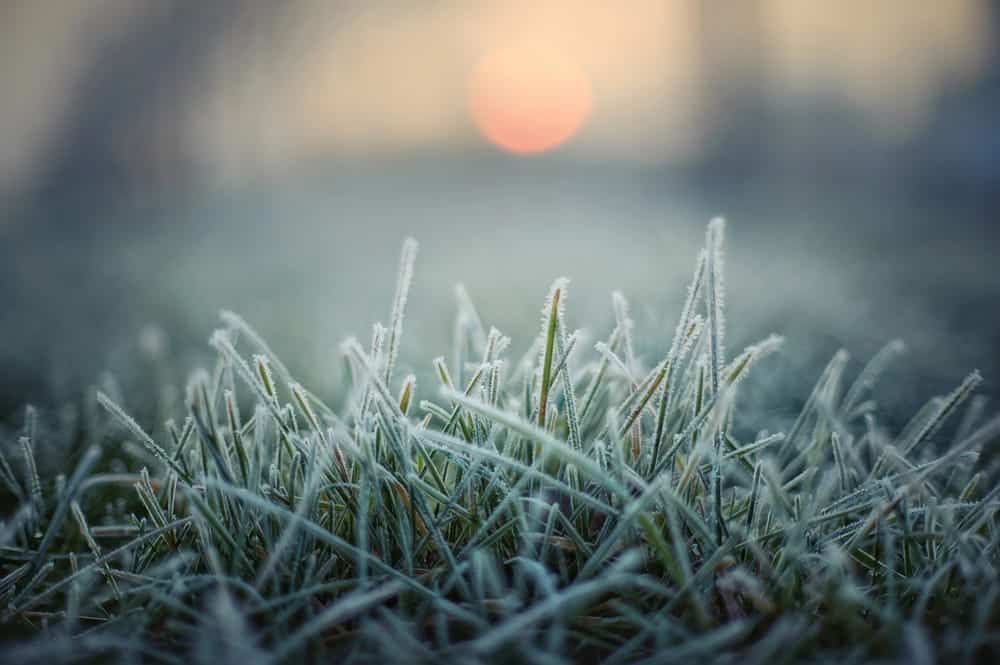
Feeding for Growth: Benefits of Winter Fertilization
In much of the country, winter means dormant lawns and barren gardens. But here in Southwest Florida, landscapes remain active and continue to grow, even during the cooler months. While growth slows compared to the summer season, lawns and ornamentals still need proper nutrition to stay strong, vibrant, and resilient. That’s where winter fertilization comes […]
