
4 Tips To Revive Your Cold Damage Plants
Everyone loves Florida. Maybe not for the “Florida man…” stories or the Tom Brady led Buccaneers, but definitely for the weather. The climate in Florida is superior, and especially in South Florida, we enjoy warm temperatures year-round. However, we are not immune from rare frost or freeze, and this can be problematic for your plants that are so accustomed to tropical temperatures. This cold damage can present itself in many different ways, including the wilting of leaves, blackened foliage, and burn spots. Loosened roots are another common symptom, and none of these are good for the long-term health of your plants. Our goal in this blog is to provide you with four tips on how to revive these potentially cold-damaged plants.
Tip #1: Wait and See
One of the biggest mistakes that landscapers make when it comes to their cold-damaged plants is acting too quickly. Oftentimes it takes a couple of weeks for the full extent of the damage to present itself, so the last thing you want to do is prune or trim too quickly. After you have given the plant time to potentially heal itself or wither further, then you can take action. Analysis from a professional might be helpful during this waiting period if you feel like the damage might be particularly bad.

The first thing you can do to immediately improve the conditions of the plant is to replace the conditions of the cold. One of the issues with a freeze or frost is that any moisture that would otherwise be feeding the plant is likely frozen, or so cold that it does damage. You should try and get water to the plant as quickly as possible, while also putting it in warmer conditions if possible. Any freeze here in Florida should pass quickly, but if the plant is in a container then just take it inside. This will begin the rehabilitation process. Remember, water conservatively so as to not overstimulate the plant too soon.
Tip #3: Prune Deeply Damaged Material
When it comes to the foliage and leaves of your plant that is deeply affected by the cold damage, you must remove them. This allows the plant to heal, and grow healthy material in its place. However, you need to make sure that this pruning is precise. Over-pruning can cause problems as the plant is stressed trying to stimulate so much new growth all at once. Take care to make sure that each piece of the plant pruned is truly dead. Scrape affected areas and make sure there is no healthy green material lying underneath a layer of decay.

Tip #4: Avoid Fertilization and Shock
For plants, a large part of their ability to recover has to do with preventing shock. It is your job to make sure that nothing significant happens to the plant that might shock the chemical processes occurring within the plant. This means no fertilization, as adding nutrients too quickly can shock the plant into growing too fast. The same can be said for changing conditions too quickly, such as taking a plant from sub-freezing temperatures to a sauna in just one day. Keep things consistent, and your plant will be okay.
For more information on how Estate Landscaping can take care of your landscaping needs, give us a call at (239) 498-1187, or send us an email at info@estatelandscaping.com.
Receive a Free Consultation!
Related Posts
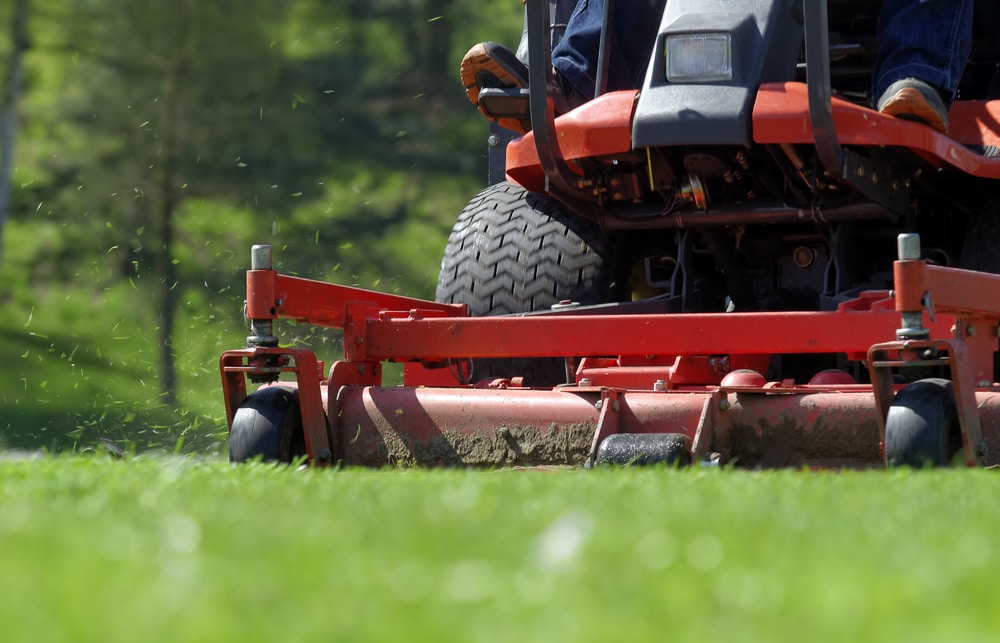
Lawn Care vs. Lawn Maintenance vs. Landscape Management
When you are choosing a lawn care and landscaping company, you want to understand exactly what you’re getting for your investment. Both regular lawn care and lawn maintenance tasks are required to help keep your property beautiful and thriving. But you might be wondering what these two service terms actually mean. While they often get […]

Protecting Plants from Cold Damage: Prevention and Treatment
As the temperatures begin to drop and winter approaches, it’s crucial to take measures to protect your precious plants from the potential harm of cold weather. Cold damage can wreak havoc on your landscape, causing wilting, browning, and even death of vulnerable plants. To ensure your plants stay healthy and resilient throughout the chilly months, […]

5 Easy Landscape Enhancements to Add Value to Your Property
As a full-service landscaping company, we not only offer every service a property may need, we service every type of property. This means that we work with both homeowners and commercial property managers. However, there are stark differences between the two. The goal of commercial landscaping is to assist the property in driving in revenue, […]
